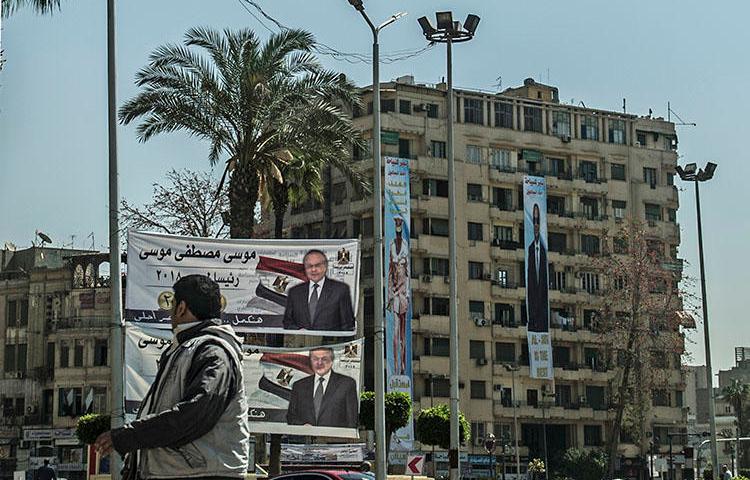
Censorship tightens in Egypt as el-Sisi prepares for re-election bid
Ahead of elections in Egypt later this month, in which President Abdel Fattah el-Sisi is seeking a second term, the authoritarian leader’s government has further clamped down on press freedom, issuing warnings to the media and arresting critical journalists on “false news” charges. Even satirical TV shows have not been spared, with AFP reporting how…

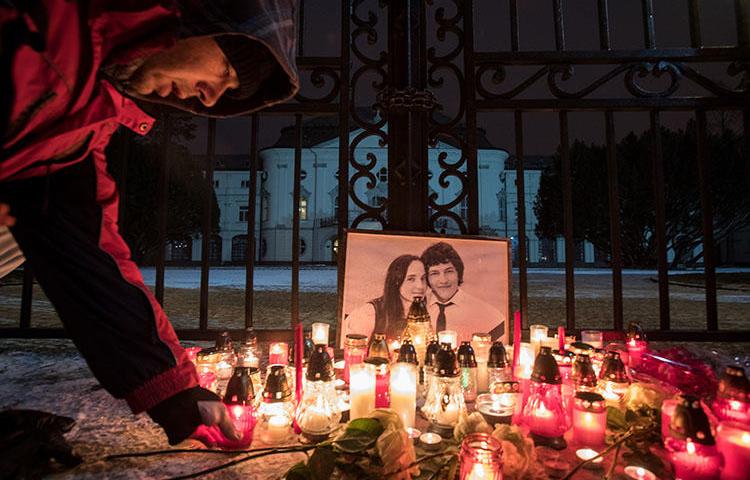
CPJ joins call for European Commission to fight impunity in journalist killings
In a joint letter today, addressed to President of the European Commission Jean-Claude Juncker, 17 international media freedom organizations, including the Committee to Protect Journalists, called on the Commission to ensure thorough, effective investigations into the murders of investigative journalists Ján Kuciak in Slovakia and Daphne Caruana Galizia in Malta.
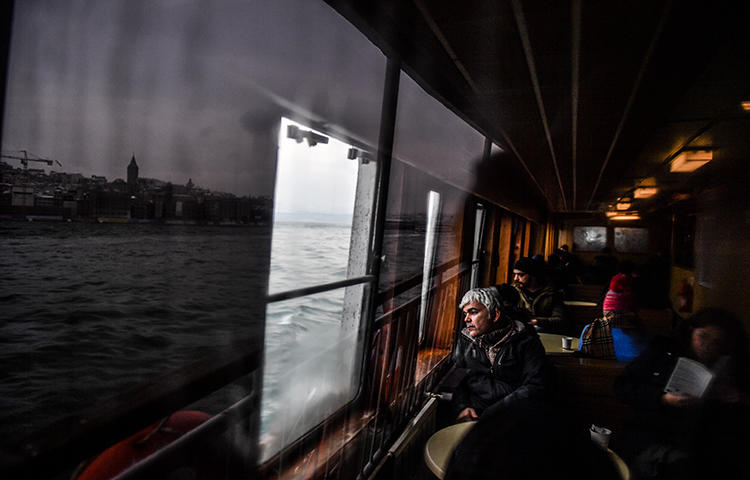
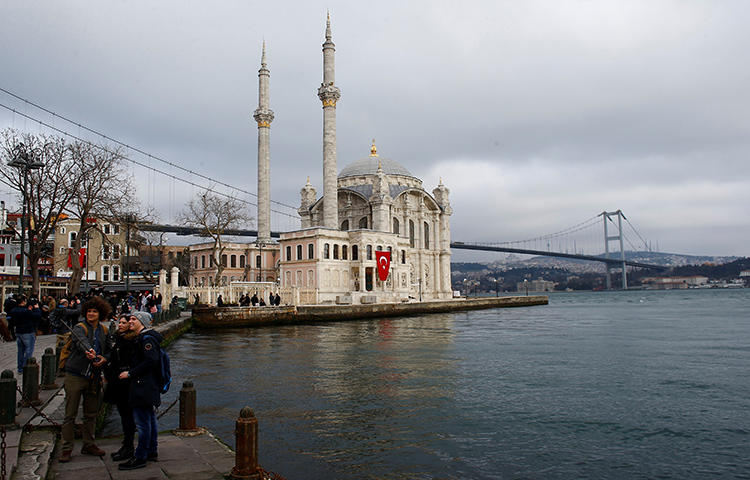
Turkey Crackdown Chronicle: Week of February 26, 2018
Journalists sentenced An Istanbul court on February 28 sentenced Ahmet Altan, the former chief editor for the shuttered daily Taraf, to five years and 11 months in prison for “insulting the [Turkish] president,” and “making propaganda for a [terrorist] organization,” the online newspaper Diken reported.
Turkey Crackdown Chronicle: Week of February 19, 2018
Journalists acquitted, released Turkish authorities on February 17 released from jail Deniz Yücel, Turkey correspondent for the German newspaper Die Welt, who had been imprisoned for a year pending investigation, according to Reuters. A Turkish court on the same day also indicted Yücel on charges of “propagandizing for a [terrorist] organization” and “provoking the people…

Tweaking a global source of news
The only way Abdalaziz Alhamza and his fellow citizen journalists could get out news from the Islamic State’s self-declared capital in Syria to a global audience was by posting materials on Facebook and YouTube. “They were the only way to spread news since many militias and governments prevented most, if not all, the independent media…

Changes to Jordan’s hate speech law could further stifle press freedom
Recently proposed amendments to Jordan’s 2015 cybercrime law, including a vague and broad definition of hate speech, will further stifle press freedom on the pretext of protecting the country’s citizens, and could result in further self-censorship, several Jordanian journalists told CPJ.
Dangers from inside the newsroom
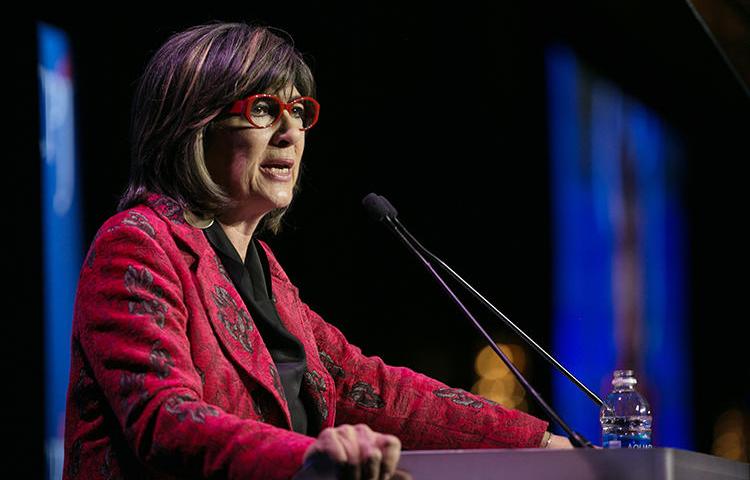
By Christiane Amanpour/chief international correspondent for CNN and CPJ senior advisor In November, I stood before top news media executives in the United States and called on them to stamp out sexual harassment in their organizations. “The floodgates are open,” I told the audience at the annual International Press Freedom Awards gala of the Committee…
The president’s phantom threats
During his tumultuous campaign, Donald Trump declared war on the press, pledging to “open up our libel laws” and impose fines on critical journalists if elected. Within a month of taking office, he vowed to go after leakers, comparing them to Nazis, and urged then-FBI director James Comey to jail reporters who published classified information.…