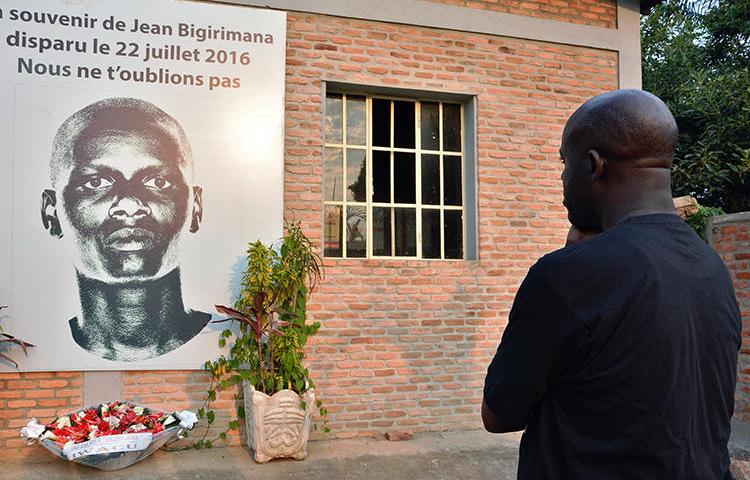
CPJ joins call for U.N. Human Rights Council to extend mandate of Burundi Commission of Inquiry
The Committee to Protect Journalists today joined 40 other civil society organizations in calling on member and observer states of the U.N. Human Rights Council to extend for a year the mandate of the Commission of Inquiry on Burundi.
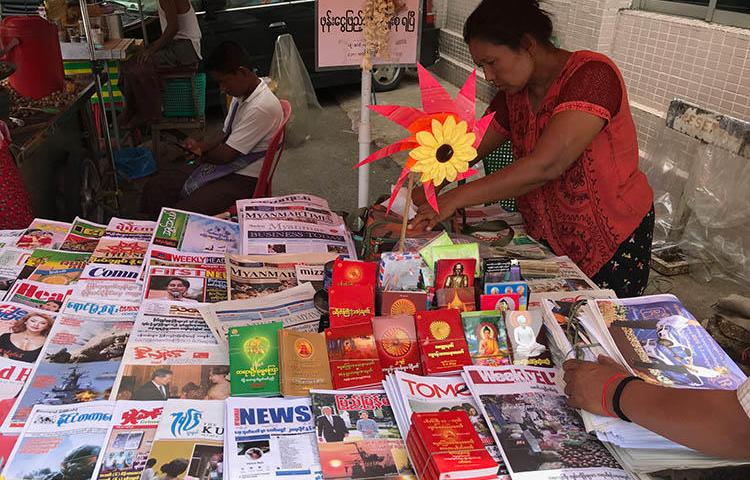
From conflict zones to courtrooms, Myanmar’s journalists are under fire
Hopes for greater press freedom when Myanmar moved to quasi-democratic rule were quickly quashed with the jailing in 2017 of two Reuters reporters. Wa Lone and Kyaw Soe Oo have their freedom again, but journalists and press freedom activists who met with CPJ’s Senior Southeast Asia Representative Shawn Crispin in Yangon in June said that…
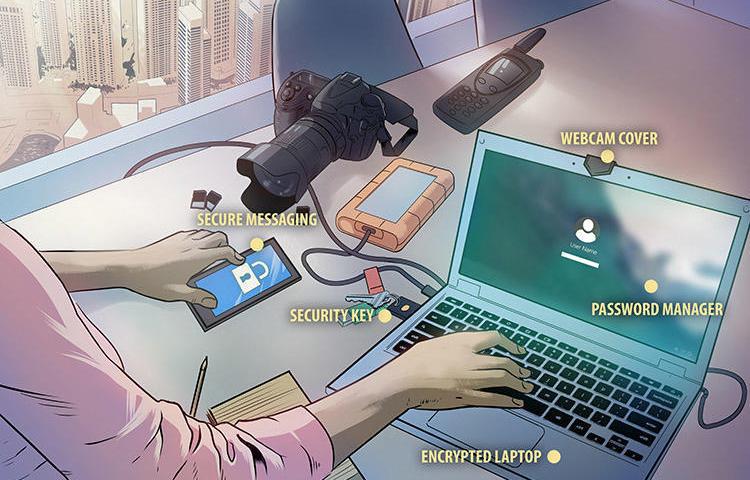
CPJ Launches Digital Safety Kit
The Committee to Protect Journalists has launched a new, updated Digital Safety Kit for journalists looking to better protect themselves, their sources, and their information. The kit, produced by CPJ’s Emergencies Response Team, combines six bite-sized safety notes on different topics in an accessible format that is easy to digest.

Kazakhstan’s move to control internet prompts censorship, surveillance concerns
A state-controlled internet service provider in Kazakhstan is requiring at least some of its subscribers to submit to having their internet traffic intercepted when they use specific websites–including social media sites, email and messaging services, and Google News, according to research published this week by Censored Planet, a project at the University of Michigan.
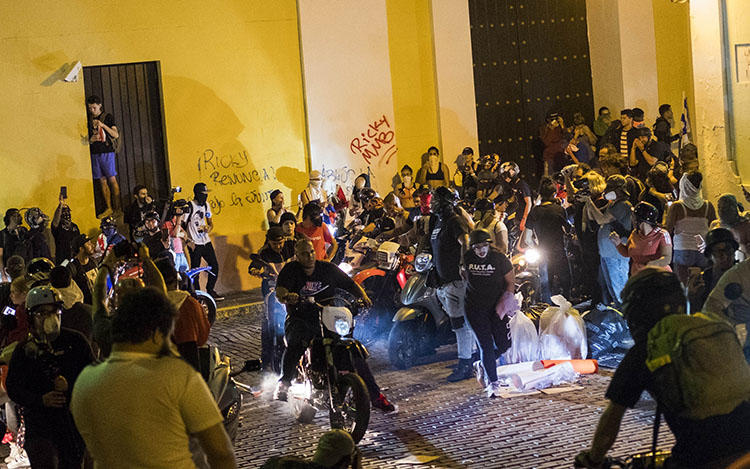
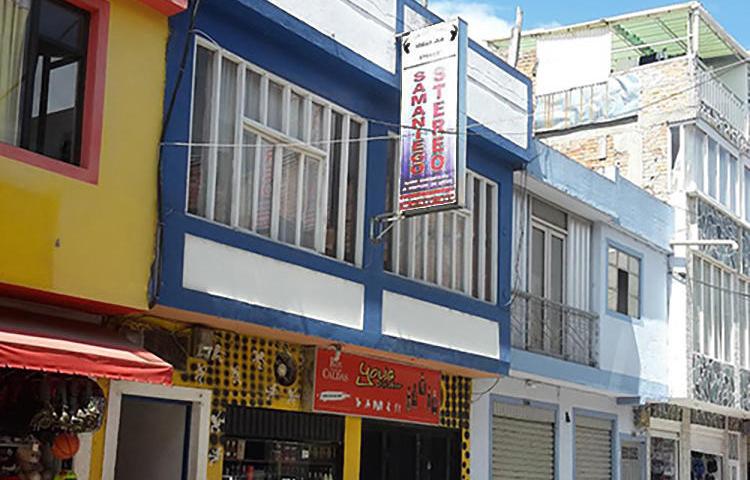
Killing of radio journalist highlights dangers for local reporters in Colombia’s border region
The otherwise Spartan studio of Samaniego Stereo is adorned by a white banner emblazoned with the image of Libardo Montenegro, a veteran reporter for the community radio station in southern Colombia who was shot dead on June 11. Under his photo are the words: “You will live in our hearts forever.”
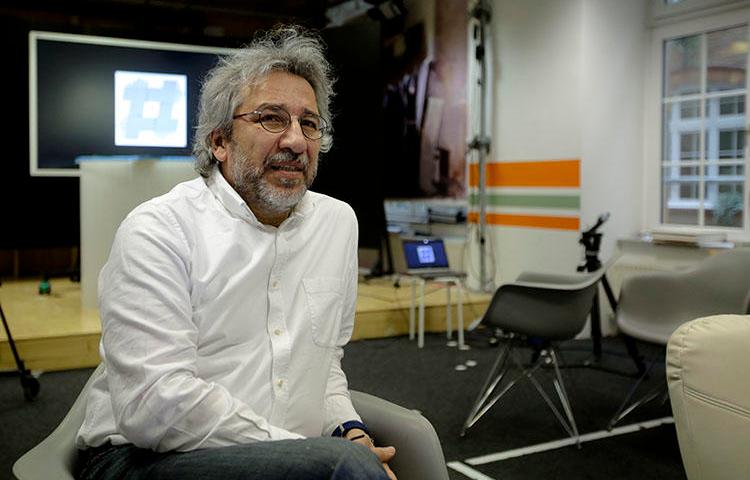
For Turkish journalists in Berlin exile, threats remain, but in different forms
For Can Dündar, sitting in the audience of a theater performance near Dortmund in Germany in May was an emotional moment. In an interview with CPJ, he recalled how during the premiere night, he watched the main actor on stage playing a journalist as he was imprisoned in Turkey, had his house searched, his books…
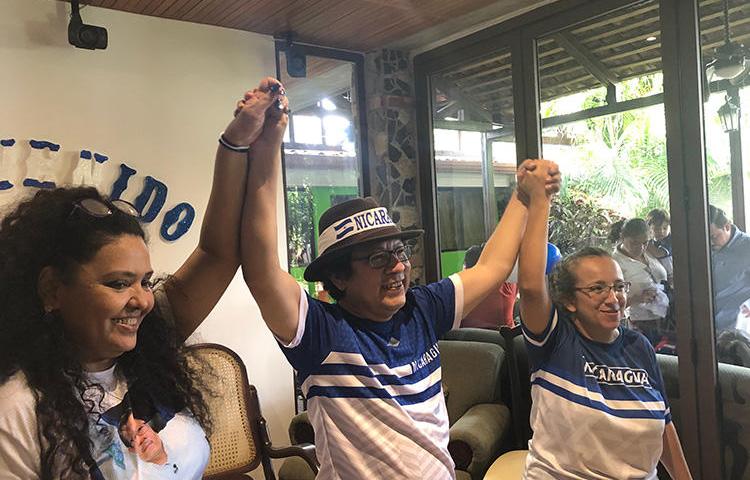
Locked in ‘small graves’: Nicaraguan journalists Mora and Pineda describe their ordeal
Miguel Mora and Lucía Pineda were arrested on December 21, 2018, in the Managua newsroom of 100% Noticias and spent 172 days in prison facing charges of “inciting violence and hate” and “promoting terrorism.” The two journalists spoke to CPJ after their June 11 release. They will receive CPJ’s 2019 International Press Freedom Award in…
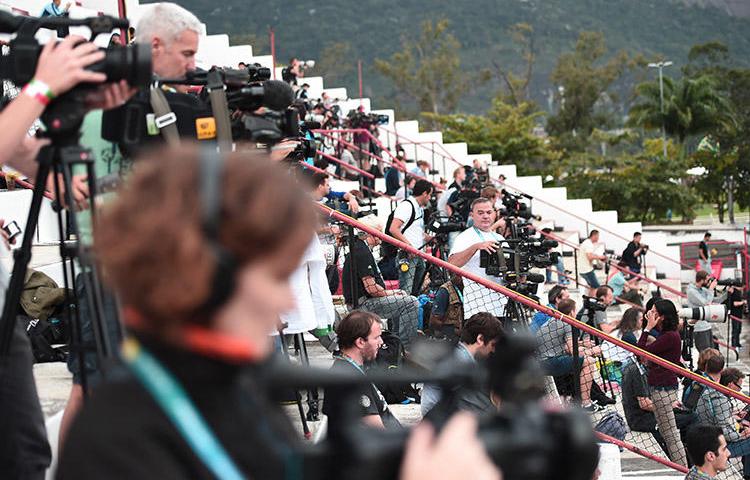
‘It should not be accepted as normal’: Female journalists on harassment, intimidation in the Netherlands
The Netherlands is generally considered to have a positive press freedom reputation, but when the independent Dutch Association of Journalists released the findings of its survey of over 350 female journalists in May, over half said they had been subjected to intimidation or violence in their work and around 70 percent said these threats were…

CPJ joins letter urging MTN Group to end participation in internet shutdowns in Sudan
The Committee to Protect Journalists yesterday joined 22 other organizations in signing a joint letter to executives at South African telecommunications company MTN Group, calling on them to end their roles in Sudan’s internet shutdowns.