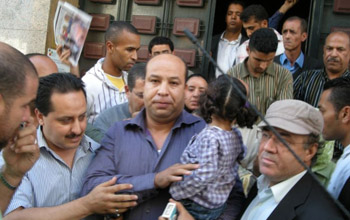
Morocco pardons journalist to create smokescreen
On Friday evening, after receiving an unexpected royal pardon, Driss Chahtan, the editor of the independent weekly Al-Michaal, was released from Oukacha Prison in Casablanca. However, his release is one of the few positive developments amid many alarming cases of worsening press conditions in Morocco.
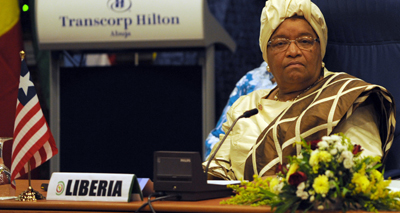
In Liberia, needy media strained to cover election campaign
Last week in steamy, rain-soaked Monrovia, anticipation for the World Cup aside, I could already sense the buzz building around presidential elections scheduled for October of 2011. In the coming contest—only the second presidential election since the end of the civil war—Liberians will decide whether to reelect Ellen Johnson Sirleaf, Africa’s first female head of state, for a second term. Just as…
Cano laureates say no to UNESCO Obiang prize
Each year, UNESCO honors a courageous international journalist with the UNESCO/Guillermo Cano World Press Freedom Prize, named in honor of the Colombian editor murdered in 1986 by the Medellín Cartel. The prize is chosen by an independent jury and over the years I’ve attended several moving ceremonies in which some of the most daring journalists…

The malware lockdown in Havana and Hanoi
General purpose computers give journalists an incredible amount of power to create, research, and publish their work away from those who may wish to interfere. But such independence requires that the computer itself remain free and uncompromised by software that works against the journalist’s own interests.
European Human Rights Court takes on press freedom
The European Court of Human Rights issued a historic sentence on June 1, when it ruled that Spain’s sentencing in a case between the now-deceased Moroccan king Hassan II and me, formerly the editor of the Madrid-based newspaper Diario 16, violated the rights of freedom of expression and of the press.
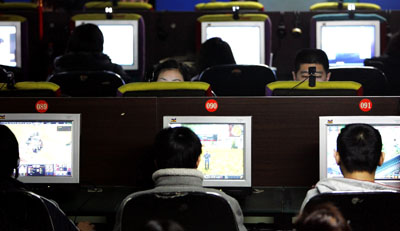
China’s future online policies look a lot like past plans
Monday, in a white paper released by China’s State Council called “The Internet in China,” the government made clear its Internet policies are not changing, stating the obvious: “Laws and regulations clearly prohibit the spread of information that contains content subverting state power, undermining national unity [or] infringing upon national honor and interests.” The State…
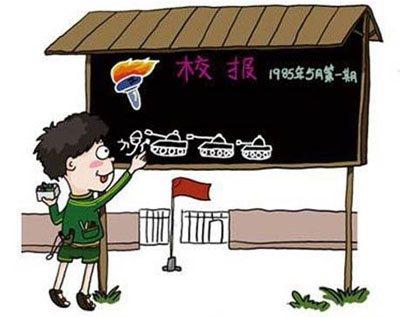
Tank cartoon erased before Tiananmen anniversary
Twenty-one years after the Tiananmen Square crackdown, China’s censors are still working to purge public discourse about the tragic events of June 4, 1989. But some Chinese Web users clearly have a healthy appetite for such a debate and are willing to circumvent the government censors.
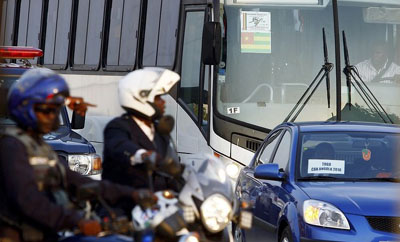
In Angola, censorship shrouds journalist’s killing
On January 8, while Angola was hosting the African Cup of Nations, the country made worldwide headlines after a deadly attack on the Togolese national soccer team, which left a coach and a journalist dead. With international attention turning to the story, a shroud of state censorship and self-censorship by the Angolan media obscured the…