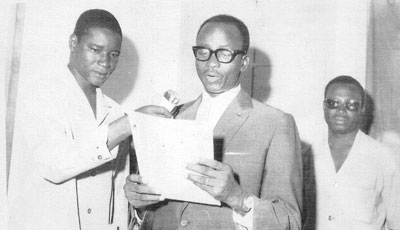
A springtime for Burkina Faso’s press
I will continue to relive for a long time August 5, 1960, the day Upper Volta, as Burkina Faso was then known, proclaimed independence from France! As a presenter of the newly founded national radio network, I was on the air, which was open to listeners all night. Some listeners, with tears of joy on…

Boukadous’ wife describes bribe attempt before arrest
Tunisian police arrested Fahem Boukadous, a widely respected critical journalist, on July 15. Before his arrest, Boukadous wrote an open letter from the hospital, where he was being treated for acute asthma. On the evening he was taken to Gafsa prison, his wife, Afaf Bennacer, wrote an article about what happened that has been circulated on multiple…
Morocco declares itself ‘democratic’ while restricting media
While high-ranking Arab officials are not held accountable for misinforming or misleading the public, critical journalists in their respective countries are increasingly dragged into courts and handed harsh jail sentences following unfair trials for “spreading false news.”
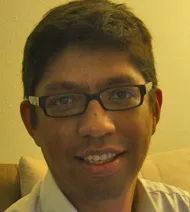
After 50 years, journalism at a crossroads in Madagascar
Madagascar recently celebrated its 50th Independence Day, a milestone for a Malagasy press that has been documenting through difficult periods the nation’s tumultuous journey of self-rule. The funny thing is that most of our written press is in French, as in most former French colonies, and we never really question why that is or find…
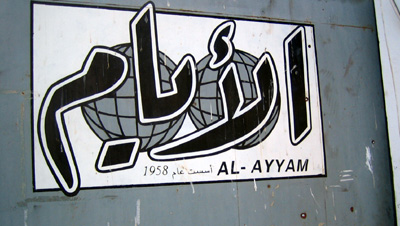
In Yemen, press freedom worst in 20 years
One opinion was relayed to me repeatedly by numerous journalists, lawyers, and human rights defenders during the week I just spent in Yemen: The crackdown against independent and opposition media in the country has not been this concerted at any time since the unification of the southern and northern halves of the country in 1990.

Niger’s news media: From ‘décor’ to dynamism
On August 3 1960, Niger’s Independence Day, I had no inkling that I would one day take up a career in journalism. I was only 11 years old then and my village was very far from the capital and any media outlet. It is only later, when I began attending high school in the capital…
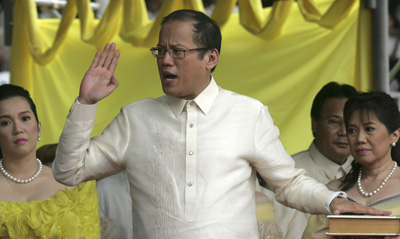
To combat Philippine impunity, Aquino needs new tactics
It’s too soon to expect a turnaround in the Philippines’ miserable record of attacks on journalists. President Benigno Aquino was sworn in just two weeks ago. The problem of unprosecuted journalist murders—the Philippines ranks third on CPJ’s Impunity Index—is embedded in a political culture of widespread violence and little law enforcement. That hasn’t changed, and…

In Guinea, media hopeful with democratic transition
Guinea’s historic presidential elections and new constitution are changing the media landscape in the West African country. Since last month, the military-led Transitional National Council has passed two new laws decriminalizing defamation and created a new media regulatory body.

Press fuels democracy in Cameroon, across continent
On January 1, 1960, during the proclamation of independence of the French speaking part of Cameroon, I was forced, with comrades from Leclerc high school in Yaoundé, to take part in the big parade organized by President Ahmadou Ahidjo. At that time, I would occasionally write articles for the school magazine, but also for Les…
Punjab Assembly condemns—then praises—media
Pakistan’s spirited press is once again caught up in arms over the latest and most absurd attempt to discredit its voice. On Sunday, various journalist organizations in Larkana, Sindh province, followed in the recent footsteps of their colleagues in Lahore, Islamabad, and Karachi and observed a “black day” of protest, according to Pakistan’s The News.