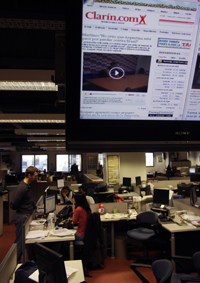
Argentine government feud with Clarín deepens
A grave accusation by the administration of President Cristina Fernández de Kirchner against Argentina’s two leading newspapers, Clarín and La Nación, has prompted claims that the government is attempting to control the press, and stirred up a heated debate on the state of freedom of expression in the country. The administration is alleging that the papers colluded with a…
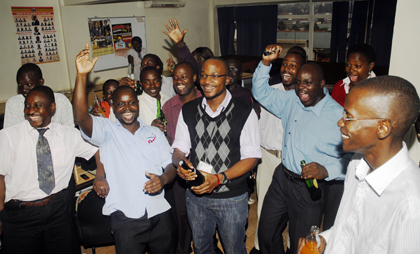
Ugandan media celebrates, fights on after sedition ruling
With surprise and relief, Ugandan journalists, who routinely face the police’s “media crimes” unit, welcomed a partial victory for press freedom on Wednesday. The country’s constitutional court had ruled that criminal sedition was unconstitutional. Even so, there was a consensus that more legal press battles lie ahead.
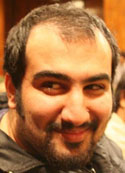
Jailed Iranian journalist Goudarzi receives NPC award
The National Press Club has announced the recipients of the 2010 John Aubuchon Freedom of the Press Award, which is given each year to individuals who have contributed to the cause of press freedom and open government. This year, the international recipient is Iranian blogger Kouhyar Goudarzi, who is being held in Tehran’s Evin Prison–notorious…
Video: Who is killing Honduran journalists?
With another journalist murdered in Honduras on Tuesday, bringing the total killed since March to eight, the country’s press is understandably jittery. In a new documentary jointly produced by the Inter-American Press Association and the Video Journalism Movement, Carlos Mauricio Flores, the executive director of Tegucigalpa-based El Heraldo newspaper says, “We journalists are living in uncertainty and fear.”
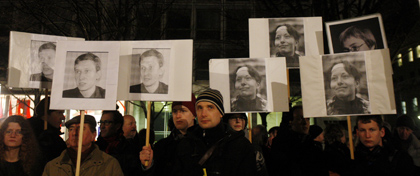
Trial upcoming for two suspects in Moscow double murder
In an encouraging ruling last week, the Basmanny District Court in Moscow ordered that two suspects in the January 2009 double murder of Novaya Gazeta reporter Anastasiya Baburova and human rights lawyer Stanislav Markelov be kept in custody pending trial.
Beat censorship by hiding secret messages in Flickr photos
Georgia Tech researchers have developed a tool called Collage that will allow Internet dissidents to insert hidden messages into Twitter posts and Flickr images in order to circumvent the censorship measures imposed by oppressive governments. The details of this technique (which you can find in Georgia Tech’s netops website) contain some detailed thinking about how…
Ian Bicking: a blog :: Surveillance, Security, Privacy, Politics
Occasionally, one stumbles on a piece that isn’t absolutely germane to the areas one covers, but makes you think. Ian Bicking (a well-known developer at Mozilla, the non-profit that makes the Firefox browser) explicitly says his ponderings about the nature of online security and privacy aren’t about China or other explicitly free-speech-unfriendly regimes, but it’s…
What’s new on the CPJ Blog
You may have noticed a few changes we’ve made to the CPJ Blog recently. Here’s what’s new (with much thanks to our Web developer, John Emerson): Our bylines are now clickable. You can see a staffer’s (or guest blogger’s) entries on one page by clicking, giving you an overview of blogs written by, say, Bob Dietz,…
Despite fatal shootout, Philippines officials meet with CPJ
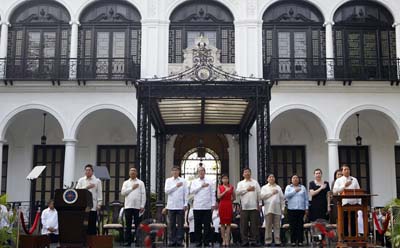
About 18 hours after eight hostages and the gunmen holding them in a tourist bus were killed in a shootout with police in the heart of Manila, officials broke away from the demands of the moment to meet with a CPJ delegation in the president’s offices at Malacañang Palace. Justice Secretary Leila de Lima was…
A lesson for South African media: Look to Kenya
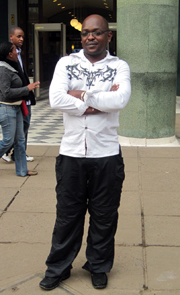
The chorus of voices opposing the South African government’s proposed Protection of Information Bill and state-backed ombudsman continue to grow. South Africa’s Business Day estimates the press produces three articles per day opposing what many journalists see as an attempt by the ruling party to muzzle investigative reporting. More than 30 editors from major papers published protest messages…