‘A Somali journalist’s life is short anyways’
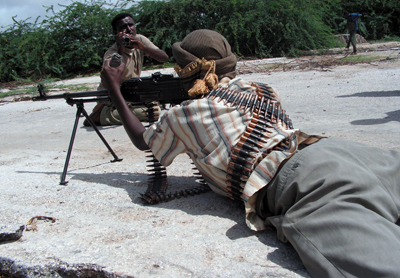
In August, Shabelle Media Network, one of Somalia’s leading independent broadcasters, did something incredibly brave–they rebroadcast news and music that the BBC’s Somali-language service beams to the war-torn Horn of African nation in defiance of a ban imposed by hard-line militant Islamist rebel groups Al-Shabaab and Hizbul Islam. For Somali journalists, who risk death by crossfire and assassination, and censorship from both…
Korea Times: Censorship on pro-NK websites tightens
The Korea Times documents the disturbing increase in censorship of writing about North Korea, with the police forcing website operators to remove 42,787 pro-North Korean comments. This may be due to an increase in North Korean government attempts to enter the online debate, but some point to the general anti-Net sentiment of the Lee administration.…
In Thailand, remembering Neil Davis, Bill Latch
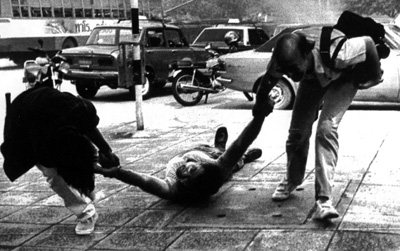
The Foreign Correspondents Club of Thailand (FCCT) hosted a memorial Thursday to mark the 25th anniversary of the deaths of NBC cameraman correspondent Neil Davis and soundman Bill Latch. The two journalists were killed by military fire on September 9, 1985, while covering a failed coup attempt in the Thai capital.
Murder, ‘suicide,’ crossfire: A week of journalist killings
Today we will report another murder of a journalist. This one was in Argentina. The last one we documented was a couple days ago–Alberto Graves Chakussanga was shot in the back in Angola. These tragedies are part of our daily work at CPJ, but this week was different. There have been eight killings of journalists…
European Court may fault Turkey in Dink murder case
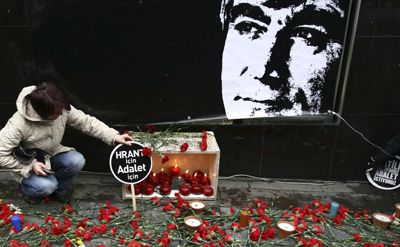
Turkish journalists are hoping a ruling next week by the European Court of Human Rights will bring justice for slain editor Hrant Dink at least one step closer. Prosecutors have dragged their feet in this case, which goes to the heart of the debate over Turkish identity.
The significance of Umar Cheema’s abduction
With all the problems in Pakistan–the flooding in the country that might be the worst ever; the increasingly devastating sectarian and separatist violence that has taken the lives of hundreds of Pakistanis and at least four journalists–focusing on what happened to Umar Cheema, a reporter for The News, might seem almost a sidebar story. But it’s not. It’s something much larger.
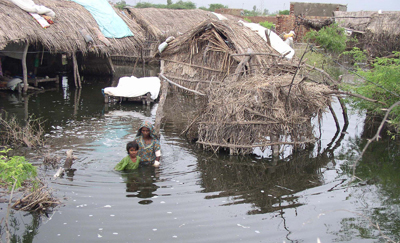
Pakistani union appeals for flood-affected journalists
The Pakistani Federal Union of Journalists (PFUJ) is appealing to the international community, media workers, and human rights organizations to support journalists affected by the worst flooding in Pakistan’s history. PFUJ has compiles a list of some 230 affected journalists, citing at least 213 who have had their homes washed away in the floodwaters, and journalist Asma…
More on RIM
Another piece on RIM by the Guardian, this time reporting that the UAE were after BlackBerry messaging info, because of its use in spreading gossip about high-profile Emiratis. These quotes (translated here) from Dubai’s police chief, Lt.-Gen. Dahi Khalfan Tamim, where he says the ban was also “meant to control false rumors and defamation of…
NYT: On the UK phone-hacking scandal
IN NOVEMBER 2005, three senior aides to Britain’s royal family noticed odd things happening on their mobile phones. Messages they had never listened to were somehow appearing in their mailboxes as if heard and saved. Equally peculiar were stories that began appearing about Prince William in one of the country’s biggest tabloids, News of the…
More on certificate authority proliferation
Cryptographer Bruce Schneier linked to my Slate piece on rogue certificate authorities (CAs), which could allow governments like the UAE to monitor even the supposedly secure communications of journalists and others. The smart comments include a link to this fascinating discussion at Mozilla that shows the procedures that browser-makers use when deciding which certificates to…