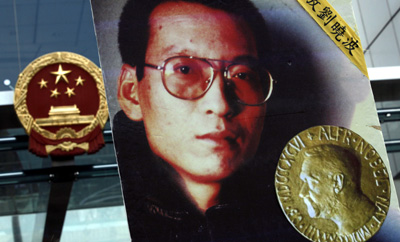
That Nobel invite? Mr. Malware sent it
This weekend, staff at CPJ received a personal invitation to attend the Oslo awards ceremony for Nobel Peace Prize winner Liu Xiaobo. The invite, curiously, was in the form of an Adobe PDF document. We didn’t accept. We didn’t even open the e-mail. We did, however, begin analyzing the document to see was really inside…
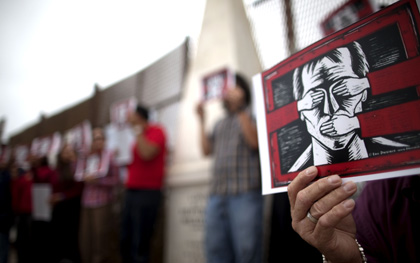
Program to protect reporters raises doubts in Mexico
The Mexican government is currently putting together a program, it says, that will help reduce one of the most brutal problems for journalists: their lack of protection from death threats from drug cartels, government officials, and ordinary criminals. Senior officials at the Ministry of Interior told CPJ that they expect to offer at-risk journalists a…

Help journalists in need: An appeal
Mikhail Beketov is lucky to be alive, although I’m sure there are days when he doesn’t think so. On November 13, 2008, the environmental reporter who campaigned against a highway that would have destroyed a forest in Khimki, a town outside Moscow, was beaten nearly to death by men with metal bars. The attackers made…
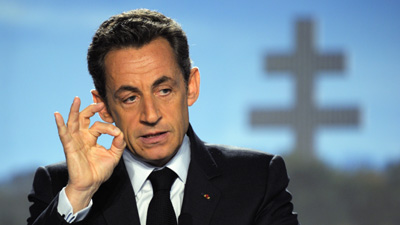
In France, is Sarkozy spying on journalists?
Every Wednesday morning in France, rain or shine, half a million people eagerly wait for the satirical weekly, Le Canard Enchainé. Some wait for it nervously. The old-fashioned broadsheet, a venerable media institution that has no real equivalent in other European countries, posts its motto defiantly on its front page: “Freedom of the press wears…
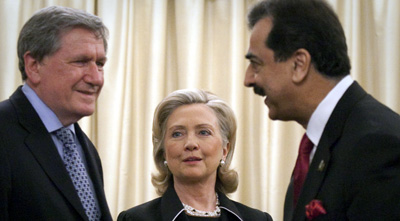
Lugar: Umar Cheema case a ‘bellwether’ for Pakistan
Sen. Richard Lugar, ranking member of the U.S. Senate Committee on Foreign Relations, wrote to Pakistani Prime Minster Yousuf Raza Gilani on September 22 to express concern about the brutal attack on Umar Cheema. The journalist was abducted on the weekend of September 4-5 by men in black commando-style uniforms, who beat and humiliated him. It’s…

Remembering Philippine prosecutor Leo Dacera
Leo Dacera, a senior state prosecutor and head of the witness protection program for the Philippine Department of Justice, died suddenly on November 4. Initial news reports said Dacera, 54, left, was the victim of an apparent heart attack. Dacera’s untimely death is a tremendous blow to all those seeking to end the culture of…

Internet Blotter
Turkey lifted its ban on YouTube and then re-asserted it within the same week. Digital technology is helping get news out of North Korea. Small digital cameras and tiny SD memory cards make it easier to smuggle images out. In China, meanwhile, Amazon’s Kindle 3G e-reader is reportedly being used to get the news in.…
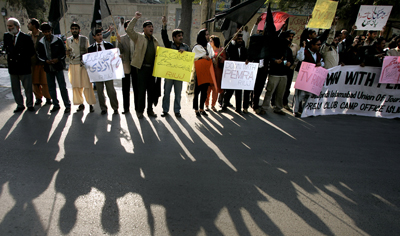
Remembering Pakistan’s bad old days of November 2007
November 3, 2007, was a dark day in the history of Pakistan’s media. Former military dictator General Pervez Musharraf banned all private news channels, and some entertainment and sports channels, through an “oral order.” He said he made the move to stop “irresponsible journalism.” Many of the staff in the president’s office who dealt with…