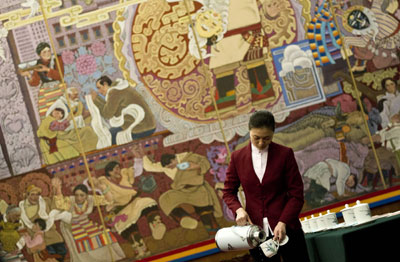
Journalists at work in China: Tibet and Beijing edition
China media analysts are looking to two significant events to shape coverage this month: The anniversary of a failed uprising in Tibet, and the annual meetings of China’s top political bodies, the National People’s Congress and the Chinese People’s Political Consultative Conference in Beijing. Journalists at work in both areas attracted coverage of their own…
Online news sites as battleground for Mexican drug war
I’m in Culiacán, the capital of the Mexican state of Sinaloa. Part of my work here has been to investigate and highlight the cyber-attacks that the award-winning weekly local newsmagazine Ríodoce has encountered in its coverage of the violent drugs war here. But discussing the experiences of online editors at other publications here has shown…
Egyptian journalists pressured by military, Islamists
For a few weeks after the overthrow of President Hosni Mubarak, it looked as if Egypt might do the unthinkable and do away with the ministry of information. New publications and TV stations sprouted up, newspaper circulation soared, and a new breed of citizen journalists and bloggers opened a space for reporting and comment that…
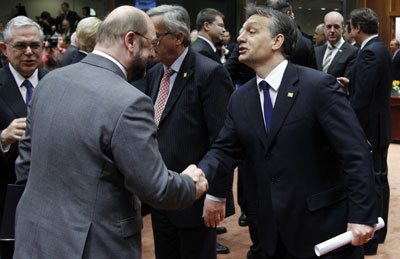
The global impact of EU media policies
The state of press freedom inside the European Union has a significant effect on press freedom outside the EU. That was the message that CPJ Senior European Adviser Jean-Paul Marthoz and I delivered this week when Brussels’ leading think tank, the European Policy Center (EPC), hosted us for a policy dialogue marking the launch of…
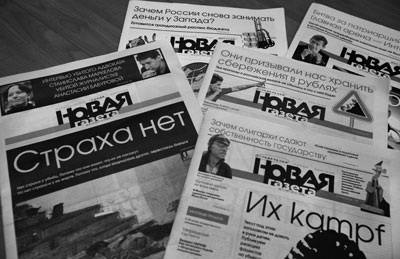
Ahead of elections, Russian media are duly warned
Russia’s leading independent media head into Sunday’s elections–in which Vladimir Putin is expected to be handed his third presidential term–burdened by a series of warnings. Over the past few months, beginning with the parliamentary elections held December 4, Kremlin allies have taken several steps designed to put news outlets on alert for uncensored coverage of…
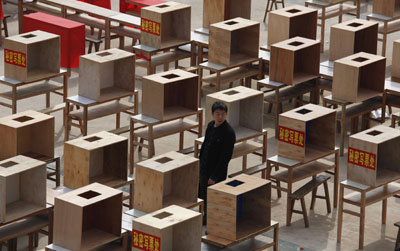
On board the election bus in China’s Wukan
Village elections taking place this weekend in southern Guangdong province’s Wukan illustrate the strengths and weaknesses of China’s media control. Censorship measures have not prevented strong domestic and international coverage of the democratic process. But has official tolerance of dissenting views increased since leaders cracked down on the attempted Jasmine revolution last year? Or is…
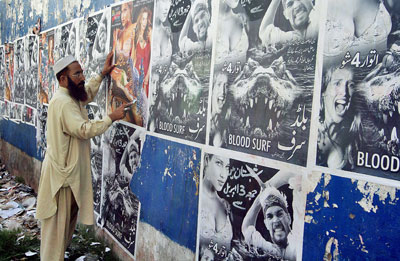
Pakistan’s excessive Internet censorship plans
Last month, Pakistan’s government put out requests for proposals for a massive, centralized, Internet censorship system. Explaining that “ISPs and backbone providers have expressed their inability to block millions of undesirable web sites using current manual blocking systems,” the state-run National Information Communications Technology Research and Development Fund said it therefore requires “a national URL…

‘Invisible Tibet’ blogger elicits China’s extra-judicial ire
Beijing-based blogger Woeser reported on her website Invisible Tibet today that she has been confined to her residence by Beijing public security officers who are stationed outside her home. Woeser, an outspoken critic of Chinese government policies in Tibet, has written about a series of recent self-immolations among monks and arrests of writers in western…
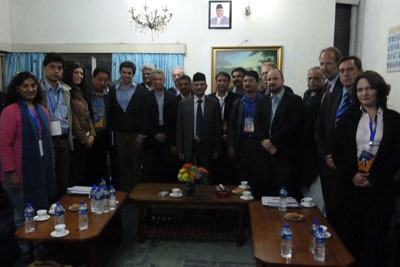
Two years after Nepal murder, no progress, mission finds
On the evening of March 1, 2010, Arun Singhaniya, owner of Janakpur Today newspaper and Janakpur Today Radio, stepped out of a prayer service during a holy celebration in Janakpur, Nepal’s second largest city. A gunman on a motorcycle shot and killed the news proprietor, making him the second person affiliated with the Janakpur Today…

Ethnic violence renews information clampdown in China
Two months into 2012, all-too-familiar stories are emerging from China’s troubled minority regions, Tibet and Xinjiang. Following riots against Chinese rule in 2008 and 2009, violence and its corollaries–increased security and censorship–have become commonplace. Independent bloggers and journalists who cover the unrest pay a high price: Over half the 27 journalists documented by CPJ in…