
In battle with Argentine president, a misstep by Clarín
The debut of the HD version of Grupo Clarín’s cable news station TN could not have come at a worse time for the Argentine media conglomerate. Conspicuously missing from Monday’s premiere was coverage of a new criminal complaint in which Clarín’s lawyers accused the government of President Cristina Fernández de Kirchner of inciting violence against the…
To fight impunity, cycle of fear, silence must be broken
Three years ago, on November 23, 2009, 30 journalists and two media workers were brutally killed in the southern Philippine city of Maguindanao while travelling in a convoy with the family and supporters of a local politician. To this day, not a single suspect has been convicted, though local authorities have identified close to 200.…

Awardees say indignation trumps intimidation
The battle for a free press sometimes feels like a war between indignation and intimidation. Journalists learn of abuses of power, crime, or corruption, and–indignant–they speak out. In response, the perpetrators of those abuses–be they government officials or criminals–try to intimidate the journalists into silence with threats, lawsuits, jail, or even murder. Last night, the…
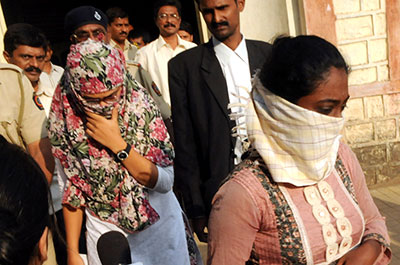

Turkey, jailer of journalists, hedges bets on democracy
More reporters are jailed in Turkey than in any other country in the world. According to CPJ’s recent survey, at least 61 are imprisoned directly for their work, representing the second biggest media crackdown in the 27 years we have been documenting such records. (Only Turkey itself has rivaled the extent of this crackdown, when…
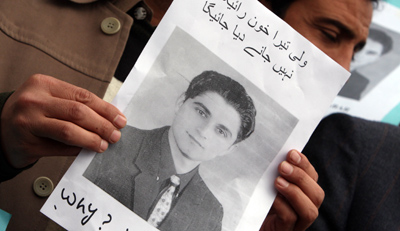
In Karachi, a trail of death and impunity in Babar case
Haider Ali, an eyewitness to the 2011 murder of Geo TV reporter Wali Khan Babar, was gunned down on Sunday, two days before he was set to testify in the trial of five suspects. The murder sent shockwaves across Pakistan–one of the deadliest countries in the world for journalists and one of the worst in…
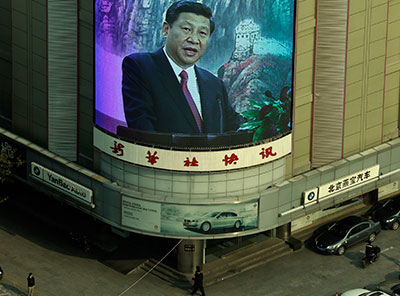
What China’s new leadership means for press freedom
Like many China watchers, we at CPJ have been struggling to interpret obscure floor markings and tie colors on display in Beijing as new Communist Party leaders were appointed in a rare leadership hand-off today. The names of the top seven are no longer in doubt. But the real question everyone’s asking is: What does…
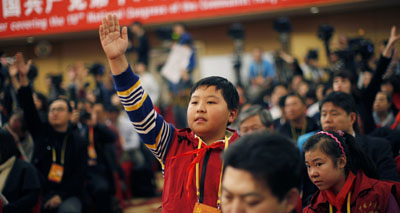
In China, kids ask the tough questions at Party Congress
When a nation’s most outspoken journalists are 11-year-olds, is it a good sign for the future? On the one hand, they might grow up to ask probing questions. On the other hand, they might end up following the path taken by their older peers and stick to scripted exchanges.