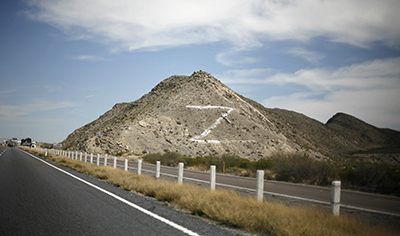
What’s risky? In Mexico’s twin cities, journalists don’t know
The Durango state governor was on his way to meet with reporters. Before he arrived, the reporters huddled to decide the question of the moment. It seemed obvious: Why had a former mayor been arrested the day before in what clearly seemed to be a political move? “That was the only question,” a reporter said…
Jon Stewart, Maziar Bahari, and #FreeIranPress
CPJ joined with the PEN American Center and the International Campaign for Human Rights in Iran on Wednesday night to host a film screening and panel discussion on the deterioration of press freedom in Iran. Moderated by political satirist Jon Stewart, the panel featured Iranian journalist Maziar Bahari and CPJ Executive Director Joel Simon. CPJ and…
Slideshow: Iran’s journalists in chains
Editorial cartoons play a principal role in every newspaper and magazine in Iran, providing news, analysis, and satire in visual form. Since the presidential elections in 2009, when Iranian authorities launched an intense crackdown against journalists, civil society activists, and lawyers, many political cartoonists began to leave Iran. Those who stayed have adjusted their work…
CPJ, others urge John Kerry to raise rights in Russia
In advance of U.S. Secretary of State John Kerry’s visit to Moscow this week, Freedom House, the National Endowment for Democracy, and the Committee to Protect Journalists sent him a letter to call attention to the ongoing crackdown in Russia on non-governmental organizations–including those that support press freedom and freedom of expression.
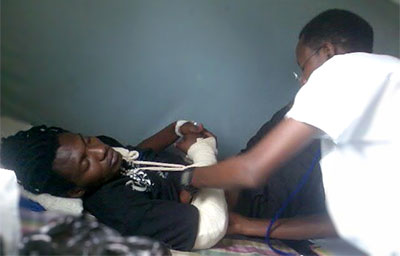
Burundi reporter shot by police for seeking information
Burundi’s government took unusually swift action last week in response to the police shooting of a radio reporter, after the journalist sought information at a roadblock in the capital Bujumbura where market vendors were allegedly being “taxed” for passage. Perhaps the shooting could have been averted if authorities had bothered to discipline officers involved in…
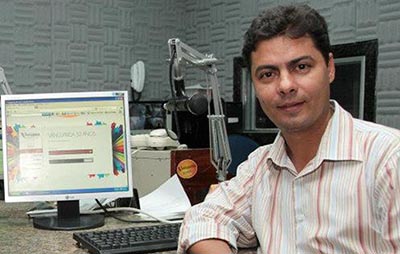
In Brazil, awakening ‘Rodrigo Neto in each of us’
One month after their colleague Rodrigo Neto was gunned down on the street after eating at a popular outdoor barbecue restaurant, the journalists of Vale do Aço, Brazil, were indignant. Denouncing a sluggish investigation and the possibility of police involvement in the murder, they strapped black bands to their wrists in a sign of solidarity,…

In Index, a pattern of death, a roadmap for solutions
Gerardo Ortega’s news and talk show on DWAR in Puerto Princesa, Philippines, went off as usual on the morning of January 24, 2011. Ortega, like many radio journalists in the Philippines, was outspoken about government corruption, particularly as it concerned local mining issues. His show over, Ortega left the studios and headed to a local…
Responding to Hacked Off
Some years back during a visit to the Gambia–the West African nation ruled by a thin-skinned and mercurial president, Yahya Jammeh–I holed up in the sweltering Interior Ministry and pressed officials to release imprisoned journalists and ease up on the country’s brutal media crackdown. The officials resisted, arguing that the press in Gambia was “reckless…