Features & Analysis
2018
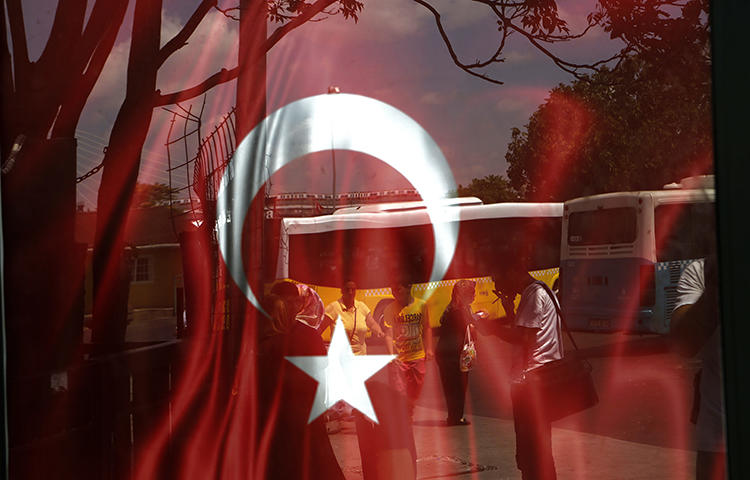
Turkey Crackdown Chronicle: Week of February 5, 2018
Journalists detained Istanbul police on February 1 detained Ali Sönmez Kayar, a reporter for the socialist Etkin News Agency (ETHA), according to his employer’s tweet. A local court ordered Kayar to be held in custody pending investigation, on February 6, ETHA reported without providing further details.
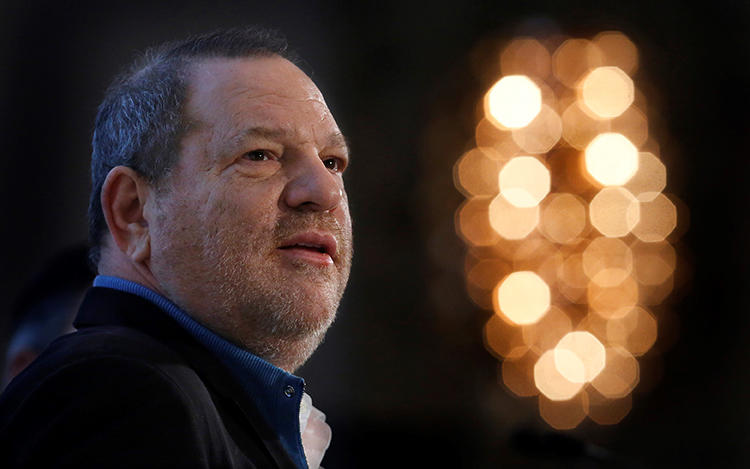
Weinstein-BlackCube surveillance claim exposes aggressive tactics to kill a story
Those with deep pockets can go to great lengths to push back against journalism they find objectionable. Billionaire Peter Thiel deployed a team of lawyers in a move that bankrupted the news site Gawker in 2016–and last month President Donald Trump’s lawyers tried to block the publication of an unflattering book. But there’s another, much…
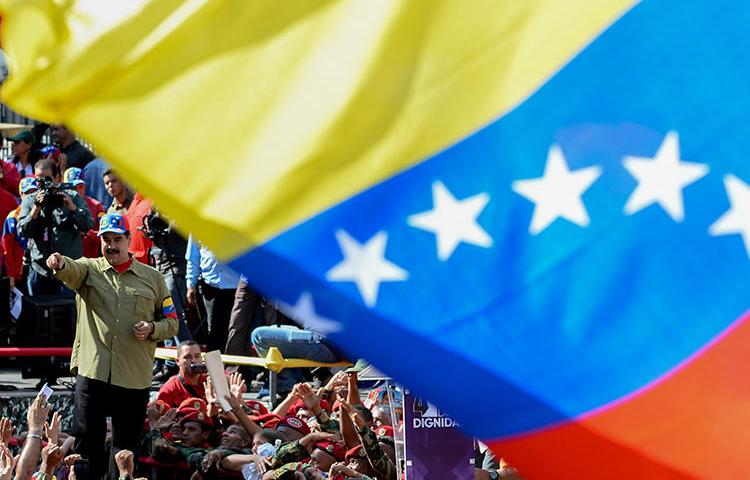
Venezuela’s anti-hate law provides Maduro with another tool to intimidate the press
In what journalists fear could be a taste of things to come, Venezuela’s new anti-hate law was enforced for the first time against a news organization on January 30, when Yndira Lugo, the editor of Diario Región, was called before government agents for questioning.
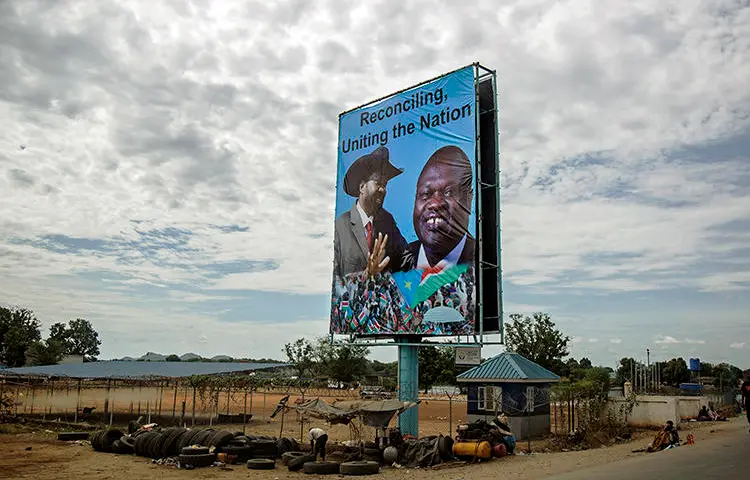
As peace talks resume South Sudan continues its assault on press freedom
A ceasefire agreement signed on December 21 between the South Sudanese government and opposition forces has revived a 2015 peace process and brought hope that the conflict will not persist into its fifth year. The agreement includes obligations to “ensure protection of media” and “[c]ease all forms of harassment of the media.” Yet, ahead of…
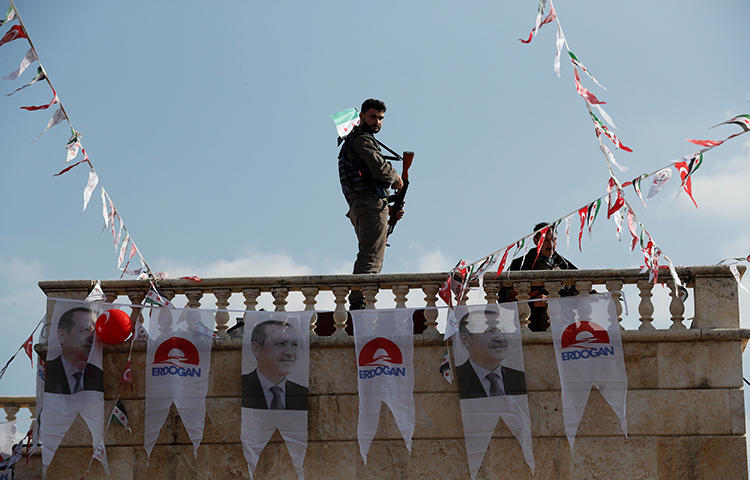
Turkey Crackdown Chronicle: Week of January 29
Journalists arrested Police on the night of January 23 detained İshak Karakaş, chief editor and columnist for the online newspapers Halkın Nabzı and Artı Gerçek, at his Istanbul home as part of a sweeping crackdown on people who have criticized Turkey’s military intervention in Syria, the daily Evrensel reported.

Conditions deteriorate for foreign press in China, FCCC finds
The Foreign Correspondents’ Club of China annual survey, released this week, showed a steady deterioration of working conditions in China for the foreign press. The report, “Access Denied,” documented increased efforts by Chinese authorities to deny or restrict foreign correspondents’ access to large parts of the country in 2017. Increasingly, foreign ministry officials use China’s…
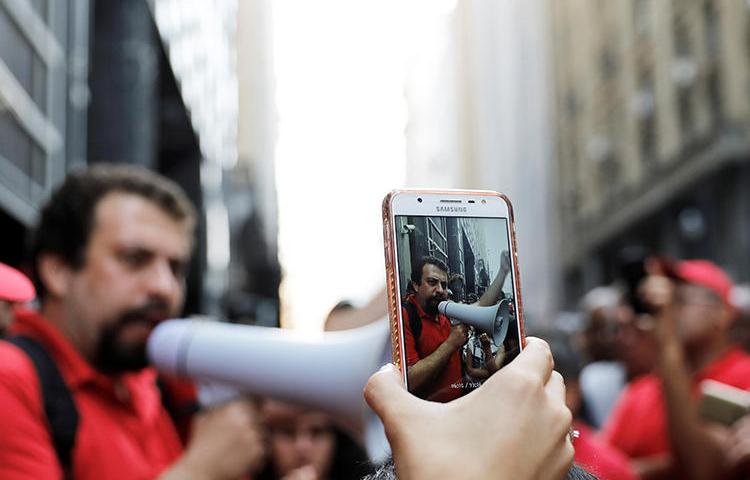
Ahead of elections, Brazil’s police announce plan to crackdown on ‘fake news’
In November last year, Brazilian police stopped a truck on a highway in the center of the country and, after a thorough search, discovered more than six tons of marijuana stashed in false compartments. The truck had the name Romanelli on the side, but police said it was a label designed to confuse and that…

Mexico’s special prosecutor says FEADLE is improving, but impunity continues
For approximately two months, Mexico’s office of the Special Prosecutor for Attention for Crimes Against Freedom of Expression (FEADLE) led a nomadic existence after its building was damaged in a September 19 earthquake that killed almost 400 people in and around Mexico City. The agency now has a new home, but the natural disaster served…
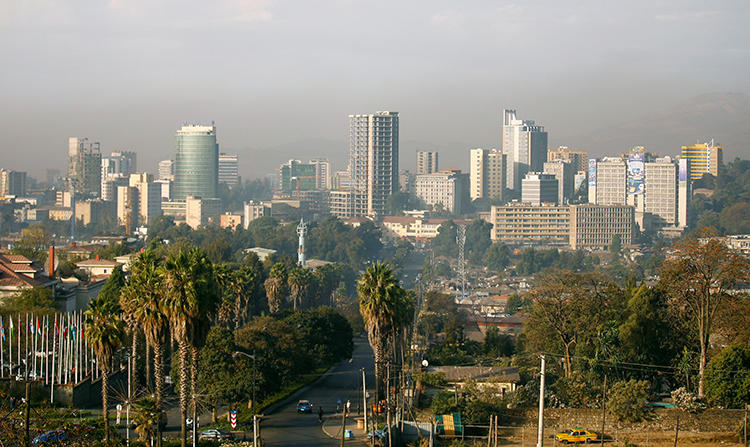
Why release of two journalists in Ethiopia does not signal end to press crackdown
On January 10, radio journalists Darsema Sori and Khalid Mohammed were released from prison after serving lengthy sentences related to their work at the Ethiopian faith-based station Radio Bilal. Despite their release and Prime Minister Hailemariam Desalegn’s promise earlier this month to free political prisoners, Ethiopia’s use of imprisonment, harassment, and surveillance means that the…
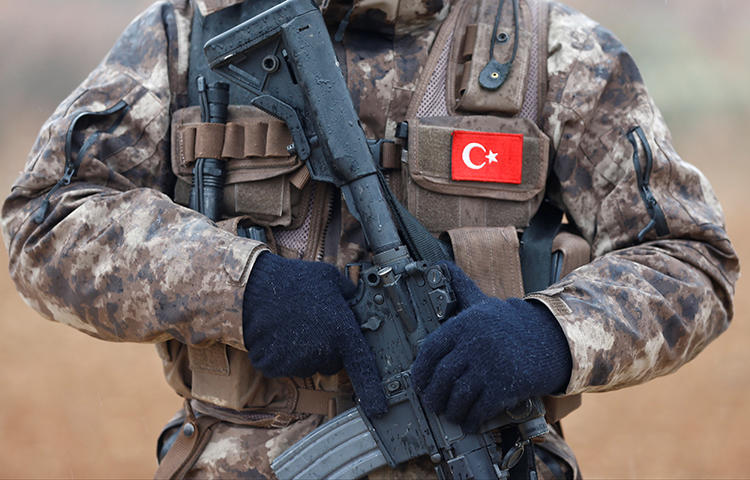
Turkey Crackdown Chronicle: Week of January 22, 2018
Journalists jailed Istanbul authorities on January 18 ordered Veli Haydar Güleç, the former board member for the shuttered TV10, and Veli Büyükşahin, a former TV10 chairperson and current columnist for the online newspaper Artı Gerçek, to be held in pre-trial detention, Artı Gerçek reported.