Features & Analysis
2015

Mission Journal: Crimea’s journalists in exile as Russia muzzles free press
“First they asked if my parents had any guns or drugs in the apartment, then they showed my picture to my mother and asked her to identify me,” Anna Andriyevskaya said. The Crimean journalist, who is living in exile in Kiev, was describing a raid on her parents’ home by Russian FSB agents. “Any other…
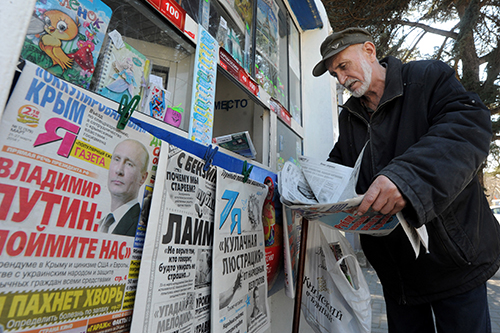
How patriotism with a Cold War tinge is damaging Crimea’s press
“You should move to Kiev,” I was trying to persuade a friend of mine to leave Crimea. I first met him at the time when cassettes were used in voice recorders, there were no e-mail addresses on business cards, and people preferred to make acquaintances in bars, not online. He asked me not to make…
Hacking Team leak underscores complexity of regulating software
Among the 400 gigabytes of internal documents belonging to surveillance firm Hacking Team that were released online this week are details of the company’s dealings with some of the most oppressive governments in the world. The revelations, which have generated alarm among privacy, security, and human rights advocates, have also fueled debate around the esoteric…
How Islamic State uses killings to try to spread fear among media
The militant group Islamic State may be trying to push Syria back into the dark ages, but it is fighting a very modern war. From slick propaganda videos to online surveillance and wide restrictions on Internet use, the Islamic State is trying to control media output and stamp down on dissent.
Hopes of independent press in Rwanda fade as head of media body flees
Rwanda’s progress towards a more liberal media environment has been short-lived. In May Fred Muvunyi, the head of the Rwanda Media Commission, fled the country for fear of being detained or attacked, and the country’s telecommunications regulator suspended the operation agreement for the BBC’s Great Lakes radio service indefinitely.
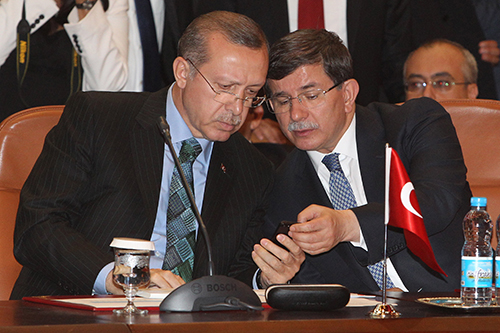
Erdoğan vs the press: Insult law used to silence president’s critics
President Recep Tayyip Erdoğan is known for being intolerant of critics. During his third term as prime minister, Turkey was the leading jailer of journalists in the world with more than 60 behind bars at the height of the crackdown in 2012. Most of those have been released, but the press faces another threat–Article 299…
More signs of Myanmar’s toughening stance on media
Myanmar’s parliament yesterday voted against several constitutional amendments that keep the military’s veto power intact, dealing a blow to hopes for fuller democracy, according to the BBC. And outside the legislature authorities are accelerating the pace at which they undoing democratic reforms.
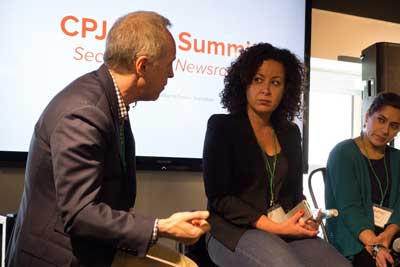
Radio Free Asia reporter’s brothers in China face anti-state charges
This week, Washington D.C.-based Uighur journalist Shohret Hoshur, sent CPJ a message saying that on May 28 charges had finally been brought against two of his brothers, Shawket and Rexim, who have been detained since August. Hoshur, who works for the U.S.-government funded Radio Free Asia (RFA), is convinced they are being put on trial…
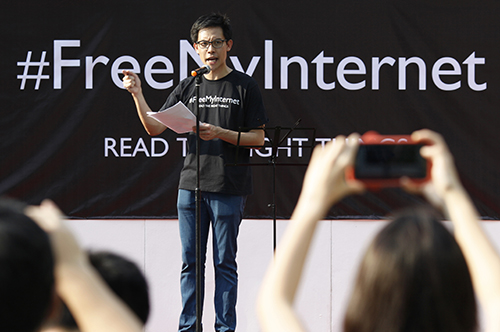
Blogger in Singapore faces financial ruin following defamation suit
“If we want our freedom, we have to fight for it,” wrote blogger Roy Ngerng last year after he was sued for defamation by Singapore’s prime minister. The case was sparked by a blog post in which Ngerng allegedly suggested Prime Minister Lee Hsien Loong had misappropriated funds in a state pension system. In November,…