Features & Analysis
2012
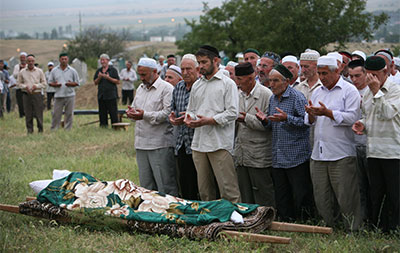
Three years on, Natalya Estemirova’s murder unsolved
Three years ago this week, Natalya Estemirova, a contributor to the independent newspaper Novaya Gazeta and a local staffer for the Moscow-based rights group Memorial, was murdered in the North Caucasus, Russia’s volatile region, where she was famous for her work as a defender of human rights.
Afghanistan’s draft media law slowed, but not stopped
For now, the Afghan government’s apparent attempt at railroading through a less-than-media-friendly new Mass Media Law without consultation seems to have been sidelined, though not derailed. On Sunday in Kabul, representatives of the Ministry of Information and Culture received recommendations from civil society workers and journalists, including some from the provinces, which were drawn up…

Internet law: a good bad example of Russia’s backsliding
Russia’s State Duma has passed a number of new laws in the past week, all seemingly aimed at reining in civil society and criticism of public figures. The bills would re-criminalize defamation and impose limits and labels on NGOs. They follow the introduction last month of excessive fines for unauthorized protests.

Bossa Nova’s home and Olympics host is risky for press
The jagged mountains ringing Rio de Janeiro descend to a temperate valley with two storied beaches on the Atlantic. Here is the city that gave the world a new, eclectic musical beat with the Bossa Nova, the South American jewel that will host the summer Olympic Games in 2016. Yet Rio has also been the…
Maldives media offer first-hand accounts
Violent clashes between police and opposition Maldivian Democratic Party (MDP) protesters continued in the streets of the capital, Malé, on Thursday night, according to international news reports. You can read CPJ’s news alert on journalists swept up in the unrest–and background on the demonstrations–here, and some lively discussion on the situation here.
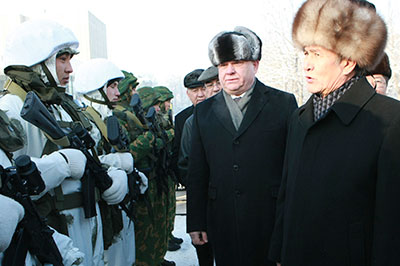
A litmus test for Kyrgyzstan’s anti-corruption campaign
Campaigners from local rights activists to U.N. High Commissioner for Human Rights Navi Pillay are urging Kyrgyz authorities to review the case of Azimjon Askarov, an investigative reporter and human rights activist serving a life sentence in Kyrgyzstan.
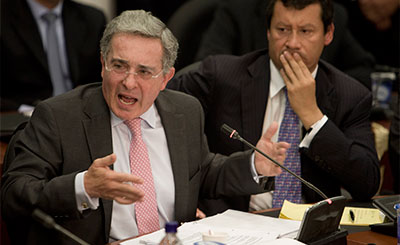
Uribe’s angry tweets do more than antagonize
More than a year after he left office, Álvaro Uribe Vélez confessed that “it was not in him” to live as a former president. And in fact, having dominated Colombian politics for eight years, it has been impossible for Uribe to fade from the public eye since leaving office in August 2010. Instead of retiring…