Features & Analysis
2012
Viewing the London Olympics coverage from China
Chinese propaganda officials must be thrilled that they’re not responsible for the Olympics coverage in the British papers. Back during the Beijing Games, they worked hard to censor unrest and dissatisfaction in the domestic media. Reports of China’s press freedom and human rights abuses were blocked, the kind of information control idiomatically referred to as…
Stressed out: How should newsrooms handle trauma?
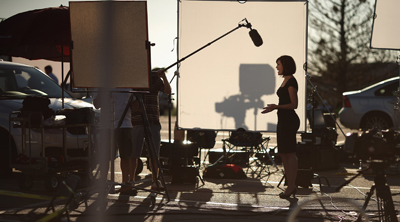
The rampage inside a Colorado movie theater that killed 12 people and injured dozens more is the most recent reminder that a journalist anywhere can face sudden, great emotional stress. Any story involving tragedy–from domestic violence to natural disasters–can inflict an emotional toll on field journalists. The very empathy that makes a journalist a good…
For journalists, danger lurking in your email
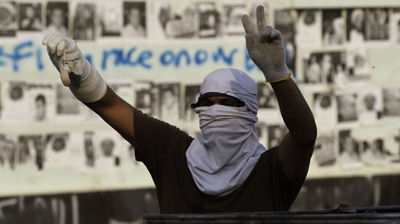
This week, Morgan Marquis-Boire and Bill Marczak of the University of Toronto’s Citizen Lab provided a disturbing look into the likely use of a commercial surveillance program, FinFisher, to remotely invade and control the computers of Bahraini activists. After the software installs itself onto unsuspecting users’ computer, it can record and relay emails, screenshots, and…
Propaganda officials miss the boat on ‘China’s Katrina’
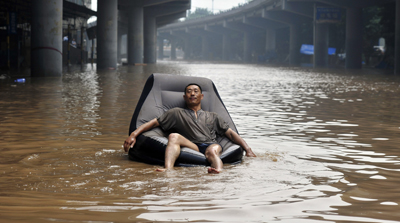
Chinese journalists are questioning government propaganda due to conflicting reports of the death toll following Saturday’s devastating flooding in Beijing. Like the Wenzhou train crash and the Sichuan earthquake, the tragedy has galvanized mainstream and online journalists–and the official narrative is crumbling under their scrutiny.
Where is Meles Zenawi? Ethiopians don’t know.
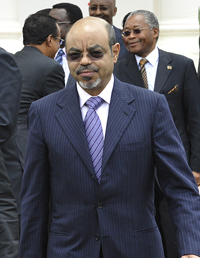
If you search for the name of Ethiopia’s prime minister, Meles Zenawi, on Twitter these days, you’ll see a flurry of incongruent postings: Meles is hospitalized in critical condition; he’s fine and returning to work; he died two weeks ago; he’s on holiday. Journalists for international news outlets have tried to sort out fact from…

Defense tools for Sri Lanka’s online onslaught
Sanjana Hattotuwa, the founder of the citizen journalism website Groundviews, sent us the links to a new series of posters and videos focused on digital communications security. The material, which is aimed at a Sri Lankan audience, is available in English, Sinhala, and Tamil, but is relevant to anyone who uses the Internet or a…
#Maldives media debate unfolds on Twitter
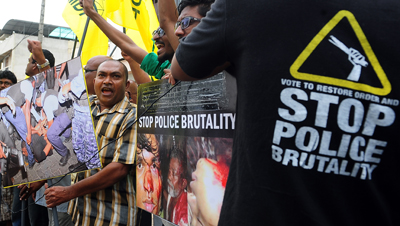
It started at 6:34 p.m. Monday. Abdulla Riyaz (@riyazabdulla), whose Twitter bio describes him as commissioner of the Maldives Police Service (MPS), published the following on his personal account: “MPS decides NOT to cooperate to Raajje TV [sic]. A statement will be released today.”
Face-blurring comes into focus for journalists
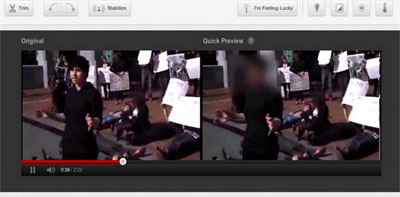
This week, YouTube announced a feature that should catch the eye of video journalists and bloggers working in dangerous conditions. After uploading a video to YouTube, you can now deploy a “blur faces” post-production tool that, in theory, should disguise the visual identity of everyone on the screen. The Hindu newspaper has an excellent how-to…