2010
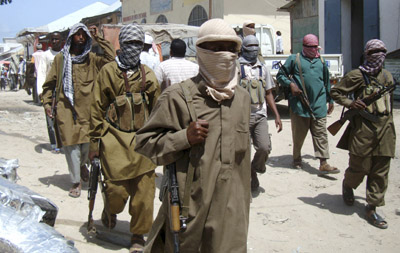
In African hot spots, journalists forced into exile
By Tom Rhodes High numbers of local journalists have fled several African countries in recent years after being assaulted, threatened, or imprisoned, leaving a deep void in professional reporting. The starkest examples are in the Horn of Africa nations of Somalia, Ethiopia, and Eritrea, where dozens of journalists have been forced into exile. Zimbabwe, Rwanda,…
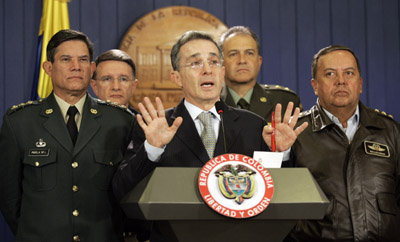
In the Americas, Big Brother is watching reporters
By Carlos Lauría The topic being investigated by two Colombian reporters was explosive enough that it required unusual security. Fearful that the subjects would learn prematurely of the story, the reporters took separate notes, which they did not share and which they later destroyed. They didn’t communicate by telephone or e-mail, and they met only…

As fighting surges, so does danger to press
By Bob Dietz As the United States redeploys forces to Afghanistan, and the Pakistani military moves into the country’s tribal areas, the media face enormous challenges in covering a multifaceted conflict straddling two volatile countries. Pakistani reporters cannot move freely in areas controlled by militants. International reporters in Afghanistan, at risk from kidnappers and suicide…
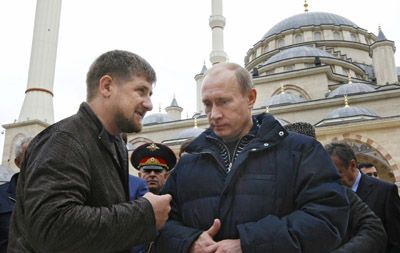
Why a killing in Chechnya is an international issue
By Nina Ognianova The day before, Natalya Estemirova had seen off two colleagues from Moscow. Yelena Milashina, a reporter with the newspaper Novaya Gazeta, and Tanya Lokshina, an advocate with the international group Human Rights Watch, had traveled to Chechnya on separate assignments. Like many visiting journalists and human rights defenders, Milashina and Lokshina had…
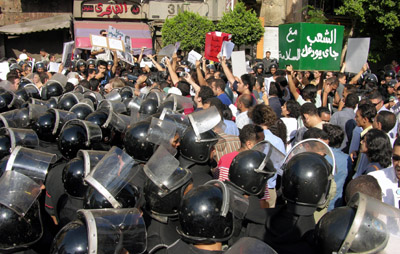
Human rights coverage spreads, despite government pushback
By Mohamed Abdel Dayem and Robert Mahoney The media in the Middle East loved the Intifada. Every detail of Israel’s violations of human rights in the late 1980s in the West Bank and Gaza appeared in the Arabic and Farsi press. The governments that owned or controlled these media outlets loved it, too. When pan-Arab…
Attacks on the Press 2009: Afghanistan
Top Developments • Government tries to curb reporting on Election Day violence. • Abductions target foreign reporters, endangering local journalists, too. Key Statistic 20: Years that Parwez Kambakhsh would have spent in jail on an unjust charge. He was freed in August. Deepening violence, flawed elections, rampant corruption, and faltering development provided plenty of news…
Attacks on the Press 2009: Argentina
Top Developments• New broadcast law sparks contentious debate, raises concerns.• In major victory, criminal defamation laws are repealed. Key Statistic 200: Tax agents who raided Clarín in apparent reprisal for the newspaper’s coverage. Press freedom advocates won two important victories as congress decriminalized defamation, and a federal court issued a ruling that, while still under appeal, could…
Attacks on the Press 2009: Armenia
Top Developments• Broadcast media controlled by government or its allies.• Numerous assaults reported, but police do little. Key Statistic 12: Broadcast license applications filed by independent outlet A1+. None approved. The nation remained polarized by the fraud-marred 2008 presidential election won by Serzh Sargsyan, with large public protests and violent government reprisals continuing well into 2009. The…
Attacks on the Press 2009: Azerbaijan
Top Developments• Critical reporters jailed for defamation, “hooliganism.”• CPJ honors imprisoned editor Eynulla Fatullayev. Key Statistic 68: Novruzali Mamedov’s age when he died in prison after being denied medical care. Using imprisonment as a crude form of censorship, the authoritarian government of President Ilham Aliyev remained one of the region’s worst jailers of journalists. Authorities allowed one…