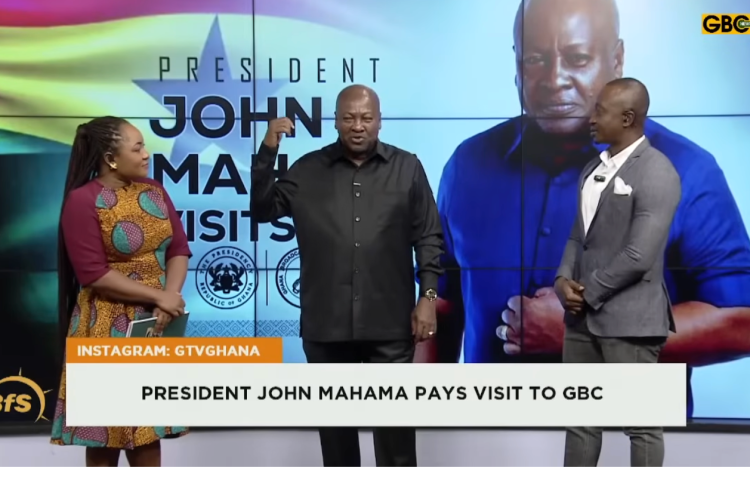
Under Ghana’s President Mahama, near-total impunity for attacks on 17 journalists
When Ghana’s President John Dramani Mahama took office in January 2025, pledging to restore “an era of true media freedom,” journalists had reason to hope that attacks on the press would be taken more seriously than before. But during Mahama’s tenure, CPJ has documented eight separate incidents in which at least 17 journalists were attacked…
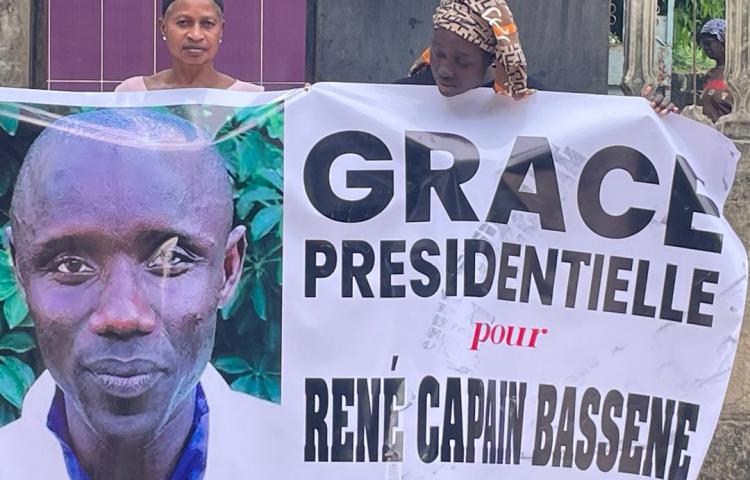
EXCLUSIVE: Senegal’s grave miscarriage of justice in the case of René Capain Bassène
Journalist René Capain Bassène devoted his career to restoring peace to Senegal’s troubled Casamance region. The government accused him of being a rebel who ordered the murder of 14 men and jailed him for life. Now a rebel leader and a U.S. diplomat involved in peace negotiations have refuted the prosecution’s fundamentally flawed theory. The…
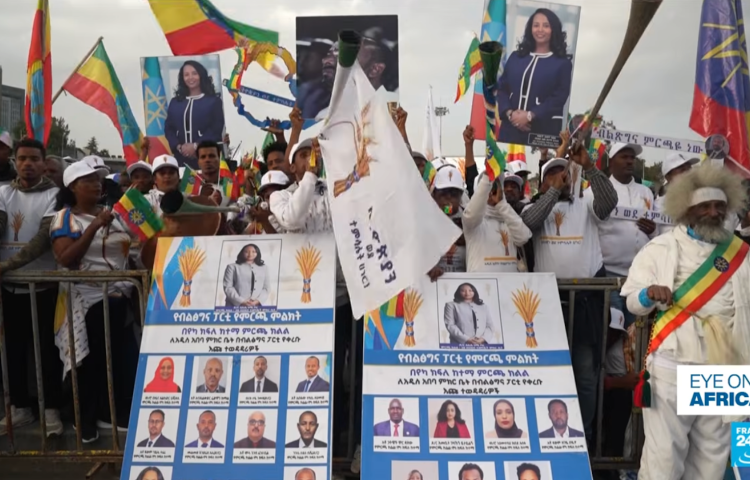
‘Under the shadow of fear’: censorship is Ethiopia’s real election story, journalists say
In the countdown to Ethiopia’s general election, journalist Bewket Abebe flew to the northern border town of Humera, in a rare attempt at on-the-ground reporting ahead of the June 1 vote. Bewket, chief editor of The Reporter Magazine, was scheduled to meet the administrator of the contested territory, which is claimed by both Tigray and…
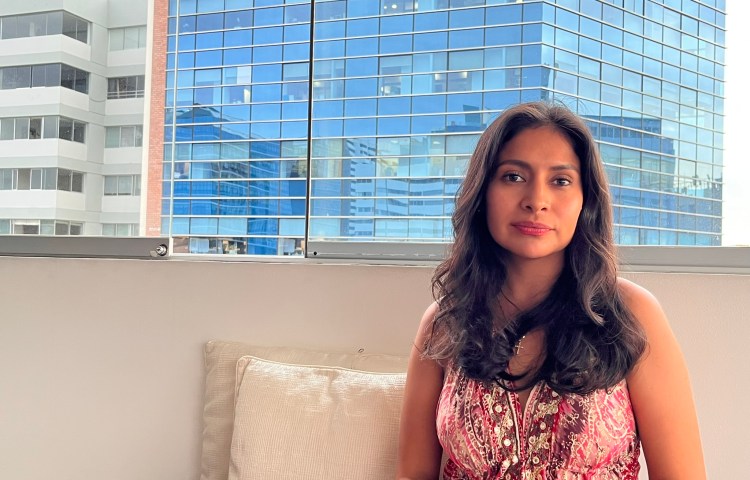
Peruvian journalists face threats, death amid country’s democratic backsliding
Peruvian journalist Geraldine Santos is only 30 years old, and she is already preparing for her funeral. Santos says she has received so many threats while reporting on cocaine trafficking and environmental crimes in the Amazon jungle that she has arranged for her family to contact a government source who, in case Santos is murdered,…
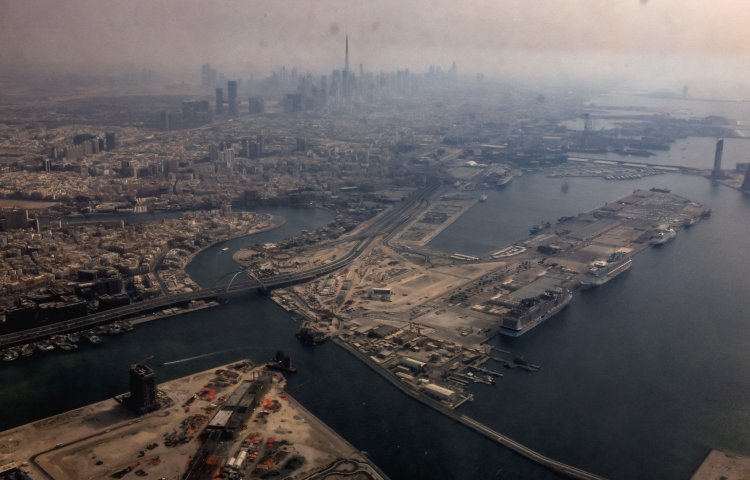
Press crackdowns in Gulf spike following Iran war, risk becoming permanent
Since the Iran war started late February, CPJ has documented a crackdown on the press across the Gulf and tracked unpublicized cases of arrests, intimidation, and legal and financial actions against journalists and their media outlets. The escalation represents a significant and underreported threat to press freedom in Gulf countries, where free speech was already…
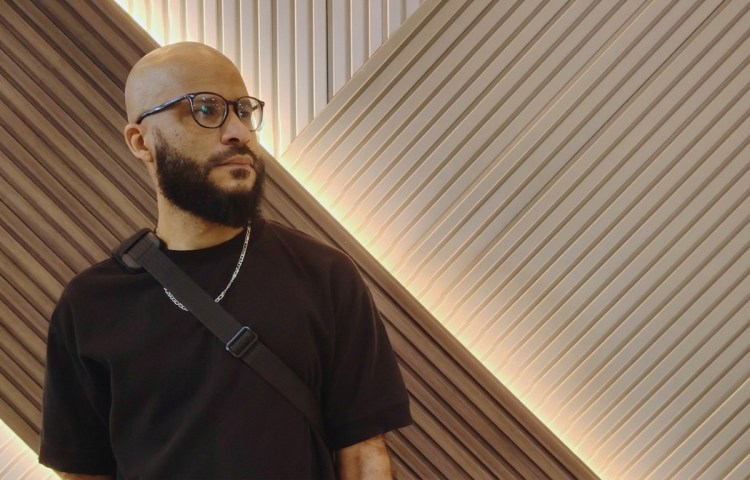
Venezuelan journalist details complicated fight for amnesty post-Maduro
After nearly a year in prison, Venezuelan journalist Rory Branker is finally free. But he has yet to liberate himself from what legal experts and press freedom groups describe as trumped-up criminal charges that are hanging over his head. After the U.S. military ousted Venezuelan President Nicolás Maduro in January, Branker was one of more than two dozen journalists to be…
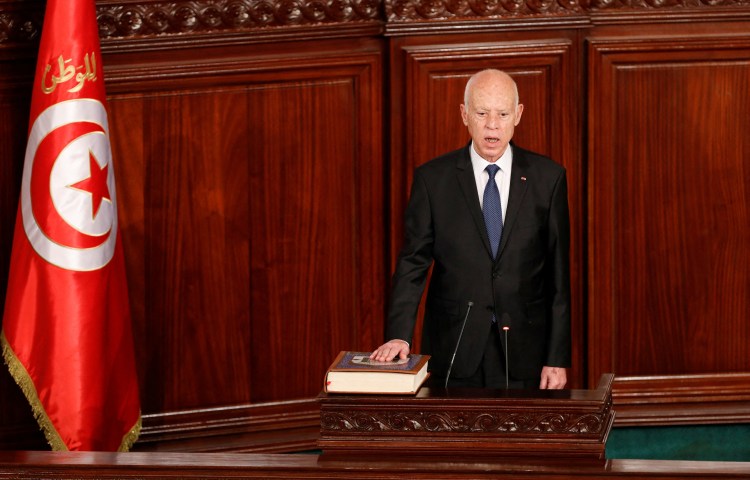
Beyond Decree 54: Tunisia’s latest measures to silence the press
For years, Tunisia was viewed as one of the few post-Arab Spring success stories for press freedom in the region. In the decade following the 2011 revolution, journalists gained greater space to investigate corruption, criticize authorities, and report more openly than anywhere else in North Africa. Those gains, while incomplete, marked a significant break from…
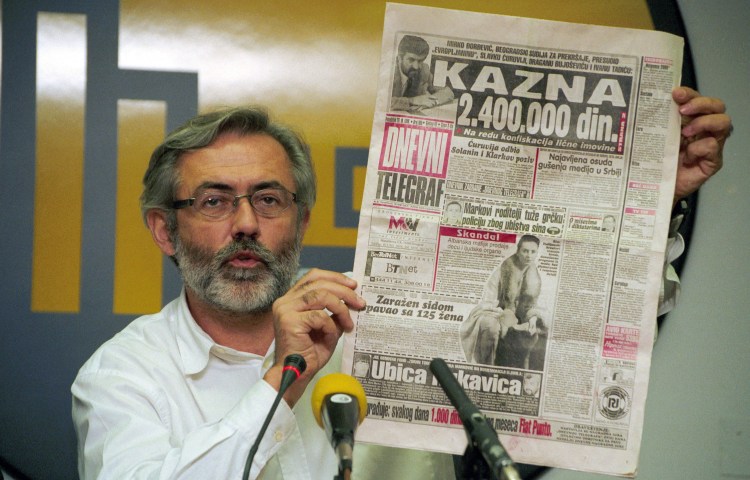
Daughter of murdered Serbian journalist Slavko Ćuruvija on her 27-year fight for justice
On April 11, 1999, Slavko Ćuruvija, the owner of Serbia’s first private daily newspaper, Dnevni Telegraf, was assassinated outside his home in the capital, Belgrade. After a decades-long pursuit of accountability, the case reached a turning point in February 2024 when the Belgrade Court of Appeal issued a final, non-appealable acquittal for four former Slobodan Milošević-era state…
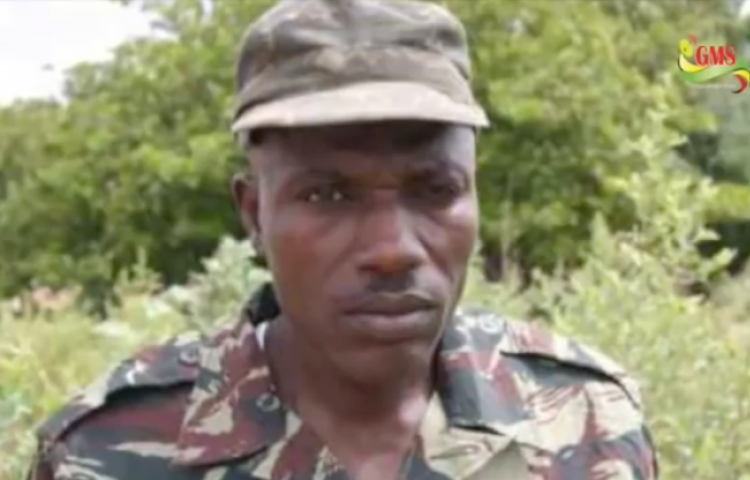
Senegal rebel leader rejects prosecution claims against journalist René Capain Bassène
A key Senegalese rebel leader, César Atoute Badiate, has broken his silence on jailed journalist René Capain Bassène, refuting the prosecution’s claim that Bassène was a militant fighting for independence of the Casamance region who incited him to murder 14 illegal loggers in 2018. “René Capain Bassène is neither an MFDC representative nor a leader…
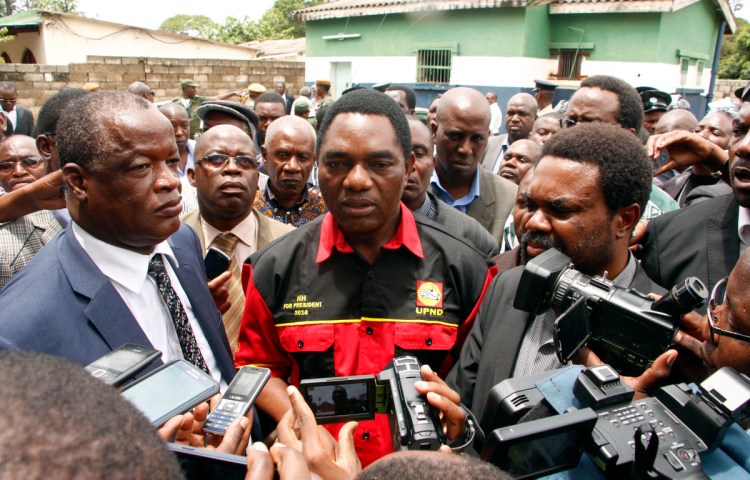
Zambian lawyers fight for media freedom as journalists harassed ahead of election
For months, lawyer Josiah Kalala has been working late into the night on a case he believes could define the future of press freedom in Zambia: preparing arguments, reviewing legal provisions, and consulting colleagues. Kalala, who heads Chapter One Foundation, a local human rights group, hopes that the hundreds of hours he has poured into…