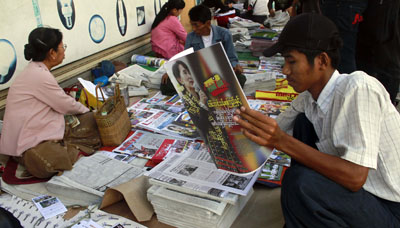
Burmese authorities suspend two news publications
Bangkok, August 1, 2012–Two weekly news publications were suspended indefinitely in Burma on Tuesday, marking a significant reversal of the government’s earlier loosening of media restrictions and pre-publication censorship, the Committee to Protect Journalists said today.
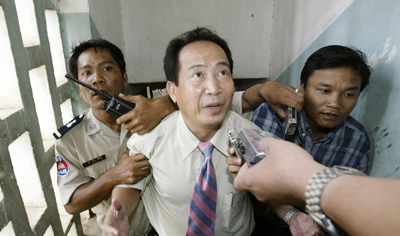
Blogger harassed, briefly detained by police in Vietnam
Bangkok, July 6, 2012–Vietnamese authorities must stop their harassment of independent blogger and rights activist Huynh Thuc Vy and allow her to report freely, the Committee to Protect Journalists said today. Huynh was briefly detained by police and threatened with anti-state charges on Wednesday, according to news reports.
Third witness to Maguindanao massacre killed
The climate of impunity that fostered the November 23, 2009, massacre of 57 people, including 32 journalists, is alive and well not only on the southern Philippines island of Mindanao, where the massacre took place, but in all of the country. The revelation that the brutalized body of a key witness to the killings, Esmail…
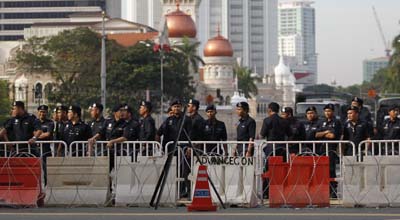
Journalists assaulted, detained during rally in Malaysia
Bangkok, April 30, 2012–Security forces attacked several journalists Saturday while cracking down on a rally in Kuala Lumpur, according to news reports. The Committee to Protect Journalists rejects the government’s claims that police acted with restraint and calls for an independent investigation into the attacks.
Wary about Burma? So are others
Amid the rush to see changes in Burma as an inexorable move toward full democracy–Aung San Suu Kyi’s electoral victory over the weekend is certainly cause for hope–CPJ has maintained a healthy skepticism about media reform in Burma. Shawn Crispin’s “In Burma, press freedom remains an illusion,” posted on Friday, is the most recent example…
Myanmar relaxes grip on media, vows end to censors
Burma’s heavily censored media is one of the worst in the world. The country is now taking steps to expand and protect press freedom. These steps, however, are being questioned by local journalists. The Associated Press (AP) reports on this new development, with commentary from CPJ’s Southeast Asia representative, Shawn Crispin.Click here for the full…
Attacks on the Press in 2011: Asia
Analyses and data track press conditions throughout the region. Bob Dietz describes efforts by Pakastani journalists to address widespread violence. Shawn Crispin details the faltering prosecution in the Maguindanao massacre. Madeline Earp examines the future of information control in China, and Monica Campbell recounts the plight of Afghan reporters for international media.