CPJ urges Kazakhstan to stop repressing media
Dear President Nazarbayev: The Committee to Protect Journalists is deeply disturbed by the ongoing crackdown by Kazakhstan’s security service, the KNB, against independent journalists. The imprisonment of Vzglyad editor Igor Vinyavsky and interrogations of independent reporters by KNB agents appear to be reprisals for critical reporting on government policies, including a December 2011 confrontation in which authorities killed civilians.
Syria arrests 14 in attempt to block news
New York, February 16, 2012–The Committee to Protect Journalists is alarmed by the arrests of 14 journalists, bloggers, and press freedom activists with the Syrian Center for Media and Freedom of Expression (SCM). The group has played a key role in getting out information about daily developments in Syria as foreign journalists are virtually banned…
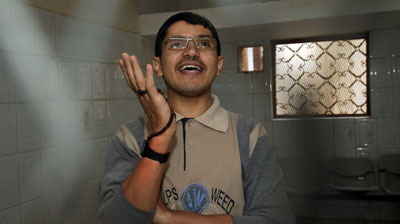
‘There’s a lot more to journalism in this country than tittle tattle’
Tim Hancock, of Amnesty International UK, rises to lend perspective on the on-going Leveson inquiry reminding the world that a free press is vital for far more than coverage of celebrity gossip. Citing CPJ figures he notes that in 2011 one third of all journalists killed occurred during coverage of the Arab Spring, and that…
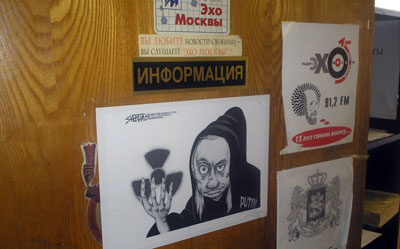
Ekho Moskvy board shuffled ahead of Russian election
The Russian blogosphere erupted with comments today following an announcement that the board of directors of the iconic radio station, Ekho Moskvy, will be changed. The timing of the development–weeks before presidential elections–and the potential consequences for Ekho’s editorial policy threw listeners into a frenzy of worry and speculation.
Increasing press freedom violations in Iran
New York, February 14, 2012–The Iranian regime continued its sustained crackdown on the press, arresting a blogger, handing a journalist a harsh prison term, and banning a reformist news publication, according to news reports. The regime has also announced the mass arrest of several individuals with alleged links to the BBC Persian-language service, news reports…