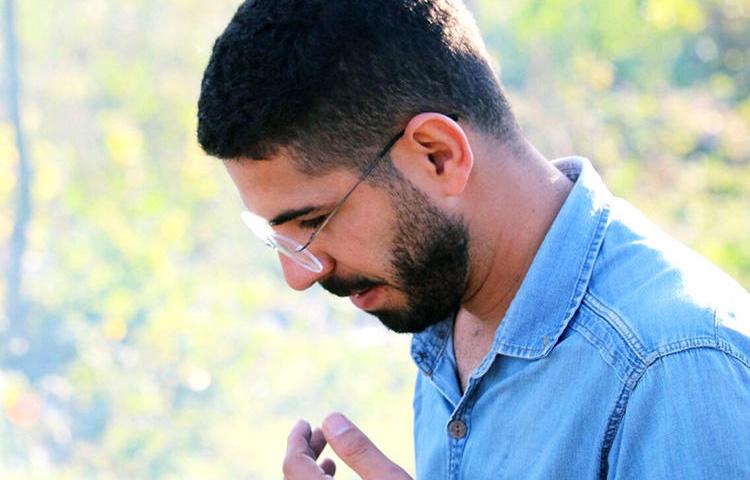
Iranian journalist imprisoned, fired, and forced into exile over a single word
In October 2018, authorities arrested Pouyan Khoshhal as he drove through the northern Iranian city of Rasht, by the Caspian Sea. The reason for the journalist’s arrest: his use of the word “death” instead of “martyrdom” to describe a Shiite saint in an article for the reformist newspaper Ebtekar.
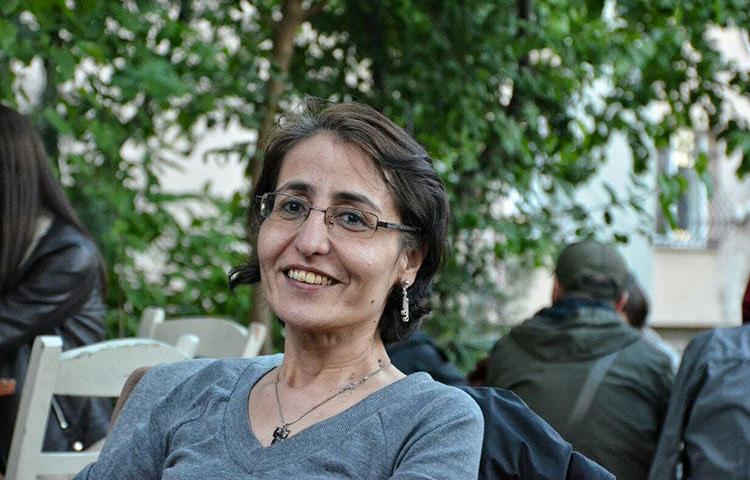
‘I could be jailed at any moment’: Turkish editor in limbo over terms of prison release
If somebody is legally under house arrest but in practice not, are they free? Semiha Şahin, an editor at the socialist Etkin News Agency (ETHA), confronts this question—and the legal ambiguity that it poses—every day. A Turkish court released the journalist under house arrest in June, pending the outcome of her trial, but authorities have…
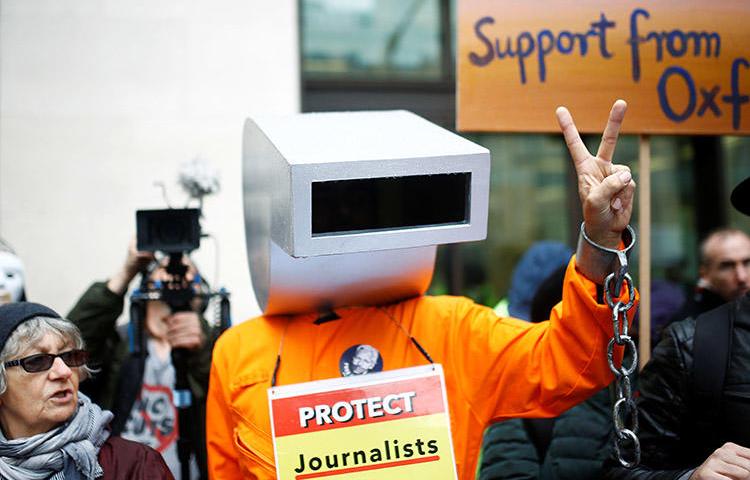
For the sake of press freedom, Julian Assange must be defended
Nine years ago this month, the Committee to Protect Journalists took a stand on one of the most polarizing figures in journalism. We wrote President Barack Obama and his attorney general, Eric Holder, urging them not to prosecute Julian Assange.
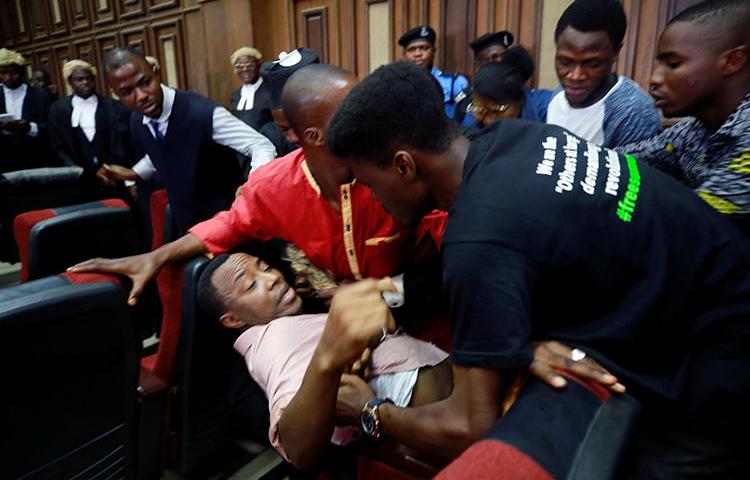
Nigeria and Ethiopia jail activist-journalists amid crackdown on free expression
The ongoing detentions of Nigerian publisher Agba Jalingo and Ethiopian editor Fekadu Mahtemework–the only journalists behind bars for their work in their countries, according to CPJ’s latest prison census–don’t tell the whole story of their governments’ crackdowns on freedom of expression.

Hungary’s media control unprecedented in EU, joint mission finds
Since 2010, the Hungarian government has achieved a degree of media control unprecedented in an EU member state, seven international organizations, including the Committee to Protect Journalists, said in a statement released today. The organizations urged the EU “to take all available measures to respond.”
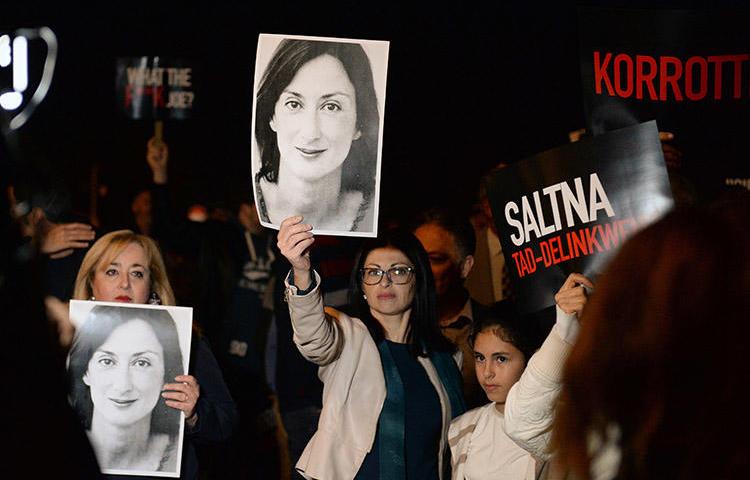
Malta must avoid political interference in Caruana Galizia investigation
CPJ and nine other international press freedom organizations today released a joint statement reiterating that the investigation into the assassination of Maltese blogger Daphne Caruana Galizia must be independent and free from political interference.
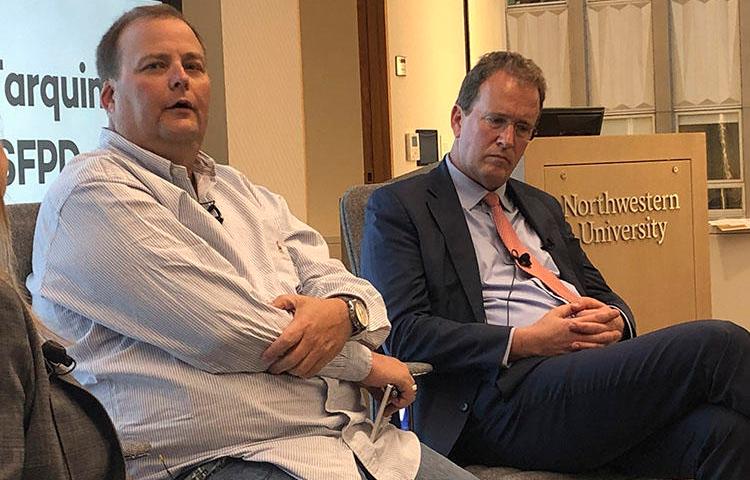
Carmody case shows grave police overreach, say lawyers
Bryan Carmody, a breaking news stringer who frequently worked the police beat in San Francisco, woke on May 10 to the sound of a sledgehammer at the metal gate securing his front door. Law enforcement agents investigating the leak of internal police documents were attempting to discover his source, CPJ reported at the time.
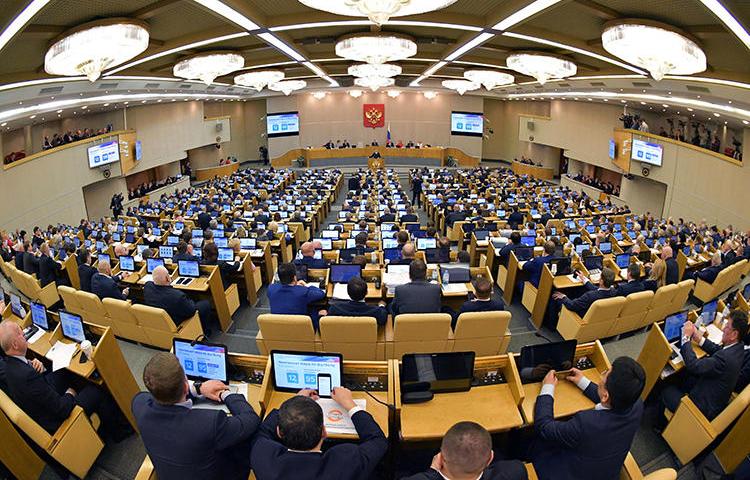
CPJ joins call for Russian government to drop foreign agent bill
The Committee to Protect Journalists today joined nine other international press freedom organizations in signing a statement urging Russia to drop draft legislation that would add individual journalists and bloggers to the country’s list of “foreign agents.”
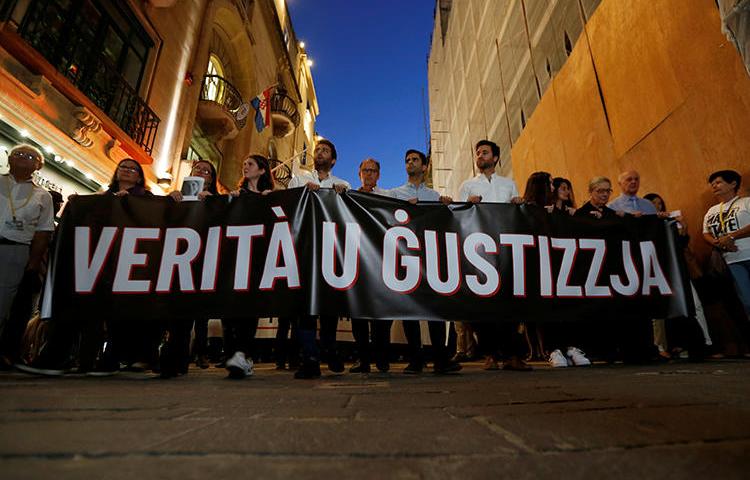
CPJ joins statement welcoming changes in inquiry of Daphne Caruana Galizia killing
The Committee to Protect Journalists joined eight other international press freedom organizations today in a statement welcoming an announcement that the Maltese government and the family of journalist Daphne Caruana Galizia have agreed on the membership of the board appointed to investigate the circumstances of Caruana Galizia’s 2017 killing, and on the investigation’s scope.

Laws, cheap web filters arm Russia to block news, says Censored Planet
When Daniil Kislov tried to view the website of Fergana from his computer in Moscow on November 1, his browser showed him the now-familiar notification that the independent news outlet he directs had been blocked by order of Roskomnadzor, the national agency that regulates the internet in Russia, he told CPJ. Fergana has been blocked…