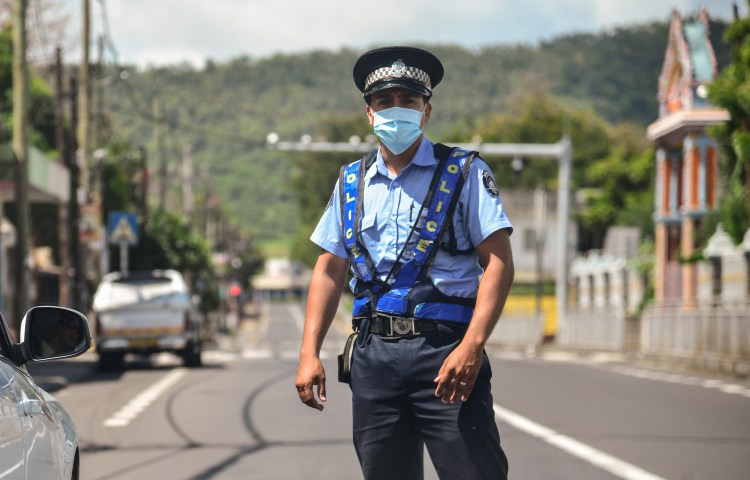
CPJ joins call for Mauritius to reject ICT Act amendments that threaten online speech
The Committee to Protect Journalists today joined more than 50 organizations and individuals in co-signing a letter calling on the government of Mauritius to retract proposed changes to the country’s Information and Communication Technologies Act, known as the ICT Act. The letter, addressed to the Information and Communication Technologies Authority, expressed concern that the amendments’…
In Burkina Faso, Spanish journalist killings underscore broader dangers to the press
The murder of Spanish reporters David Beriain and Roberto Fraile by unidentified attackers last week in eastern Burkina Faso was a tragic example of the dangerous working conditions for journalists in the country, where the government has struggled to contain a rise in militant activity in recent years. Beriain and Fraile were kidnapped along with Rory Young, an Irish conservation worker, from an anti-poaching convoy…
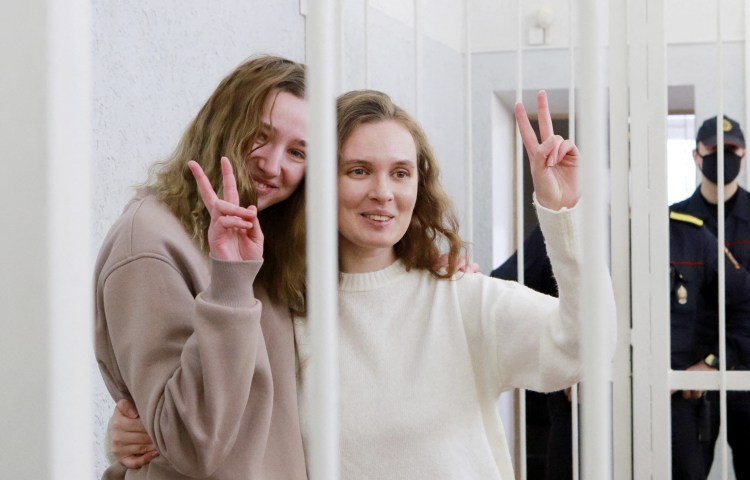
CPJ testifies on threats to press freedom in Belarus at Tom Lantos Human Rights Commission
Yesterday, at a hearing on Democracy and Human Rights in Belarus before the Tom Lantos Human Rights Commission, CPJ Europe and Central Asia Program Coordinator Gulnoza Said gave testimony on the threats to press freedom and safety of journalists in Belarus. Said spoke on the sharp increase in press freedom violations and journalists’ detentions since the…
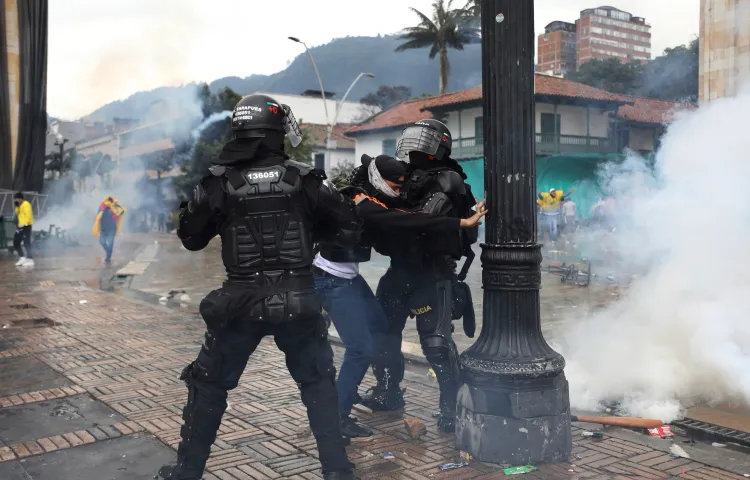
CPJ, partners call on Colombian authorities to address press freedom violations in protest response
The Committee to Protect Journalists, Reporters Without Borders (RSF), and IFEX-ALC–which includes 24 member organizations across Latin America–yesterday sent a letter to Colombian President Iván Duque and three other high-ranking Colombian officials urging them to investigate press freedom violations committed by state security forces responding to protests and guarantee Colombians’ rights to access information and…
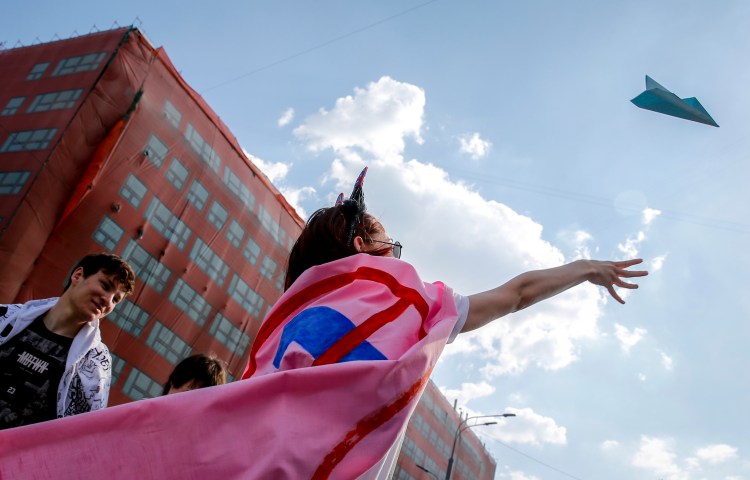
Russia couldn’t block Telegram, but harassment, propaganda make it hostile for journalists
Telegram was meant to be blocked in Russia in April 2020 when Aleksandr Pichugin published a satirical article about the spread of COVID-19 on his channel Sorokin Khvost – an allusion to a Russian version of the saying, “A little bird told me.” Four days later, uniformed officers came to the journalist’s home and pushed…
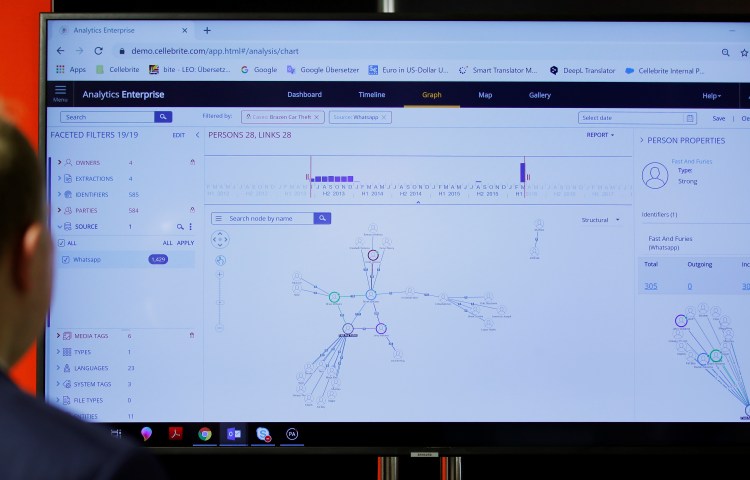
Equipped by US, Israeli firms, police in Botswana search phones for sources
Oratile Dikologang was naked when police officers pulled black plastic over his head during his detention in April 2020. It was difficult to breathe, but the interrogation continued, he told CPJ in a recent phone interview. “What are your sources, where do you get information,” he recalled them asking repeatedly. “It was the most painful…

‘Trauma makes its way back to you’: Four US journalists on covering mass shootings
In the photograph published in The Washington Post, a woman kneels on the ground, her hands in her lap, her body bathed in red neon light. She is mourning outside of the Aromatherapy Spa in Atlanta, Georgia, one scene of a mass shooting in March 2021 that killed eight people. Behind every photograph and news report of a…
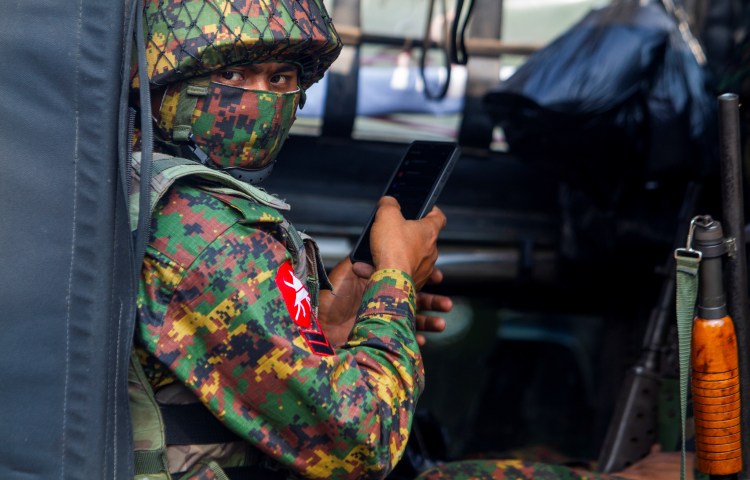
Journalists struggle to work amid extended internet shutdowns in Myanmar, Ethiopia, Kashmir
By CPJ Africa and Asia Program Staff Even a brief shutdown of the internet impedes the press from doing its job. But some disruptions last for months, severely undermining safety and access to information, CPJ has found. Recently, authorities have imposed such measures in Myanmar and Ethiopia amid serious crises. India leads the world in internet…
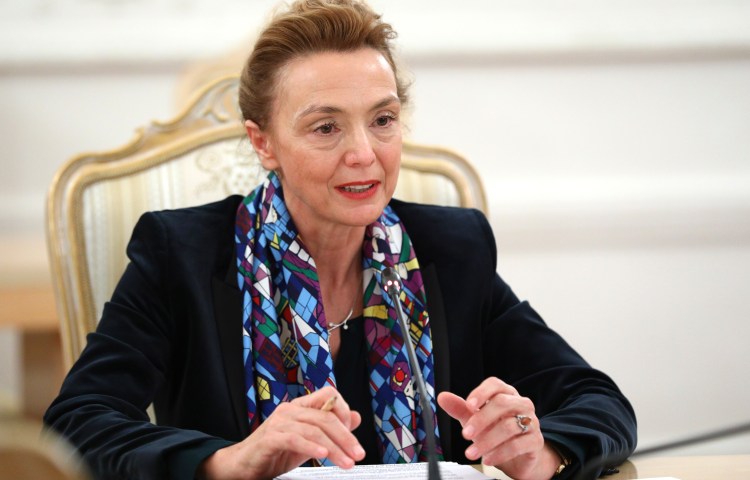
Council of Europe journalist safety platform warns of backsliding press freedom
The Council of Europe Platform for the Protection of Journalism and the Safety of Journalists today published its annual report, “Wanted! Real Action for Media Freedom in Europe.” The report calls on the Council of Europe and its member states to show political will to address deteriorating press freedom in the region, based on an…
CPJ joins letter urging NSO to act on commitments to curb spyware abuse
The Committee to Protect Journalists and eight other civil society groups today co-signed an open letter asking the Israel-based NSO Group company to deliver on its commitments to improve transparency about sales of its advanced spyware, and due diligence to protect human rights. Research by CPJ and other organizations indicates that the company’s Pegasus product…