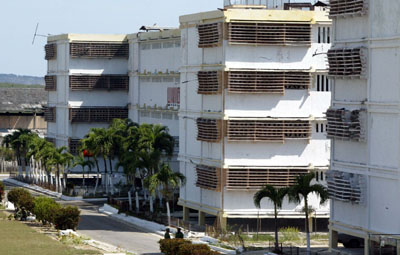
Assisting journalists in Cuba: Hurdles in prison and beyond
In mid-2006, CPJ’s Journalist Assistance program began sending regular remittances to the families of independent Cuban journalists in prison. By CPJ’s count, of the 29 journalists jailed during a massive crackdown in 2003, 24 were still in prison at the time–making Cuba the world’s second-worst jailer of journalists in the world. The remittances, sent monthly,…
Burundi’s journalists and lawyers face intense harassment
It’s possible that no journalist in the world has received more court summonses in recent weeks than Editor Bob Rugurika of Burundi’s Radio Publique Africaine (RPA), a station founded by CPJ award-winner Alexis Sinduhije.On Tuesday, for the fifth time since July 18, Rugurika was interrogated by a magistrate in the capital, Bujumbura, about programs aired…
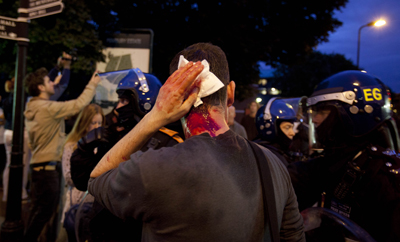
Easy targets, journalists under direct fire in the UK
The safety advisories sent out by the International News Safety Institute on Tuesday said it all: “Bring a mobile phone with emergency numbers pre-set for speed dialling; bring eye protection such as swimming goggles; carry first-aid kits and know how to use them; wear loose, natural-fabric clothing as it will not burn as readily as…
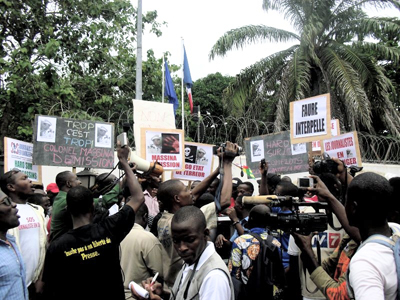
Togo journalists protest purported security threats
Dozens of Togolese journalists marched in the capital, Lomé, on Saturday to call attention to reported allegations that government security agents planned to retaliate against critical reporters. The allegations themselves are in dispute–the government called them “fabricated”–but they are set against a recent U.N. report expressing concern over the official use of arbitrary detention and…
How CPJ began helping journalists with more than letters
By the late ’90s, the Committee to Protect Journalists was solving many of its financial problems and building a strong list of dependable contributors. It became possible to consider expanding our activities. Up to this point we were fighting for a free press around the globe mainly by focusing attention on governments that were imprisoning…
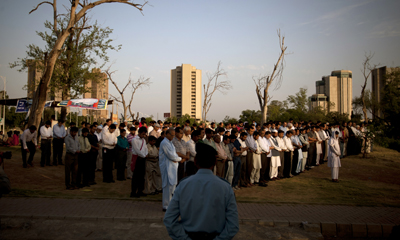
Quantifying the threat to journalists in Pakistan
For many journalists working in Pakistan, death threats and menacing messages are simply seen as part of their job. But since December 2010, CPJ’s Journalist Assistance Program (JA) has processed requests for help from 16 journalists in Pakistan who are dealing with threats. Others have told us of threats they have received in the event…
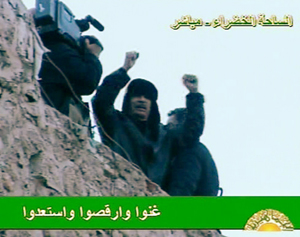
Request to NATO for clarification on Libya TV attack
On July 30, NATO warplanes attacked three transmission towers in Libya. The goal apparently was to knock Libyan state television off the air because, NATO alleged, “it was being used as an integral component of the regime apparatus designed to systematically oppress and threaten civilians and to incite attacks against them.”

Rwandan paper calls president a ‘sociopath’, apologizes
Sometimes when a paper produces a defamatory piece, an apology will be published on page two in the next edition along with the day’s news. In Rwanda, it would appear, a paper will use an entire edition to apologize–if the insults were directed at the president. The latest issue of Ishema, at left, is perhaps a…
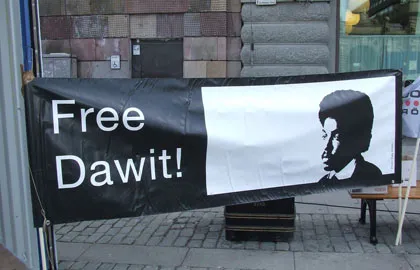
Habeas corpus writ seeks Dawit Isaac, jailed for 3,600 days
Journalist Dawit Isaac, co-founder of Eritrea’s now-defunct leading newspaper Setit, has spent nearly 10 years in one of the reclusive Red Sea nation’s secret prisons with no charges ever placed against him. Isaac’s location and health status are currently unknown, as are those of at least 16 other journalists who CPJ believes are also being…

Afghan journalist’s death is a loss for press freedom
Ahmad Omaid Khpalwak covered violent news. His last two stories for Pajhwok Afghan News, before he died on July 28 in a major attack in Tarin Kot, capital of Uruzgan province, were about an attack on police checkpoints in which both Taliban and police were killed, and an interview with a would-be suicide bomber. Few of…