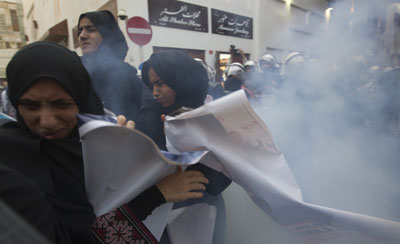
CPJ in joint call for release of bloggers, activists in Bahrain
CPJ is among 50 organizations that have signed a joint letter to Bahrain’s king calling for the release of detained bloggers, activists, and human rights defenders and to drop all charges that violate the right to peaceful expression ahead of the Formula One motor racing event to be held in Manama on April 22.

Statute of limitations, the challenge for Colombian justice
The issue of impunity affects all Colombian citizens’ access to real justice; it is not only a problem for crimes against journalists. Several human rights bodies and non-governmental organizations agree that Colombia dwells in a striking situation of impunity, especially concerning crimes committed during the ongoing armed conflict.

Expelled from Cuba jails, journalists languish in Spain
In 2010, following midsummer negotiations between the Catholic Church and the government of President Raúl Castro, Cuban authorities began releasing imprisoned journalists, sending them into forced exile with their families. In April 2011, the last of more than 20 journalists arrived in Spain. They had been granted liberty and respite, and were promised support from…

Cubans exiled in Spain: Integration or disintegration?
Desperate realities call for hope. It is not just a game of words, because you don’t play with hunger and the future (my own and my family’s). It is about going deeper into another version of circumstances. And seeing the rainbow where others see a gloomy sun and a stubborn and relentless rain.I am writing…

Brazil, Pakistan, India fail test on journalist murders
Brazil, Pakistan, and India–three nations with high numbers of unsolved journalist murders–failed an important test last month in fighting the scourge of impunity. Delegates from the three countries took the lead in raising objections to a U.N. plan that would strengthen international efforts to combat deadly anti-press violence.

Amid Mexican impunity, paper in the crossfire
It was 3 o’clock in the morning on Tuesday, November 15, 2011, when a car stopped in front of the offices of El Siglo de Torreón, the most widely read newspaper in the northern Mexican states of Coahuila and Durango. The driver pulled the vehicle onto the shoulder, stepped out, poured gasoline on it, and…
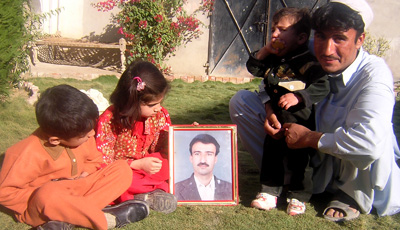
Pakistan’s response to UNESCO shows true colors
In case there was any doubt about the stance of Pakistani authorities on the murder of journalists, UNESCO’s 28th biennial session offered an instructive insight. In addition to discussing the U.N. Draft Plan of Action on the Safety of Journalists and the Issue of Impunity during the meeting, held in Paris in March, member states…
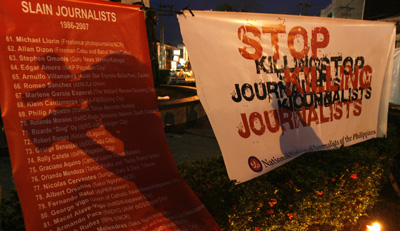

With impunity, more danger ahead for Pakistani press
Pakistani journalists are under threat, and the public is paying the price. The most recent report from the Human Rights Commission of Pakistan includes a detailed chapter on freedom of expression, which ties growing suppression to rising incidence of violence and threats against news media. Not coincidentally, Pakistan sits near the top of CPJ’s Impunity…
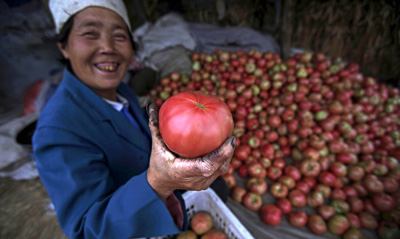
Chinese censors target tomatoes amid Bo Xilai scandal
Chongqing hotpot = King of the Southwest = King Who Pacifies the West = Minister of Yu = Tomato What do these words have in common? They are all coded references to Bo Xilai, the disgraced former Communist Party leader in southwestern Chongqing, and they were all censored in China on Tuesday, according to the…