Afghan journalists in good hands–their own
I’ve been making the rounds of journalists and organizations in Kabul for the last several days. As I mentioned in my last post, I’ve been asked to come up with a support plan for journalists after next year’s presidential elections, the drawdown of international troops, and an expected reduction in international aid.
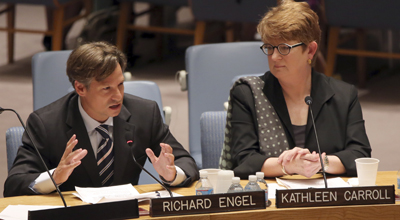
After Security Council, what next for journalist safety?
Speaking at a U.N. Security Council discussion about the protection of journalists, Associated Press Executive Editor and CPJ Vice Chair Kathleen Carroll remembered the 31 AP journalists who have died reporting the news and whose names grace the Wall of Honor that visitors pass as they enter the agency’s New York headquarters. Most were killed…
Mediapart complies with ruling, but vows to fight on
At midnight on Monday, the French news website Mediapart complied with the Versailles court of appeal which last week ordered the site to withdraw articles referring to the Bettencourt recordings–the secret tapings of Liliane Bettencourt, the richest woman in France, by her butler. Mediapart as well as the newsweekly Le Point had been sued for…
Protests in Catatumbo add to risk in Colombia
Reporting from Catatumbo, a region in northern Colombia dominated by guerrillas and drug traffickers, has always been challenging. But working conditions for journalists have seriously deteriorated amid nearly two months of anti-government protests pitting thousands of angry peasant farmers against soldiers and riot police.
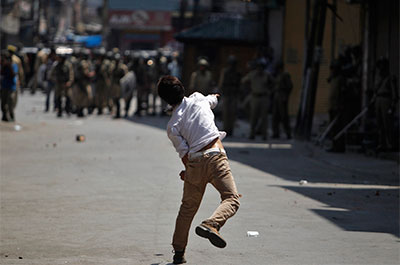
Kashmir’s Internet suspension fits pattern of restrictions
Curbing the flow of information during heightened periods of tension has become routine business by authorities in the northern Indian state of Jammu and Kashmir. Access to mobile Internet service was suspended Thursday after violent protests erupted in the state. Although the service was restored late that night, the episode is another example of the…

Surveillance detection for journalists in the field
Much has been made recently about the digital surveillance of journalists–and rightly so–but physical surveillance remains a key tactic of security forces, law enforcement, and private entities. These operatives are monitoring journalists, gathering intelligence on them, and potentially obstructing journalists’ work or putting them at risk.

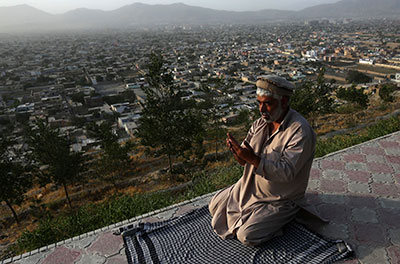
For Afghan journalists, elections, not troops, are key
I’m in Kabul for several days, making the rounds of journalists’ organizations and media houses. My brief is to see what, if anything, can be done to protect journalists after the withdrawal of NATO troops during and after 2014. But “post-2014” has much different connotations for the Afghans with whom I’ve spoken or been in…
Doubts as Sri Lanka says Commonwealth meeting open
As Sri Lanka prepares to host the biennial Commonwealth Heads of Government Meeting (CHOGM) in Colombo in November, some journalists have wondered whether they will be able to access the summit given the island nation’s abysmal press freedom record.