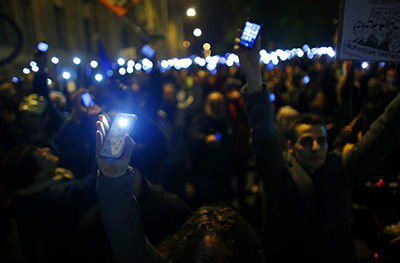
Mission Journal: Creeping authoritarianism in Hungary
On the Buda side of the River Danube stands the glass and steel headquarters of the thriving German-owned entertainment channel RTL. On the Pest side of the Hungarian capital, tucked in a corner of a converted department store, lies the cramped office of struggling online news outlet Atlatszo.
A message from a scared Egyptian journalist
Tamer Abuarab’s article today under the title “A message from a scared person” offers strong insight into why we at CPJ decided to produce our upcoming documentary film, “Under Threat,” and make an appeal for journalists to speak out with the hashtag #EgyptLastWord.

Mission Journal: In Zambia, Sata never fulfilled promise of greater transparency
“We’ll see for ourselves on Friday,” was a refrain on the lips of most journalists I met in Lusaka in mid-September, as they speculated on the health of President Michael Sata ahead of their country’s opening of parliament, where the leader was due to speak.
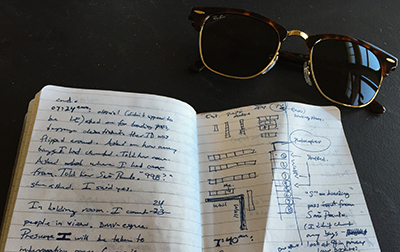
For journalists coming into US, policies border on the absurd
I was only supposed to be in Miami for the briefest of layovers. I was en route to San Francisco from São Paulo in Brazil, where I had participated in the NETMundial Conference on Internet governance along with hundreds of members of civil society, technology executives, journalists, and government officials. It was going to be…
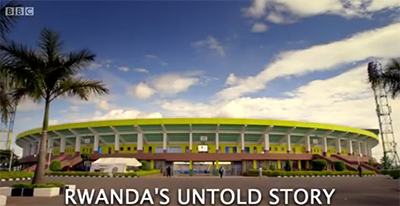
BBC’s Rwanda documentary leads to illogical, illegal suspension
When the BBC released in early October its televised documentary “Rwanda’s Untold Story,” which questioned official accounts of the 1994 genocide, a massive outcry inside and outside Rwanda’s borders ensued. Locals and foreigners alike protested the documentary’s findings, parliamentarians demanded a ban and legal action, and authorities summarily suspended BBC’s vernacular Kinyarwanda news service, the…
Don’t let al-Sisi’s government have Egypt’s last word
“I want to send a message to the world; there is no need for defending honorable Egyptian journalists.” That’s what Egyptian Prime Minister Ibrahim Mehleb said on World Press Freedom Day this year, speaking at Al-Ahram state newspaper. The same day, Al-Jazeera English Bureau Chief Mohamed Fahmy was roaring in an Egyptian court: “I want…
In Reynosa, Mexico, suspected murder of social media user spreads fear
On October 16, photographs of a woman were posted on the Twitter account @Miut3 with an ominous message. “My life has come to an end today. Don’t put your families at risk like I did,” the tweet read. “I’m sorry. I died for nothing. They are closer on our trail than you think.”
Press freedom and the Olympic movement
The guiding document of the Olympic movement is the Olympic Charter, a 105-page compendium of rules and regulations, but also principles and ideals that go far beyond sports. For example, the Olympic Games are intended to foment “respect for universal fundamental ethical principles, non-discrimination, and the educational value of good example.” Under the Charter, host…
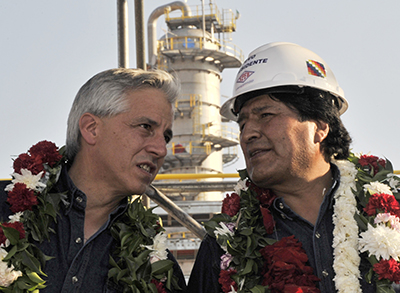
How Bolivia’s vice president used media to control his image–and that of the government
Álvaro García Linera’s savvy use of the media helped him make the leap from Marxist guerrilla to vice president of Bolivia. But critics contend that as the country’s second-highest elected official, García Linera is now using his substantial power to manipulate and control the Bolivian news media.
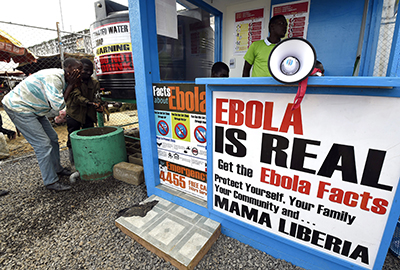
In Ebola-stricken countries, authorities and journalists should work together
The Ebola crisis in West Africa is unrelenting, and journalists on the frontline of reporting on the virus are caught between authorities wanting to control how the outbreak is reported, and falling victim to the disease themselves.