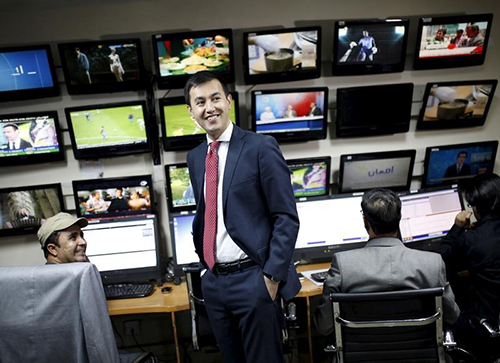
‘We are at a critical juncture,’ Tolo TV’s head of news says after bomb kills seven
For people outside of Afghanistan, the January 20 attack on the Tolo TV van, which killed seven people and wounded about two dozen more staffers, was just one more horrendous event in a series of bombings, military skirmishes, attacks, counter attacks, and standoffs around the country. The attack was widely reported but, for outside observers,…
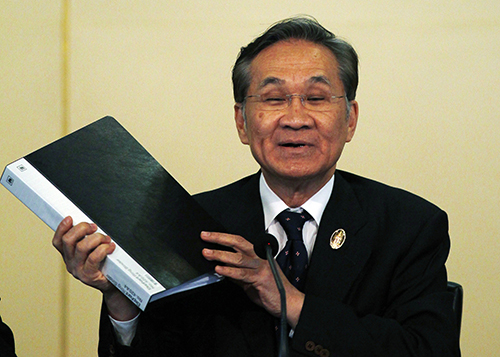
Thailand aims to hollow out foreign press with new visa restrictions
Senior Southeast Asia representative Shawn Crispin this week presented CPJ’s concerns about new media visa restrictions for foreign reporters based in Thailand to a group of Bangkok-based ambassadors. The controversial measures, announced last month by the Ministry of Foreign Affairs, are scheduled to come into force on March 21. The text of Crispin’s speech follows:
Gambia should free ailing, arbitrarily detained journalist
CPJ today joined with Amnesty International and Human Rights Watch to call on Gambia to free Alagie Abdoulie Ceesay, managing director of the independent radio station Teranga FM, who has been charged with sedition and “publication of false news.” Ceesay has been hospitalized twice since the beginning of 2016. Read the full statement here.
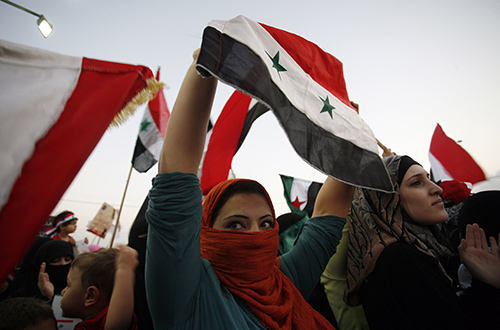
On International Women’s Day, CPJ recognizes nine female journalists jailed for their work
Coverage of protests and riots. Revelations of official corruption and graft. Major natural disasters. Investigations into deplorable living conditions. These are some of the important issues journalists cover in their role as the Fourth Estate.
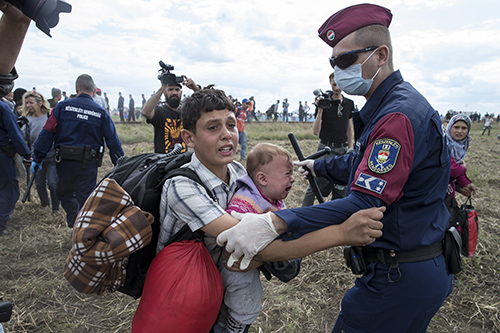
Journalists not welcome: Across Europe, press and migrants increasingly barred
“The press is not allowed in refugee centers.” The message from the Greek government could not have been clearer. “No permission will be given to television crews and reporters to enter such premises that hosts refugees,” Yannis Mouzalas, the minister in charge of immigration policy, said in a February 29 statement. In protest the Pan-Hellenic…
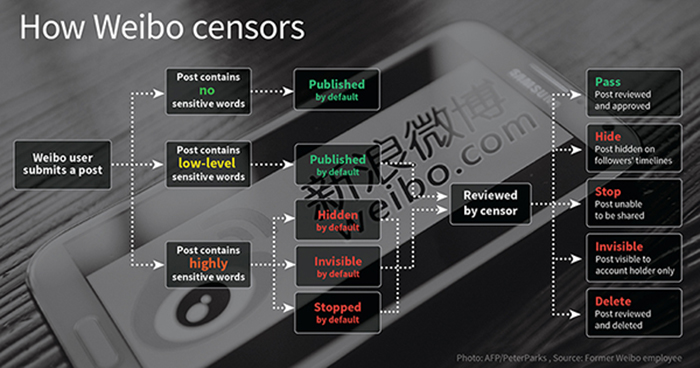
Read and delete: How Weibo’s censors tackle dissent and free speech
The Chinese microblogging site Weibo has a huge following, with around 100 million users posting every day. For those living in China, one of CPJ’s 10 most censored countries, the social network offers the chance to discuss and share news that is often blocked in mainstream outlets.
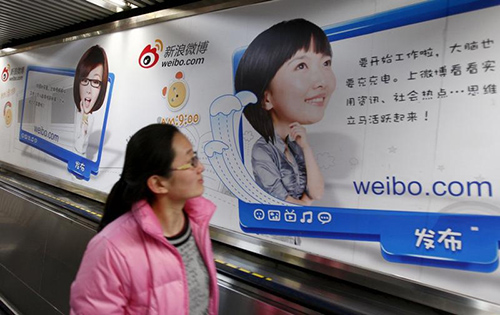
The business of censorship: Documents show how Weibo filters sensitive news in China
When journalists at the Guangdong-based Southern Weekly found that their 2013 new year editorial had been changed, without their knowledge, to exalt the virtues of the Communist Party, they took their outrage to the Chinese microblogging site Weibo.
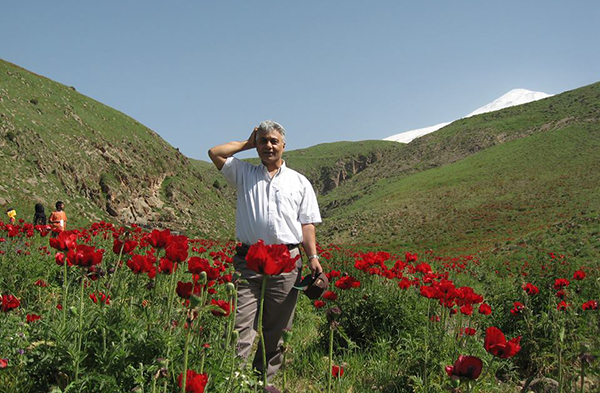
‘Prison is the equivalent of a death sentence for him,’ son of journalist jailed in Iran says
The son of imprisoned Iranian journalist Issa Saharkhiz says his father’s health has deteriorated and he has lost a worrying amount of weight since being sent to Evin prison last November. In an interview with CPJ, Mehdi Saharkhiz said his father, who is due in court this week, has been treated poorly.

After disputed Uganda election, journalists fear prolonged crackdown
Twenty nine-year-old photographer Abubaker Lubowa was excited when he was assigned to cover the campaign of opposition leader Kizza Besigye. He told CPJ he did not anticipate that the assignment would mean he would make the news almost as often as he covered it.
Computer security is necessary for journalist safety
EDITOR’S NOTE: This article was originally published, in Spanish, in El País. This week, journalists, technologists, and other human rights advocates will gather in Valencia, Spain for the Internet Freedom Festival, a multidisciplinary “un-conference” dedicated to fighting surveillance and censorship online. More than 600 people from 43 countries have registered for the festival, which is…