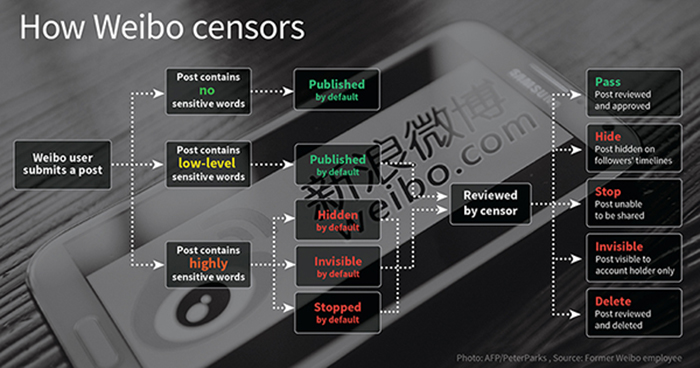
Read and delete: How Weibo’s censors tackle dissent and free speech
The Chinese microblogging site Weibo has a huge following, with around 100 million users posting every day. For those living in China, one of CPJ’s 10 most censored countries, the social network offers the chance to discuss and share news that is often blocked in mainstream outlets.

The business of censorship: Documents show how Weibo filters sensitive news in China
When journalists at the Guangdong-based Southern Weekly found that their 2013 new year editorial had been changed, without their knowledge, to exalt the virtues of the Communist Party, they took their outrage to the Chinese microblogging site Weibo.
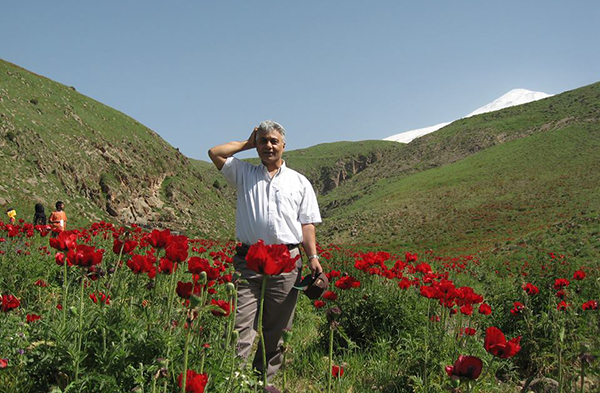
‘Prison is the equivalent of a death sentence for him,’ son of journalist jailed in Iran says
The son of imprisoned Iranian journalist Issa Saharkhiz says his father’s health has deteriorated and he has lost a worrying amount of weight since being sent to Evin prison last November. In an interview with CPJ, Mehdi Saharkhiz said his father, who is due in court this week, has been treated poorly.

After disputed Uganda election, journalists fear prolonged crackdown
Twenty nine-year-old photographer Abubaker Lubowa was excited when he was assigned to cover the campaign of opposition leader Kizza Besigye. He told CPJ he did not anticipate that the assignment would mean he would make the news almost as often as he covered it.
Computer security is necessary for journalist safety
EDITOR’S NOTE: This article was originally published, in Spanish, in El País. This week, journalists, technologists, and other human rights advocates will gather in Valencia, Spain for the Internet Freedom Festival, a multidisciplinary “un-conference” dedicated to fighting surveillance and censorship online. More than 600 people from 43 countries have registered for the festival, which is…
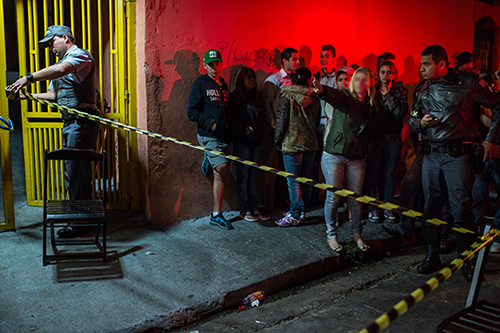
Amid rising violence in Brazil, convictions in journalists’ murders are cause for optimism
Justice delayed is justice denied, goes the legal maxim, and that has all too often been the case in Latin America. But the perseverance of lawyers and prosecutors in Brazil has resulted in a number of recent convictions in cases many thought had been buried or forgotten.
Slideshow: Remembering Avijit Roy, one year after blogger’s murder in Dhaka
On the day Avijit Roy was murdered in Bangladesh’s capital, Dhaka, I had only just left the country. When I arrived in India later that day a Bangladeshi journalist broke the news to me that Roy had been hacked to death and his wife Rafida Ahmed Bonya, also a blogger, had been critically injured.
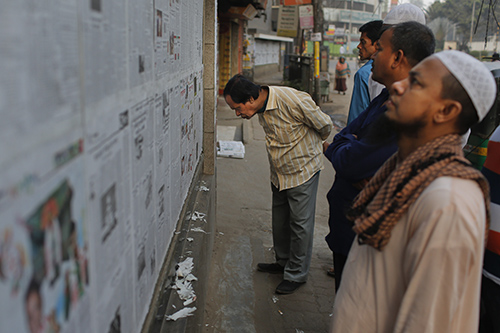
79 cases and counting: Legal challenges pile up for Daily Star editor who admitted error in judgment
When Mahfuz Anam, editor of one of Bangladesh’s most respected newspapers, admitted recently to a lapse in editorial judgment several years ago, he could not have predicted the legal backlash that would ensue. Anam’s admission that he published unsubstantiated information accusing Prime Minister Sheikh Hasina of corruption has led to a barrage of defamation and…
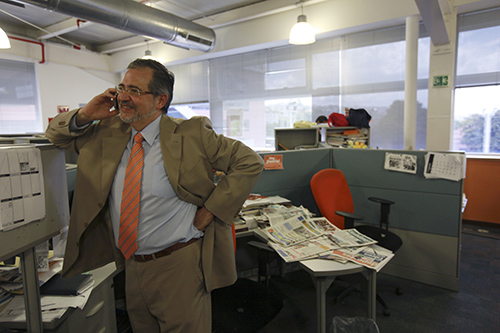
Last critic standing: How El Nacional defies challenges to keep publishing
Patricia Spadaro, news editor at the Caracas daily El Nacional, faces daunting challenges in putting out the newspaper. Her boss, El Nacional’s president and editor Miguel Henrique Otero, has been living in exile since May 2015 after a top government official accused him of defamation. Amid the country’s deep economic crisis, half of Spadaro’s reporters…
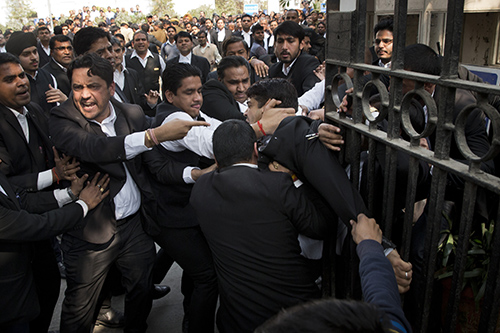
Court reporters beaten by lawyers in latest attack on press freedom in India
Attacks this week against journalists covering a high-profile sedition case have heightened concerns about the state of press freedom in India. CPJ has reported frequently on journalists there coming under attack from police, criminals, politicians, and others. Now lawyers have to be added to the list.