Sri Lankan journalist Freddy Gamage back in hospital, still under threat
Back on June 3, we called for “a thorough investigation into an attack” on Freddy Gamage, a muckraking editor and blogger for Meepura.com (and in Sinhala). At the time, the government promised on its official website that it “would never again allow media suppression, which prevailed during the past, to reoccur.” Prime Mister Ranil Wickremesinghe…
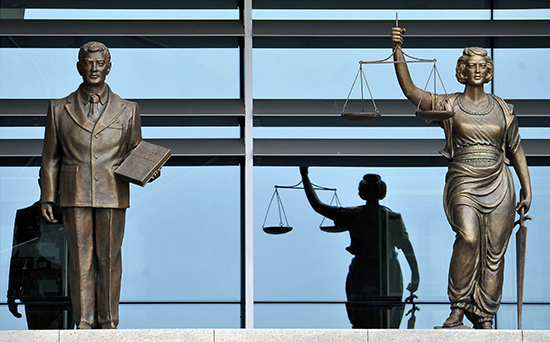
Turkey Crackdown Chronicle: Week of June 12
Constitutional Court rejects journalist’s appeal Turkey’s Constitutional Court today ruled that journalist Mehmet Baransu’s constitutional right to freedom of expression and the constitution’s guarantees of press freedom were not contravened in the journalist’s March 2015 arrest in connection with in an alleged, elaborate conspiracy codenamed “Sledgehammer.” The same court in May 2016 rejected his petition…
Bangladesh should take urgent steps to protect freedom of expression
The U.N. Human Rights Council will convene in Geneva for its next session today. Ahead of this meeting, international groups working on press freedom and freedom of expression, including the Committee to Protect Journalists, made a joint submission to the council calling for urgent and concrete steps to reverse the deteriorating climate for free expression…
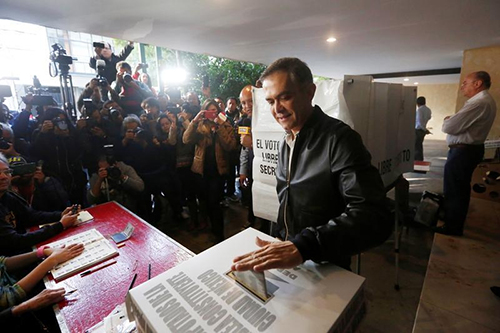
In Mexico, covering state elections brings risk of threats and violence
As the June 5 elections approached, the anonymous phone calls to Mexican journalist Pedro Canché became more frequent and more ominous. “The Caribbean is a big sea, you’ll never be found,” one said. “I hope you’ve written a will,” said another. A third caller told Canché, “Remember what happened to Rubén Espinosa,” referring to the…
Infographic: Islamic State’s assault on the press
When Mosul fell to Islamic State on June, 10, 2014, it sparked one of the biggest attacks on press freedom in recent times. Newspapers were shuttered, TV channels were ransacked, radio stations disappeared from the airwaves, and dozens of journalists vanished. Within days, the militants had a monopoly on information output.
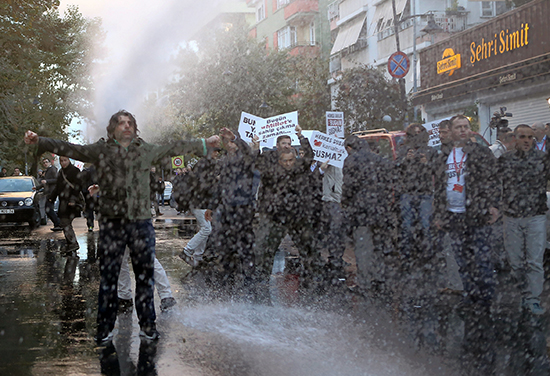
Turkey Crackdown Chronicle: Week of June 5
Provincial officials ask journalists to submit to prior censorship: report Top officials in southeastern Turkey’s Gaziantep province, near the Syrian border, on June 1 convened local journalists to ask them not to report on “the bad things happening in the city,” and to submit their stories to a group on the messaging service WhatsApp which…
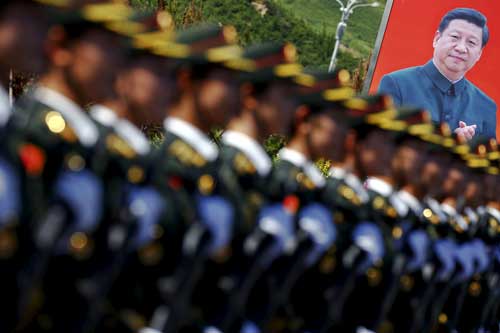
In China, more journalists–even former ones–vulnerable to government wrath
Most of the journalists imprisoned in China reported or commented on issues that the Chinese government finds threatening to its rule. They were likely aware that their work could invoke the wrath of the Chinese Communist Party at any time, but still choose to go ahead for the sake of truth and the public interest.…
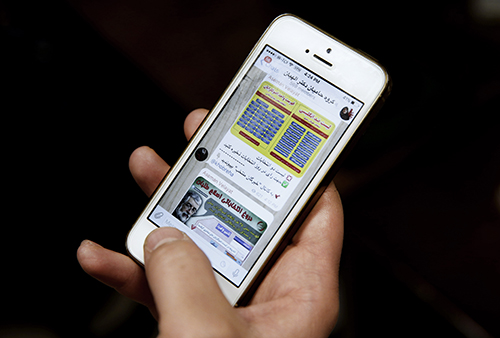
Why Telegram’s security flaws may put Iran’s journalists at risk
The mobile messaging app Telegram is popular in Iran, where citizens who have limited access to uncensored news and mainstream social media sites, such as Facebook and Twitter, use it to share and access information. But the app’s estimated 20 million users in Iran, including those who use Telegram to report and communicate with sources,…
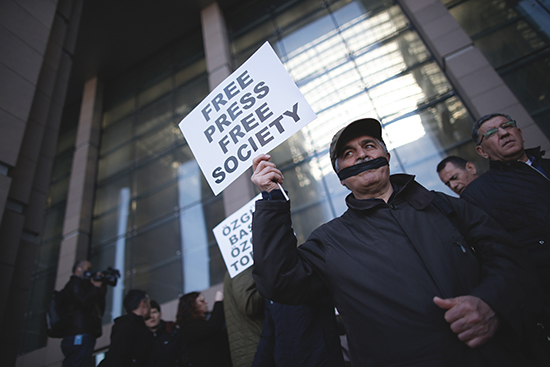
Turkey Crackdown Chronicle: Week of May 29
Turkish journalists launch solidarity campaign for jailed colleagues The Free Journalists Association (ÖGC) on Thursday afternoon held a press conference in front of Istanbul’s Diyarbakır courthouse to announce a new campaign to show solidarity with their jailed peers. ÖGC co-chairs Nevin Erdemir and Hakkı Boltan read aloud a list of 46 detained journalists whose trials…
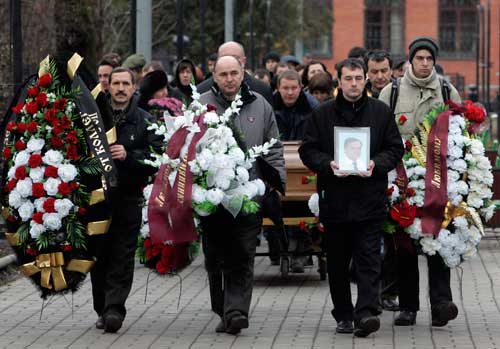
Global Magnitsky Act could be powerful weapon against impunity in journalist murders
Last week, the proposed Global Magnitsky Human Rights Accountability Act emerged from the U.S. House Foreign Affairs Committee with approval. The bill was passed by the Senate last year. If passed by the full House of Representatives and signed into law by the president, it has the potential to offer partial redress to one of…