Features & Analysis
2012
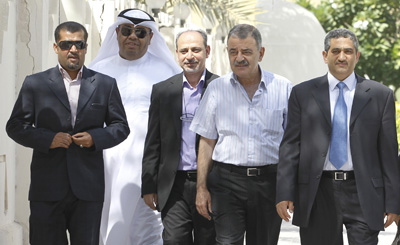
A year of repression: Bahrain continues crackdown on press
In the year since peaceful protests began in Bahrain on February 14, 2011, the government has targeted the press corps with assault, detention, harassment, and torture to obstruct their coverage. My organization, the Gulf Centre for Human Rights, has documented a systematic campaign by authorities to silence coverage of our country’s unrest. Here are just…
Old issues, new debates on Internet freedom in India
Just how free should the Internet be in India? And whose job is it to police the Web? Two recent court cases turn on these questions and, more specifically, whether Internet companies have a responsibility to filter content. In a country where Internet usage is growing exponentially, but where the scars of communal violence, terrorism,…

India: Let us in!
In 2005, we deliberately violated the immigration laws of India. We broke the law by producing a documentary film even though we had entered the country on a tourist visa. We broke the law because we wanted to show that Scandinavian companies were in violation of many other laws in India.

In high-tech China, low-tech media control works too
China’s investment in high-tech Internet surveillance technology is well known, and the byzantine rules of its Central Propaganda Department have inspired books and academic treatises. But among the many tools in the box for media control, there’s one that’s very simple and low-tech: Keep journalists away.

Rousseff quiet as Cuban blogger denied travel to Brazil
The response from Cuban officials did not take anyone by surprise. Prominent Cuban blogger Yoani Sánchez had been, once again, denied permission to leave her country after she was granted a visa by the Brazilian Embassy in January to attend a film festival. “I feel like a hostage kidnapped by someone who doesn’t listen nor…
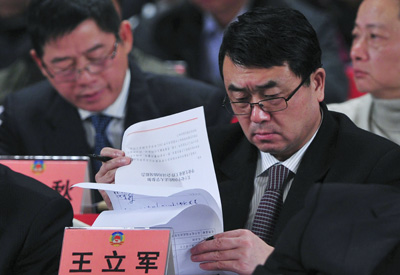
Chinese media little help with Chongqing mystery
The website of Xinhua News, China’s state media flagship, leads today with EU’s threats of sanctions against Syria. Elsewhere on their Chinese-language site, one can read about Wen Jiabao’s remarks to the visiting Canadian prime minister, or look at photos of pretty white ladies lounging around, if that’s your style.
What’s behind India’s Internet censorship?
We have been posting a lot about the challenges facing the Internet in India recently–see Mannika Chopra’s “India struggles to cope with growing Internet penetration.” On Tuesday, Angela Saini, a guest blogger on The Guardian’s Comment Is Free site, posted “Internet censorship could damage India’s democracy,” with the subhead “Google and Facebook have been asked…
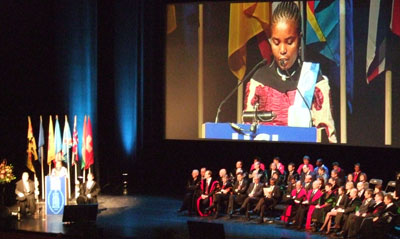
DRC journalist Solange Lusiku honored for fortitude
Seated near the fireplace in a historical home in Tournai, a medieval town 70 miles from Brussels and a stone’s throw from the French border, while snow fell outside, Solange Lusiku Nsimire was enjoying not only the company of friends, but the chance to live for a few days without fearing suspicious noises in the…
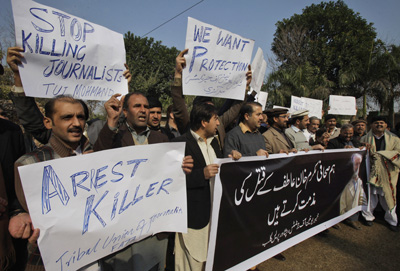
Pakistan’s Abbas: Journalists hostage to ‘power of gun’
CPJ award winner Mazhar Abbas penned a strong Sunday op-ed piece, “Death is the only news–Challenges of working in conflict zones,” for The News. It’s about conditions for journalists working in Pakistan’s Federally Administered Tribal Areas (FATA) and Baluchistan. As Abbas says, “The killing of one journalist is a message for another.” He goes on…