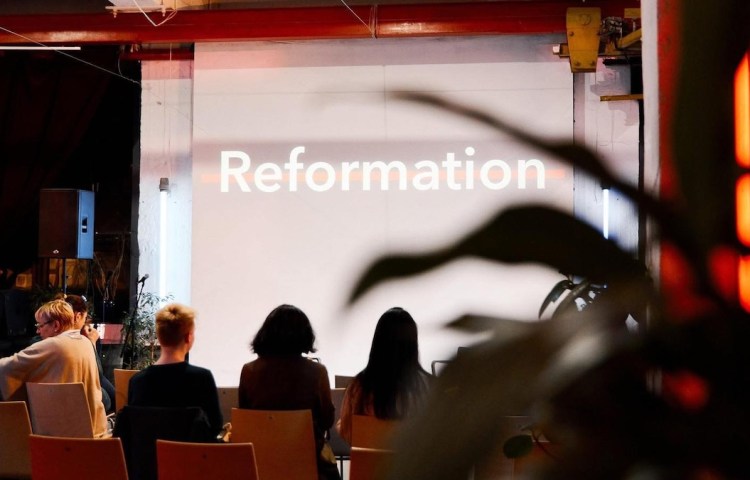
7 exiled Belarusian media sites hit by DDoS attacks
Websites of at least six exiled Belarusian news outlets and one journalists’ association have been targeted since March by distributed denial-of-service (DDoS) attacks, which aim to overwhelm websites with floods of internet traffic. Staff at several of the affected outlets said the increasingly frequent attacks appear to extend a pattern of transnational repression linked to…

More than a dozen South African journalists targeted as anti-migrant deadline looms
South African journalist Sakhiseni Nxumalo was reporting on an anti-migrant march, which turned into a deadly attack on foreign nationals, when he himself became a target because of his dark skin. He is one of at least 15 journalists targeted in South Africa in recent months, CPJ’s reporting found. Nxumalo, who works for the digital…
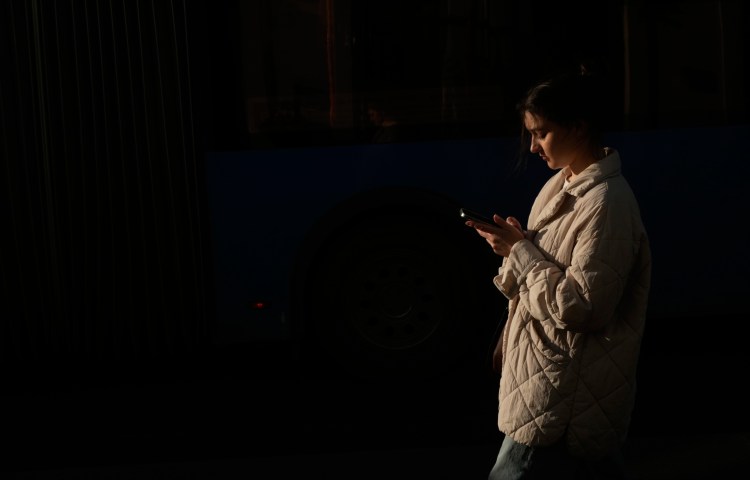
Russian independent journalists fear MAX app, new online restrictions will hinder reporting
As Russian authorities tighten the screw on popular messaging app Telegram and promote a state-backed “super app” that observers say could act as a surveillance tool, independent journalists and media outlets inside and outside Russia say it will become more difficult to report stories securely and stay connected to audiences. President Vladimir Putin is pushing…
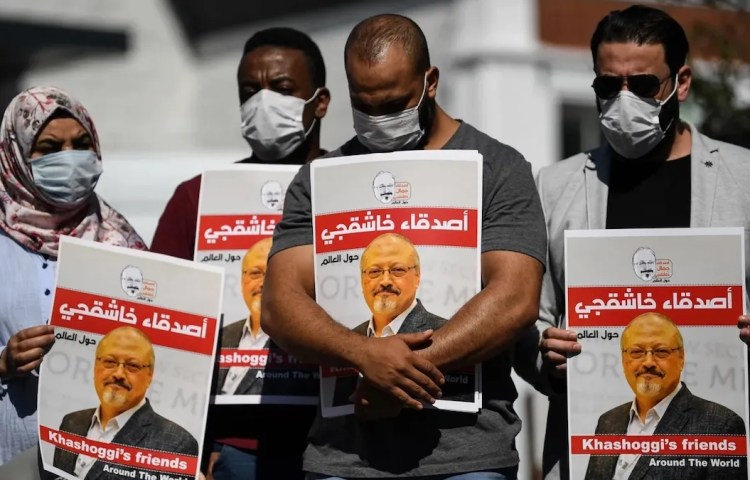
World Refugee Day 2026: Supporting journalists in exile amid transnational repression
World Refugee Day draws attention to journalists who have been forced to flee their home countries due to threats, conflict, or repression. While exile is now recognized as a growing reality for journalists worldwide, the experiences of journalists CPJ supported last year reflect the reality that relocation does not necessarily bring safety. Increasingly, journalists in…
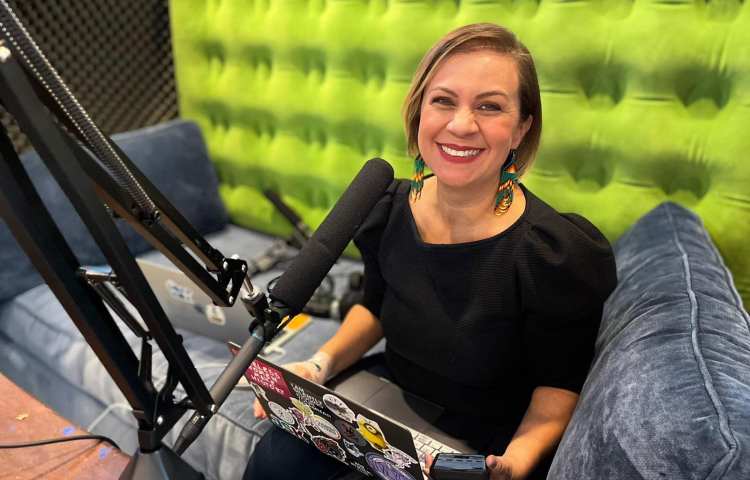
News leader Maritza Félix on covering immigration in Arizona
Since President Donald Trump’s return to office, immigration enforcement in the United States has accelerated sharply, creating new and serious obstacles for journalists covering these policy impacts on local communities. The Committee to Protect Journalists has documented the use of immigration authorities to target reporters, including journalists who were in the country legally at the…

These 6 foreign journalists have been denied entry by Israel
When French journalist Alice Froussard landed at Tel Aviv’s Ben Gurion Airport a week ago, she arrived with a valid travel authorization and plans to report from the occupied West Bank, where she had worked for years. By the next morning, Israeli authorities placed her on a flight back to Paris, denying her entry. She…

Under Ghana’s President Mahama, near-total impunity for attacks on 17 journalists
When Ghana’s President John Dramani Mahama took office in January 2025, pledging to restore “an era of true media freedom,” journalists had reason to hope that attacks on the press would be taken more seriously than before. But during Mahama’s tenure, CPJ has documented eight separate incidents in which at least 17 journalists were attacked…
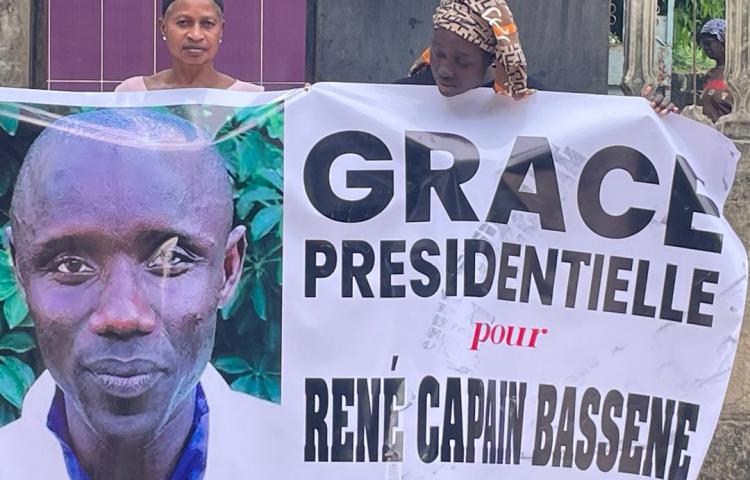
EXCLUSIVE: Senegal’s grave miscarriage of justice in the case of René Capain Bassène
Journalist René Capain Bassène devoted his career to restoring peace to Senegal’s troubled Casamance region. The government accused him of being a rebel who ordered the murder of 14 men and jailed him for life. Now a rebel leader and a U.S. diplomat involved in peace negotiations have refuted the prosecution’s fundamentally flawed theory. The…
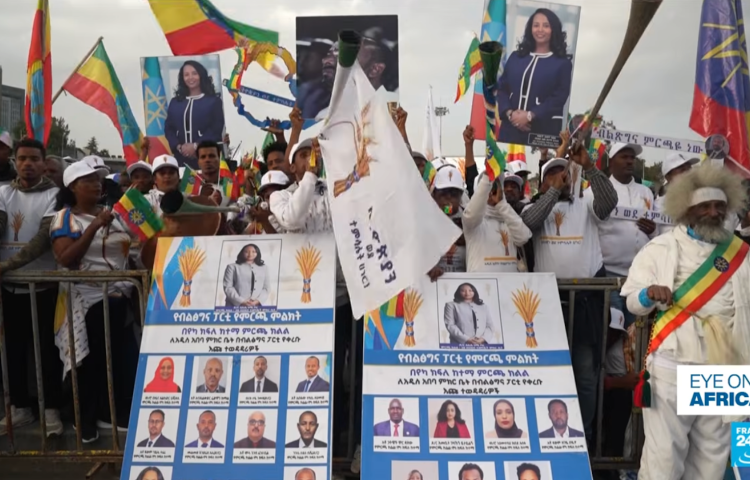
‘Under the shadow of fear’: censorship is Ethiopia’s real election story, journalists say
In the countdown to Ethiopia’s general election, journalist Bewket Abebe flew to the northern border town of Humera, in a rare attempt at on-the-ground reporting ahead of the June 1 vote. Bewket, chief editor of The Reporter Magazine, was scheduled to meet the administrator of the contested territory, which is claimed by both Tigray and…
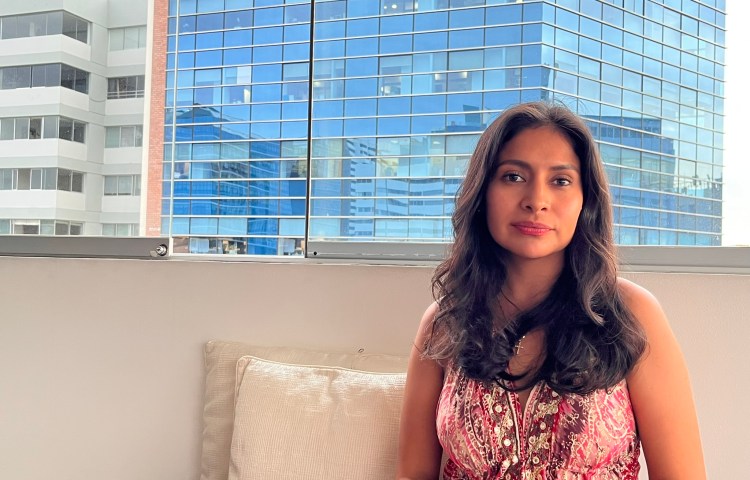
Peruvian journalists face threats, death amid country’s democratic backsliding
Peruvian journalist Geraldine Santos is only 30 years old, and she is already preparing for her funeral. Santos says she has received so many threats while reporting on cocaine trafficking and environmental crimes in the Amazon jungle that she has arranged for her family to contact a government source who, in case Santos is murdered,…