Kyrgyzstan no ‘island of democracy’ as it censors the press
Kyrgyzstan is an “island of democracy” where authorities guarantee freedom of speech and reporting on protest rallies is not a crime, Kyrgyz government officials told an audience. They were speaking at a May 26 round-table discussion at the Open Society Institute in New York. CPJ vehemently disagreed. We had reported on the ongoing prosecution of…
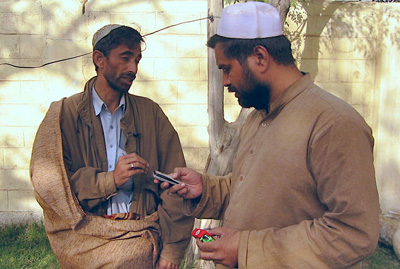
How can Pakistani journalists protect themselves?
The memorial service in Washington for journalist Saleem Shahzad–who was killed around May 29–was held at the National Press Club this past Monday. Anwar Iqbal, dean of the Pakistani press corps in Washington, led the ceremony. Ambassador to the U.S. Hussain Haqqani spoke eloquently about the degree of loss brought by Shahzad’s brutal killing. While…
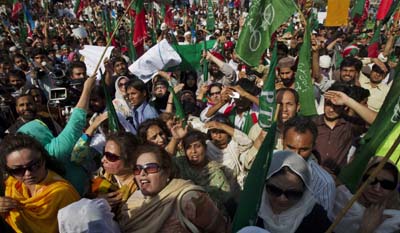
In journalist security field, maturing and understanding
Journalist security is still a maturing field, but news organizations are devoting more attention to preparing their reporters and photographers for the dangers particular to the profession. That means understanding risks that are constantly evolving. The brutal attack on CBS correspondent Lara Logan at a Cairo demonstration has drawn worldwide attention to the issue of…
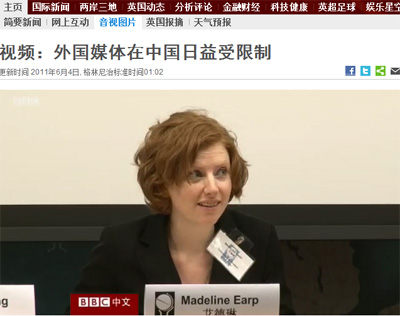
Chinese media freedom in a ‘sensitive’ period
I was in London on Friday, speaking at a seminar joint-hosted by the BBC Chinese service and the British think tank Chatham House called “Media Freedom in China and the Role of International Broadcasters.” There was a lot of impassioned discussion about the range of challenges facing international broadcasters, from slashed budgets to the recent…
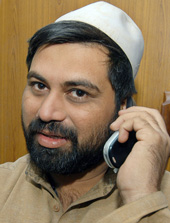
Justice for Saleem Shahzad? We’ve seen this before…
An important distinction is emerging in the murder of Saleem Shahzad, at left, as details of a second post-mortem were released Thursday. Shahzad was not tortured as has been widely reported. He was more likely beaten to death fairly quickly, apparently with iron rods, according to media reports. Here’s the highly respected Amir Mir, writing…
Rising anger amid accusations about who killed Shahzad
Just a few pointers to the angry discussion that is going on among Pakistan’s journalists about the killing of Saleem Shahzad. The Inter Services Intelligence Directorate (ISI) seems to have emerged as the prime target of accusation, but it has rejected claims of any involvement.In an Associated Press of Pakistan article Tuesday slugged “Salim Shahzad…
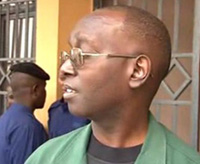
Journalist freed in Burundi vows to keep reporting, carefully
As recently as April, the state prosecutor in Burundi demanded journalist Jean-Claude Kavumbagu be put away for life. But just a month later, Africa’s only jailed online journalist was a free man. A relentless international campaign by press freedom groups, human rights activists and Western governments had paid off.
A friend remembers Saleem Shahzad
When I received an unexpected call early Monday morning from Saleem Shahzad’s wife, I knew I was in for some bad news.”Saleem has not come home since Sunday evening, when he was on his way to a television studio,” she said. She told me that she then remained as composed as possible until she received…
