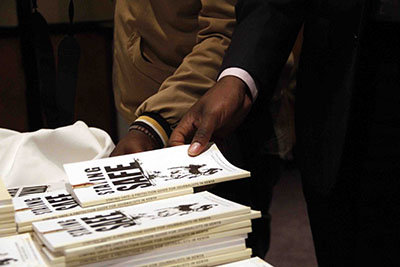
Kenyan journalists, CPJ launch new initiative to improve security
Today, the Committee to Protect Journalists in collaboration with local media organizations launched a journalist security guide and protocol designed specifically for the Kenyan press. The initiative stems from research conducted in 2013 by the same group of organizations, the Kenya Media Working Group, in light of acute and unique security challenges for the Kenyan…
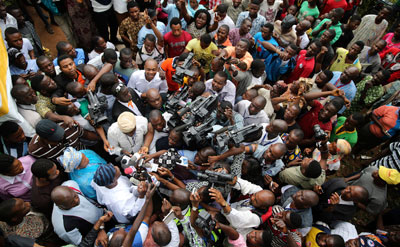
As elections approach, fear of more attacks on Congolese press
Map by Rachael Levy. Sources: Congolese organizations, news reports, and CPJ research. Not all data has been independently verified by CPJ. Tensions are rising in the Democratic Republic of the Congo after a government official announced recently he would support a change in the constitution to allow President Joseph Kabila, who has been in power…
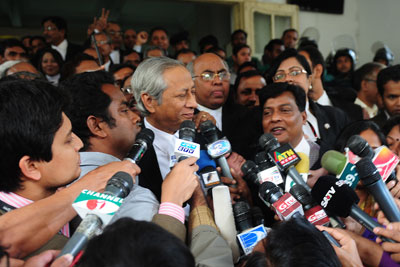
Restrictive broadcast policy in Bangladesh raises concerns
This week, Prime Minister Sheikh Hasina’s cabinet approved a restrictive policy governing Bangladesh’s broadcast media. While the policy calls for the creation of an independent commission to oversee electronic media–a positive step, in principle–it’s unclear how and how quickly the commission will be formed. Meanwhile, the policy restricts what can be broadcast, raising red flags.

Q&A: Pakistan’s Hamid Mir speaks about climate for press freedom following attack
In April, Geo News senior anchor Hamid Mir was shot multiple times shortly after a CPJ delegation met with Prime Minister Nawaz Sharif, who pledged to take several steps to improve journalist security. The investigation into the attack has yielded no accountability. And since the attack, two arrest warrants have been issued by courts in…
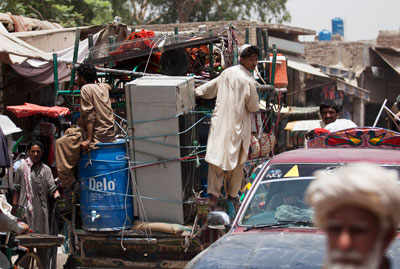
Blasphemy charges, threats loom for outspoken journalist in Pakistan
Forty-nine year-old magazine editor and publisher Shoaib Adil fled his home in the eastern city of Lahore last month and went into hiding with his wife and children. Adil faces threats and possible charges of blasphemy–a crime punishable by life imprisonment or death–in connection with a book he published in 2007, written by a judge…

First US-Africa summit short on press freedom, other human rights
Top African and U.S. leaders are meeting next week in Washington in a first-of-its-kind summit focused on African development. But critics argue the summit is flawed in design, overlooking human rights such as freedom of expression and barring civil society actors from bilateral discussions.
No press freedom without Internet freedom
Four years ago, when CPJ launched its Internet Advocacy program, we were met with lots of encouragement, but also some skepticism. “Why do you need a program to defend the Internet?” one supporter asked. “You don’t have a special program to defend television, or radio, or newspapers.” But the Internet is different. Increasingly, when it…