2020
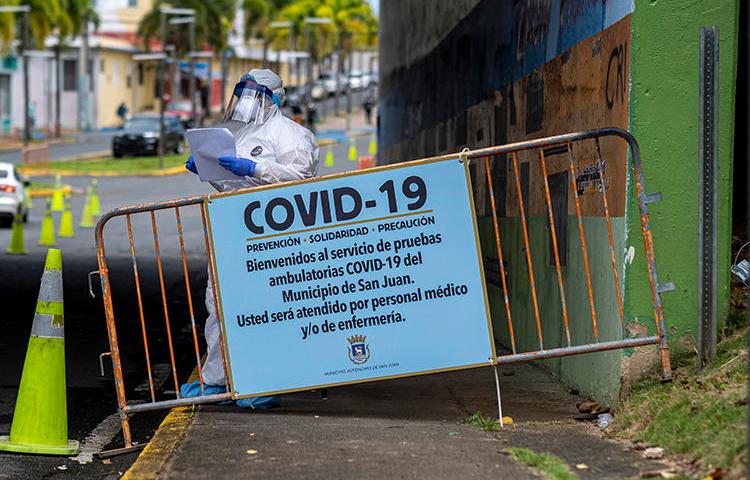
New Puerto Rico law threatens jail time for spreading ‘false information’ about COVID-19
Washington, D.C., April 8, 2020 — Puerto Rican authorities should guarantee that journalists can cover the COVID-19 pandemic without fear of government retaliation, the Committee to Protect Journalists said today.
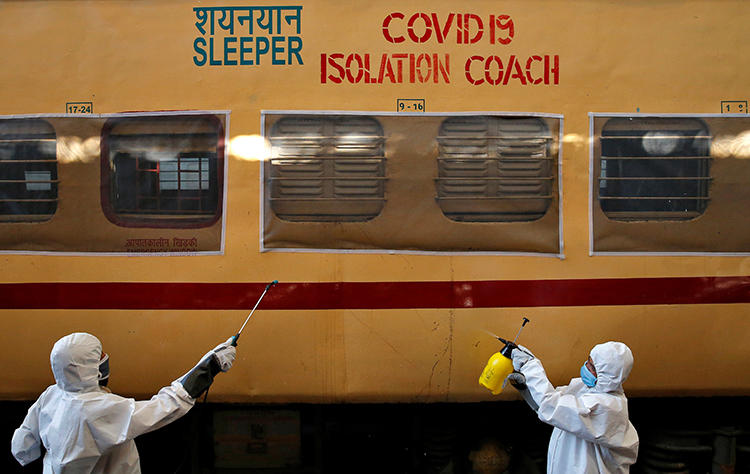
Indian journalist Vidya Krishnan on navigating harassment and government obstruction while covering COVID-19
Vidya Krishnan, a freelance reporter who has covered healthcare in India for 17 years, says she has never seen the kind of harassment and threats that health reporters have received while covering COVID-19.

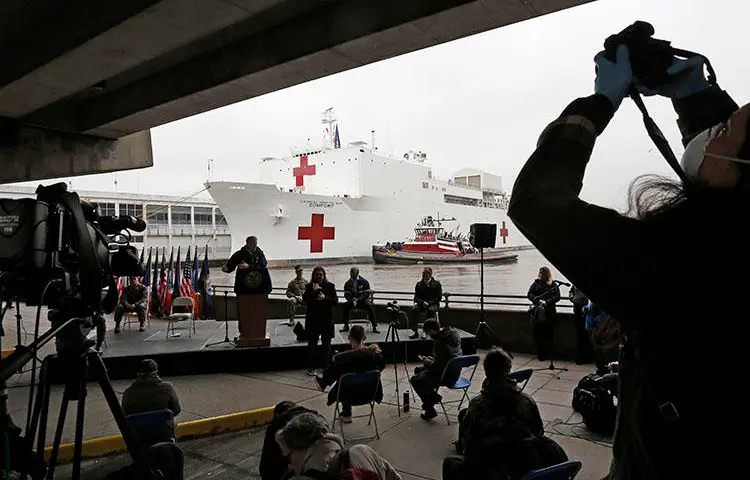
Speed, Clarity, Context: The New York Times’ Billie Sweeney on editing ‘Coronavirus Live Update’
In early February, only eight weeks ago but in a parallel universe that no longer exists, I invited Billie Sweeney, a senior staff editor at The New York Times, to tour the new CPJ office and visit with old friends. For nine years, from 2004 to 2013, Billie worked as CPJ’s editorial director, overseeing all…

Somali journalist Abdalle Ahmed Mumin says there is ‘nobody to trust’ for COVID-19 information
Somali freelance journalist Abdalle Ahmed Mumin has covered the news for 17 years, spending much of that time in one of the most dangerous places in the world to work as a journalist. Since CPJ started keeping records in 1992, at least 69 journalists have been killed in Somalia for their work.
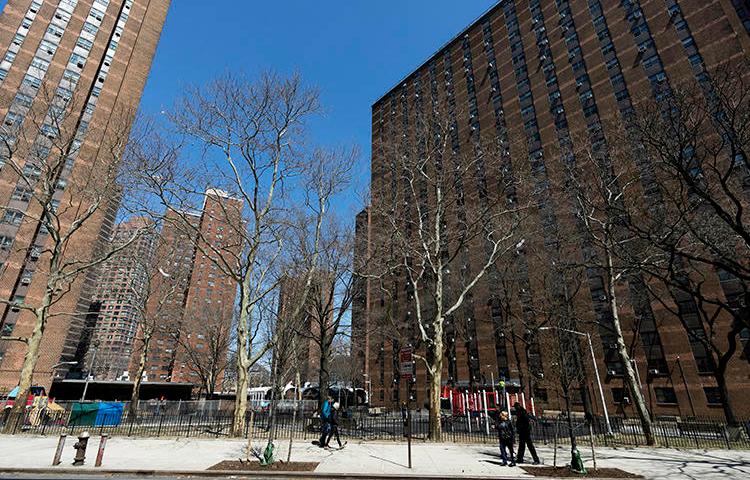
Covering COVID-19 as a housing reporter in New York City
For Sadef Ali Kully, a housing and land use reporter for the nonprofit news outlet City Limits, meeting with sources in-person was an integral part of covering her beat in New York City. However, with the advent of the COVID-19 pandemic, Kully has needed to rethink how to perform the basics of her job.
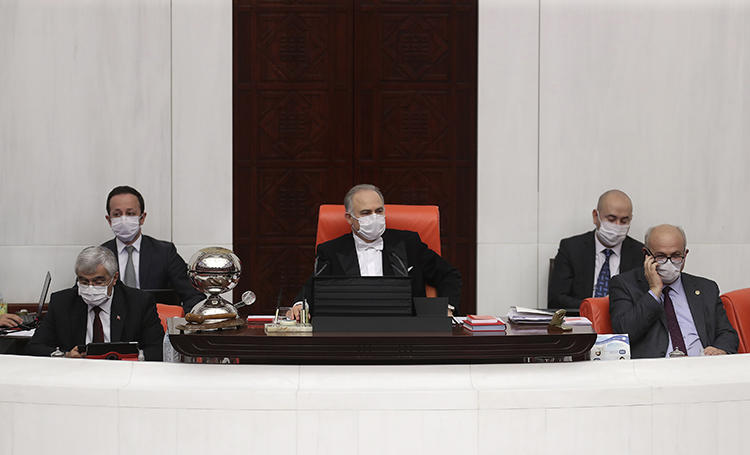
Turkey amnesty bill would release 90,000 prisoners, but no journalists
New York, April 7, 2020 — In response to the Turkish Parliament’s proposed bill that would release 90,000 prisoners to limit the spread of the COVID-19 virus, but which would not free journalists held as political prisoners, the Committee to Protect Journalists issued the following statement:
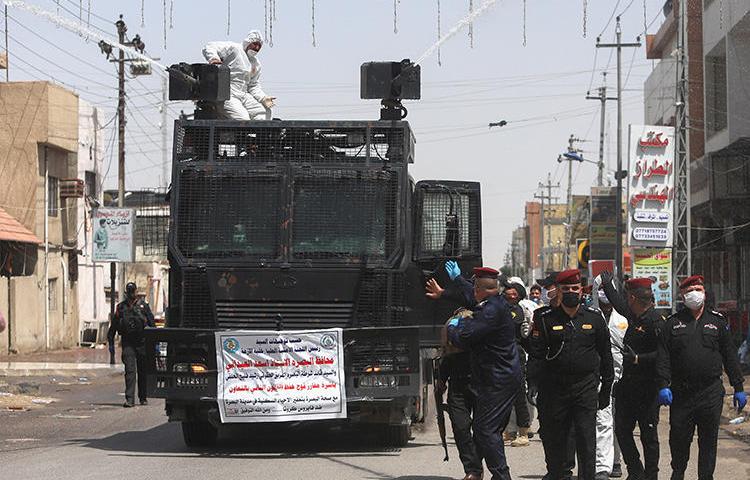
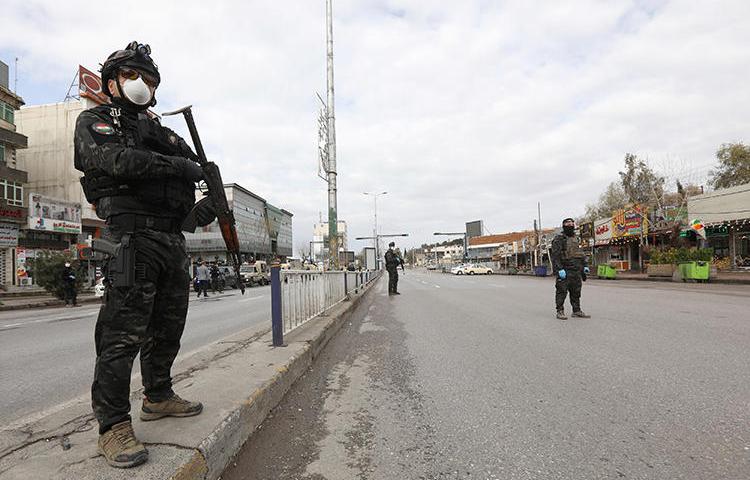
Iraqi security forces beat journalist Mohamed Kader al-Samarrai at COVID-19 checkpoint
On March 31, 2020, two officers of the Iraqi Police Sixth Emergency Regiment assaulted Mohamed Kader al-Samarrai, director of the local broadcaster Al-Maliyah TV, after stopping him at a checkpoint to enforce the country’s COVID-19 curfew, according to a Facebook post by al-Samarrai and reports by the National Union of Journalists in Iraq and the…