


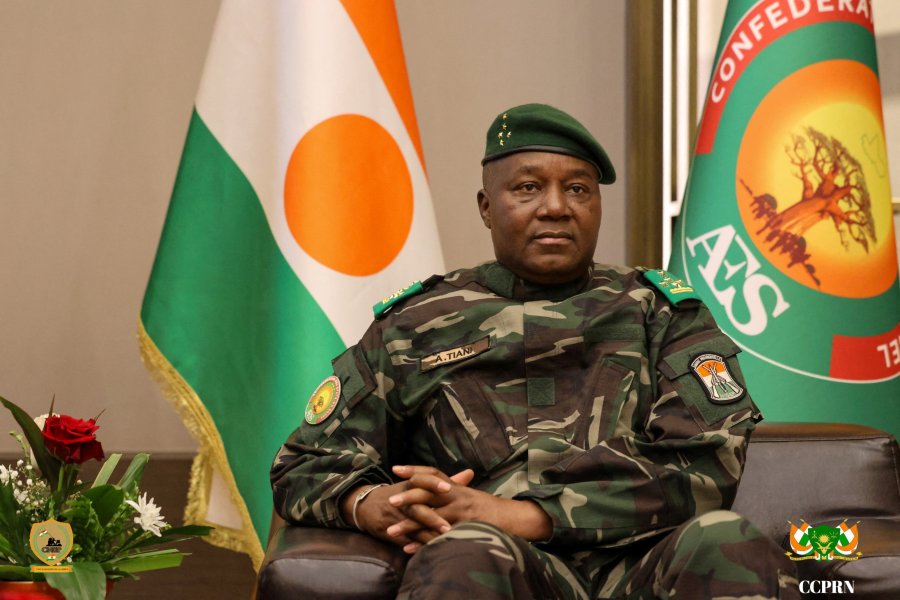
Dakar, May 15, 2026—The Committee to Protect Journalists calls on authorities in Niger to reverse the suspension of nine France-based news outlets and to release all four journalists jailed since last year.
The affected outlets are state-funded broadcasters France 24 and Radio France Internationale (RFI), Agence France-Presse (AFP) news agency, TV5Monde network, the pan-African weekly Jeune Afrique, the independent investigative outlet Mediapart, the privately owned news channel TF1 Info, and the online outlets LSI Africa and France Afrique Média.
“Niger’s new media regulator, which is supposed to safeguard press freedom, is already proving a disappointment. By suspending major news outlets, it is cementing a wave of media repression unfolding across the Alliance of Sahel States,” said Moussa Ngom, CPJ’s Francophone Africa representative. “Nigerien authorities should immediately allow the nine suspended outlets to reach audiences in the country and cease their other censorship strategy of detaining journalists.”
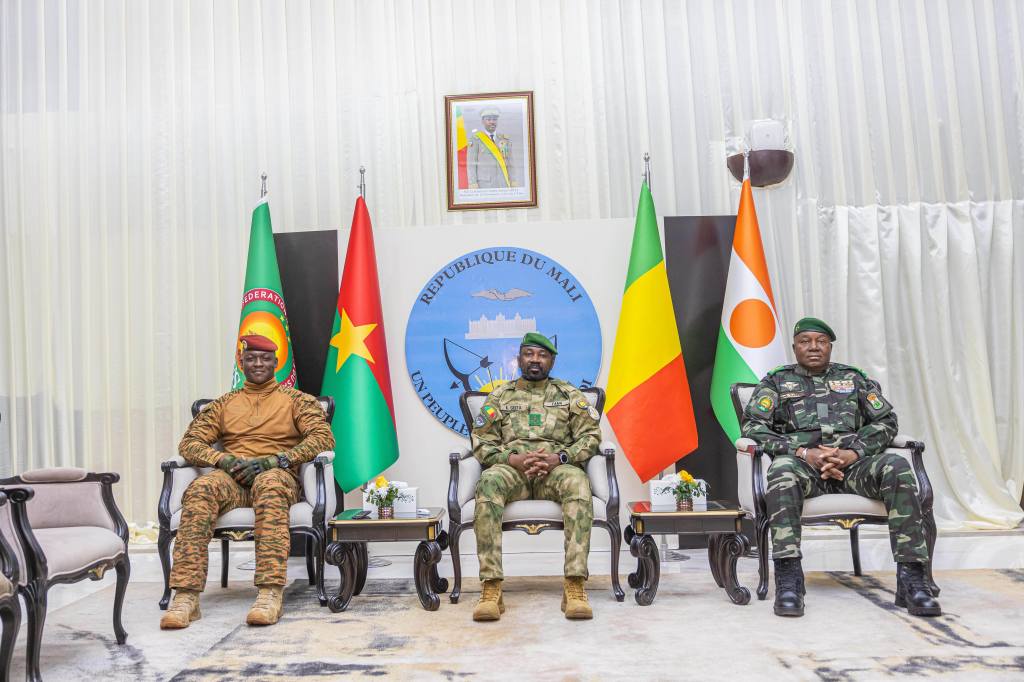
Following military coups, Niger and neighboring Mali and Burkina Faso expelled French troops from their territories, turned to Russia for military support, and formed the Alliance of Sahel States to fight al-Qaeda and Islamic State-linked extremists.

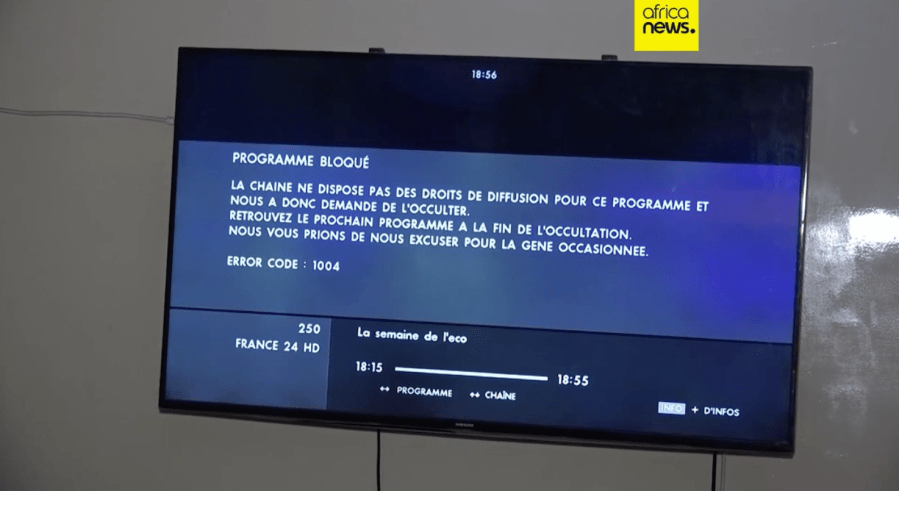
The National Communication Observatory (ONC), which was set up in September to regulate the media, said in a May 8 statement that it was suspending the outlets over the “repeated dissemination of content likely to seriously undermine public order, national unity, social cohesion, and the stability of republican institutions.”
ONC President Ibrahim Manzo Diallo told CPJ via messaging app that the regulator had suspended the outlets following a review of their coverage beginning on April 25, the day armed groups launched coordinated attacks in Mali, claiming the life of the country’s defense minister. Diallo accused the suspended media outlets of airing “biased” and unbalanced coverage of those attacks, and of giving a platform to “terrorists” who had claimed responsibility.
Diallo said the duration of the suspension would depend on the outlets’ “commitment to journalism rather than propaganda.” He also said that RFI and France 24 had already been suspended before he took office, and that the ONC board would further examine the cases of the other outlets.
According to its founding ordinance, the ONC may impose sanctions ranging from temporary suspensions of up to one year to permanent publication bans for private print and electronic media, as well as the withdrawal of authorization for private audiovisual media. The body may also order provisional measures, which must be reviewed at its next session, ordinarily held on a monthly basis. But it is unclear which measure was taken in this case, as no specific article was cited and no suspension order had been made publicly available at the time of publication.
On May 5, Burkina Faso’s regulatory Superior Council of Communication (CSC) also banned TV5Monde, citing “numerous violations of the law, ethics, and professional standards” in its coverage of anti-terrorism operations in Burkina Faso and the April 25 attacks in Mali.
Authorities united under the Alliance of Sahel States are increasingly aligned in their actions against media outlets covering the region’s ongoing security crisis.

Separately, on May 8, Gazali Abdou Tasawa, a correspondent for German state-owned broadcaster Deutsche Welle (DW) was provisionally released in Niger, after 105 days in detention.
“Proceedings against him are still ongoing,” DW said in a statement, reviewed by CPJ.
Niger was the second-worst jailer of journalists in sub-Saharan Africa in CPJ’s latest annual prison census — tied with Rwanda and Ethiopia — with five journalists behind bars on December 1, 2025. Four remain in prison — Hamid Mahmoud, Ibro Chaibou, Oumarou Abou Kané, and Youssouf Sériba.
CPJ’s calls to request comment from the CSC went unanswered. CPJ’s emails requesting comment from the nine suspended outlets had not received responses by the time of publication.
Editor’s note: The image at the top of this page has been moved down.