



Ugandan journalist Ssematimba Bwegiire lost consciousness immediately after a security officer electrocuted him with a stun gun and pepper-sprayed him in the mouth. But he did not report the incident, reflecting widespread disillusionment among the media about authorities’ commitment to press freedom in elections on January 15.
Bwegiire, a reporter with privately owned Radio Simba, was covering a rally by the opposition presidential candidate Robert Kyagulanyi, commonly known as Bobi Wine, whose events have consistently been targeted by security forces using teargas and live bullets.
“People later told me they thought I had died,” Bwegiire told CPJ about November’s incident during a joint military-police deployment in western Uganda. “I did not file a police report because previous complaints have never brought justice.”
Uganda has a history of high levels of violence against journalists, particularly during election periods, with dozens of people killed following protests over the 2021 election, which Wine alleged was marred by fraud.
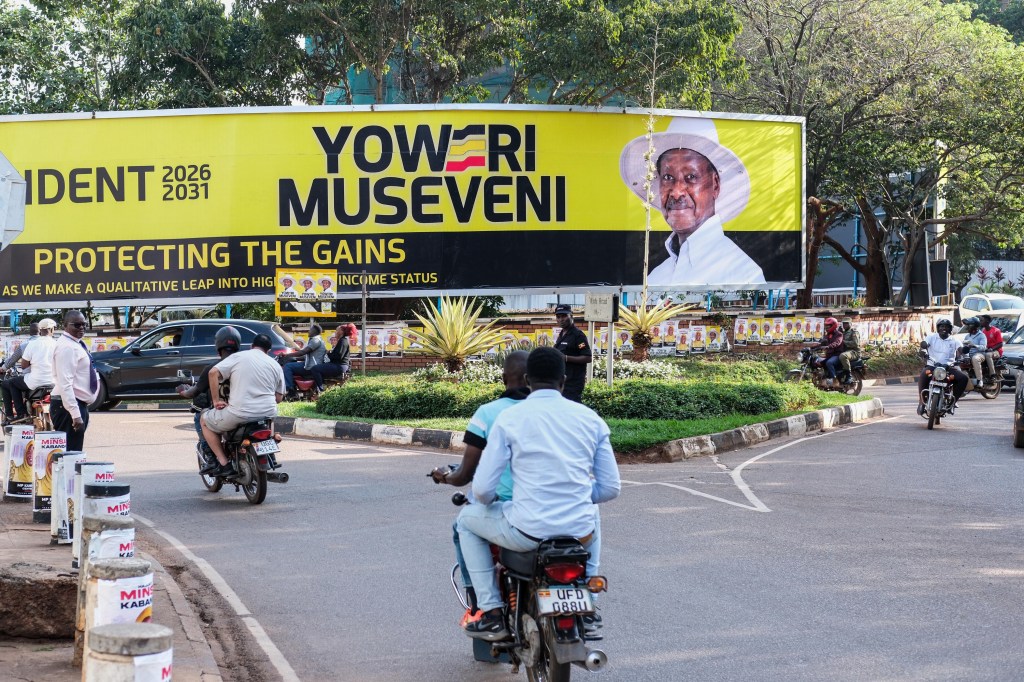
Authorities suspended internet access at 6 p.m. local time on Tuesday, according to internet outage monitoring groups, reflecting tensions ahead of Thursday’s vote, when 81-year-old President Yoweri Museveni will seek to extend his nearly 40-year rule. During the 2021 election, authorities cut internet access nationwide for five days and banned Facebook, which remains blocked.
‘Effort to silence scrutiny of public affairs’

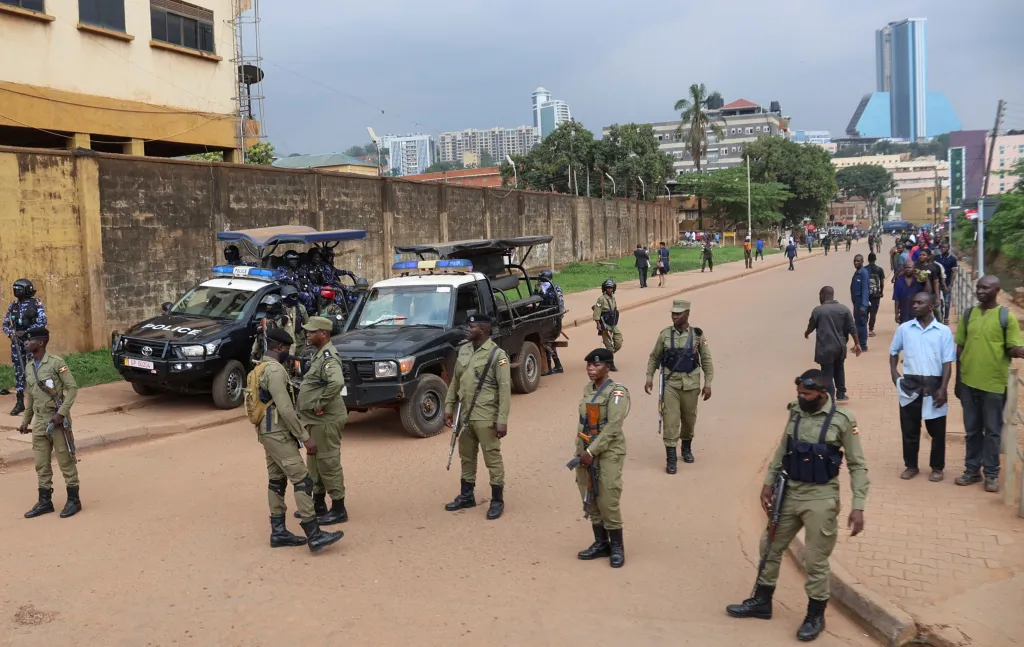
On Monday and Tuesday, news broke that the Human Rights Network for Journalists-Uganda (HRNJ-U), which documents violations against journalists and provides legal support, and the journalist training organization African Center for Media Excellence (ACME) were among at least six nonprofits suspended by the regulatory National NGO Bureau, on the grounds of unspecified security concerns.
“Clearly, this is part of a broader effort to silence scrutiny of public affairs as Uganda heads into general elections,” said ACME”s cofounder Peter Mwesige. “Independent media must rise to the occasion and provide accurate and credible information about the elections.”
HRNJ-U Executive Director Robert Ssempala told CPJ that his organization would cooperate with official investigations but he believed the group had “worked well within [its] mandate of protection and promotion of press freedom.”
On January 5, the information ministry banned live coverage of “riots, unlawful processions, or violent incidents.”
Arrested, assaulted, harassed

In the three months leading up to the 2021 election, at least 17 journalists were attacked, arrested, and harassed, CPJ found. Although CPJ has only recorded five such cases since November 2025, journalists said the pattern of repression had not changed: violence spikes during opposition activity, and accountability is rare.
- On November 5, Wine’s private bodyguards assaulted Tayari West TV journalist Canary Mensor in Rushere, in western Uganda. Mensor, who sustained a head injury, told CPJ the assailants attacked him after he refused to stop filming a National Unity Platform (NUP) event and accused him of working for Deputy Speaker of Parliament Thomas Tayebwa, a member of the ruling NRM party and owner of Tayari West TV.
- On November 20, Bob Oyuku Ojok, a journalist with the privately owned Unity FM 97.7 in Lira, in northern Uganda, was assaulted by unidentified men who destroyed his phone, beat him, and chased him from the venue of a rally.
- On December 15, police arrested Brian Ssenkumba, a journalist with the Christian outlet Channel 44 TV, while he was covering a political procession involving NUP supporters in the capital Kampala. Ssenkumba told CPJ that police and military personnel seized his camera, kicked and slapped him, and forced him into a crowded police van, where he was detained for nearly four hours. Ssenkumba said police charged him with public nuisance and released him later that day.
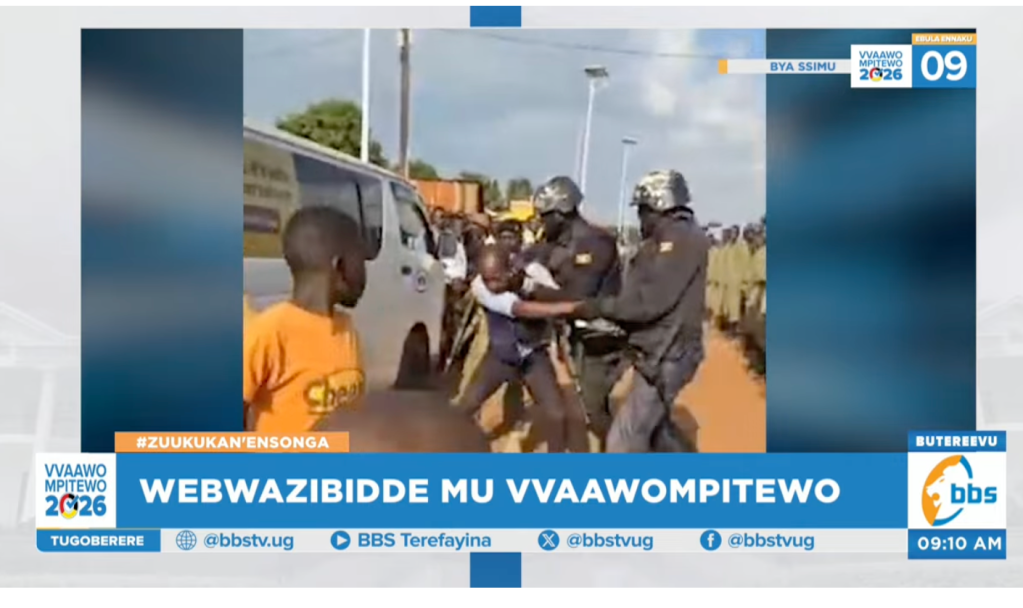
- On January 5, security personnel assaulted Ivan Mbadhi, a reporter and camera operator with BBS Terefayina, a broadcaster owned by the Kingdom of Buganda, a monarchy in central Uganda, as he was covering Wine’s stopover in eastern Kween District. Video showed police kick Mbadhi, slam his head against a vehicle, twist his neck, and damage his equipment. Mbadhi told CPJ that he later vomited blood and travelled to Kampala to seek further treatment.
Internet shutdown orders follow accreditation hurdles

In the weeks leading up to the vote, fears of a repeat of election-period connectivity disruption were stoked by authorities’ restrictions on Elon Musk’s satellite internet provider Starlink and the Uganda Communications Commission’s (UCC) assertion that it can block decentralized tools, like the Bluetooth-based messaging app Bitchat, which works without internet.
On January 12, CPJ joined 57 other organizations in a letter to Museveni, asking him to ensure “unfettered access to the Internet” during the elections.
On January 13, the UCC wrote to service providers, directing them to suspend public internet access as well as the sale of new SIM cards to “mitigate the rapid spread of online misinformation, disinformation, electoral fraud and related risks, as well as preventing of incitement of violence,” according to a copy of the letter, reviewed by CPJ.
The UCC added that “essential services” internet users, such as large public hospitals, the tax authority, and banks, would be provided access. But the UCC said traffic would be monitored and those institutions would be prohibited from granting internet access to social media sites, messaging apps, or Virtual Private Networks (VPNs), tools that circumvent internet censorship.
Once again, independent outlets have seen media accreditation weaponized against them. Authorities have barred journalists from the privately owned Nation Media Group-Uganda from covering Museveni’s events since March, and denied them access to parliament since October. Ahead of the last election, authorities imposed accreditation requirements that local courts later ruled were illegal.
UCC spokesperson Ibrahim Bbosa told CPJ that the regulator’s restrictions, including the ban on live broadcasts, were to prevent coverage that could escalate violence or spread misinformation during elections.
“Any regulatory action by the commission is guided by the relevant legal framework,” he said. “Journalists who adhere to professional standards of accuracy, fairness, verification, context, and ethical judgment have nothing to fear.”
Bbosa said the regulation of satellite internet “is not censorship” but to ensure that services adhere to domestic law, including on consumer protection and data sovereignty.
Police spokesperson Rusoke Kituuma, Information Minister Chris Baryomunsi, and NUP spokesperson Joel Ssenyonyi did not respond to CPJ’s text messages or return phone calls seeking comment.
Editor’s note: The headline and fifth paragraph have been updated to include the January 13 internet shutdown.