



When a tear gas cartridge fired by a policeman struck independent Argentinian photographer Pablo Grillo in the head while he was covering a pensioner protest in Buenos Aires on March 12, 2025, a line was crossed in the country’s deteriorating relationship between President Javier Milei’s administration and the press, according to Agustín Lecchi, the general secretary at Buenos Aires Press Union, calling Grillo’s case “unprecedented in Argentine history.”
Grillo, who is still recovering from a severe brain injury months after the attack, is among several cases of violence against journalists in Argentina that have been documented by local press freedom watchdog FOPEA (Foro de Periodismo Argentino) since Milei took office December 2023. According to FOPEA, 2025 was the most damaging year for attacks on press freedom since the organization started collecting data in 2008, including stigmatizing discourse against journalists, physical attacks, legal attacks and access to information restrictions. From January to December 2025, a total of 278 cases were reported, 55% more than in 2024 and a 139% increase from 2023. Last year, FOPEA reported that Milei was connected to 43% of attacks in the form of stigmatizing discourse, offenses and insults.
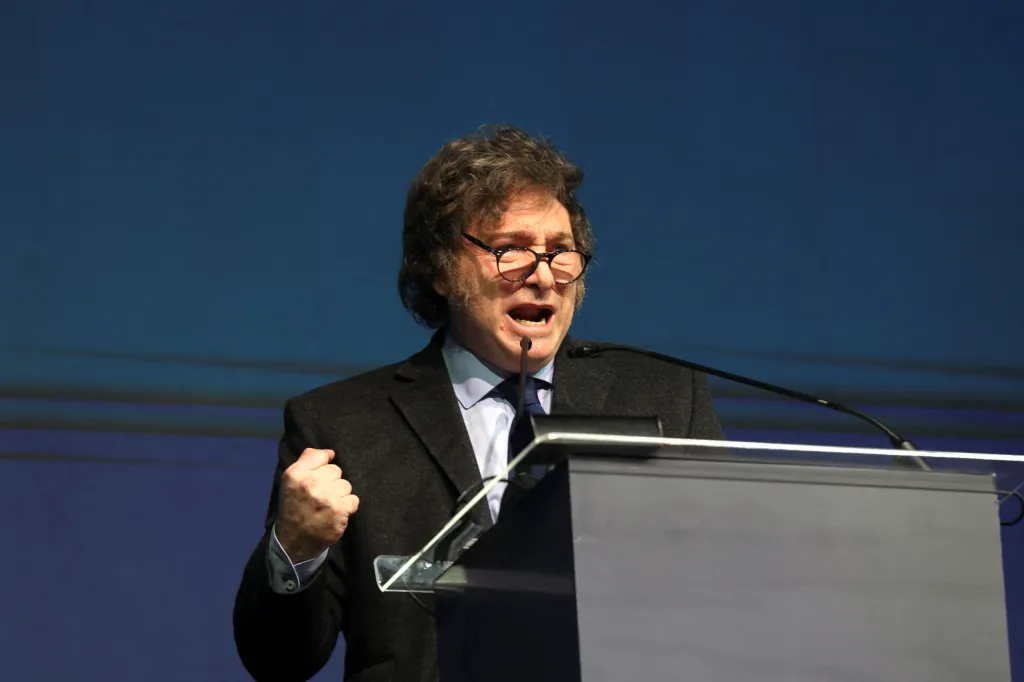
In an analysis of the rhetoric used to dehumanize journalists in Argentina, titled “The Insult as an Estrategy” report, FOPEA scrapped 113,649 posts from Milei’s X account from December 2023 to September 2025 and found that the president frequently referred to journalists as “criminals,” “corrupt,” “apes,” and “terrorists.” He also accused them of being a part of a privileged group (“casta”) or followers of Kirchnerism (“kuka”), a left-wing populist political movement in Argentina. The report was produced as part of FOPEA’s Data Journalism Visualization Bootcamp.
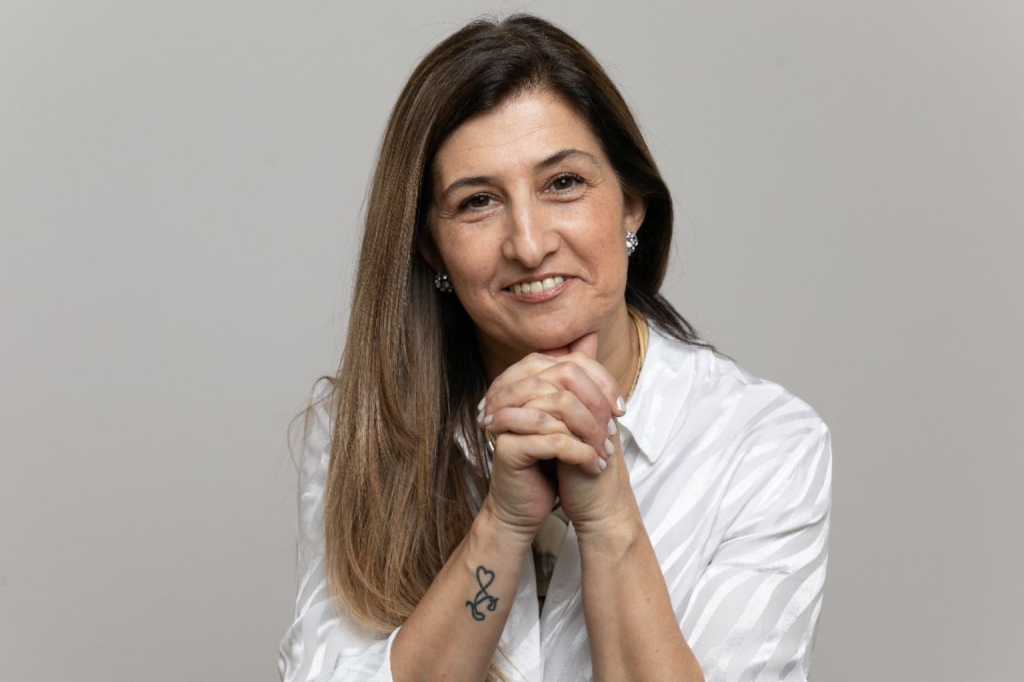
“When the higher-ups approve it, everything below is permitted, and it feels like a new approach that works also for governors or mayors to silence dissent. This copycat has an impact in a greater number of cases,” FOPEA president Paula Moreno told CPJ.
“There was no other president—neither Néstor Kirchner [2003-2007], nor Cristina Kirchner [2007-2015], nor Mauricio Macri [2015-2019]—who promoted hatred of journalists as Milei does,” said Lecchi, of the Buenos Aires Press Union. He adds that one of Milei’s most famous sayings is, “We don’t hate journalists enough.”
Legal harassment
According to FOPEA data, the number civil or criminal legal actions against journalists and media outlets in Argentina increased from 11 in 2024 to 30 in 2025, including:
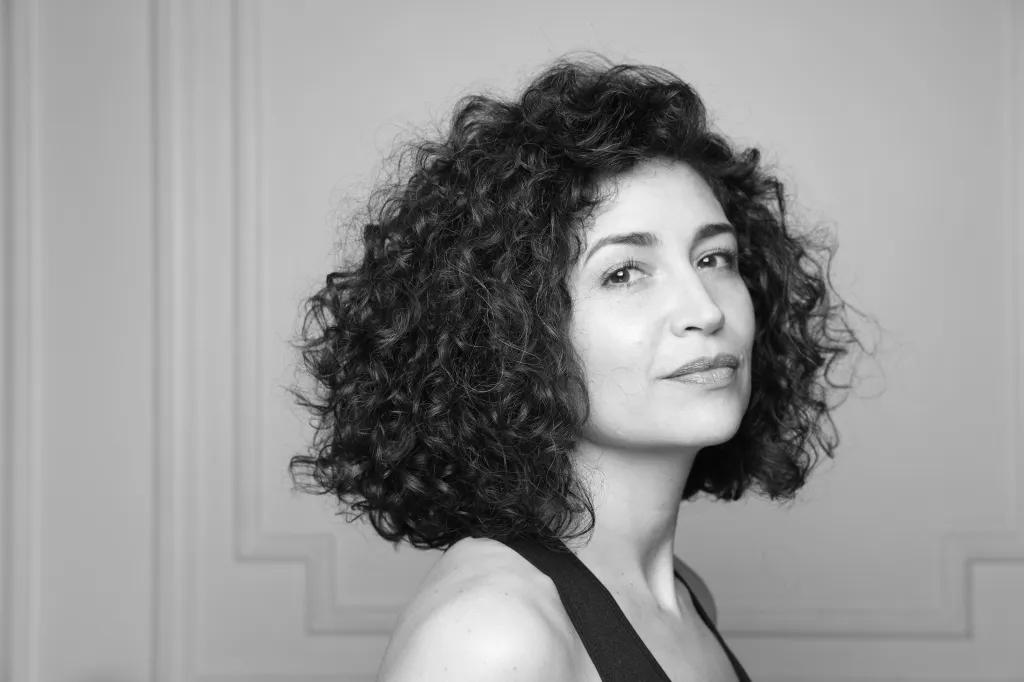
- Argentinian journalist Julia Mengolini, the founder and director of the independent Futuröck radio station, was targeted with legal claims by Milei and the Ministry of Health. She decided to fight back after tracking the digital militia behind the attacks. “It’s very difficult for a judge to investigate a president,” Mengolini told CPJ in an interview. “That is why I am not impatient; this is a fight that could be long-term, but we will continue to fight it.”
- Alejandro Alfie, a 30-year veteran journalist who works at the newspaper Clarín covering media, journalism, and the broader agenda of freedom of expression, has received extrajudicial letters and has had mediation hearings in four ongoing cases against him since 2024, including one from an Argentinian influencer who supports Milei and the other from a consultant to the president who owns half of the news portal, La Derecha Diario. In connection with the cases, Alfie said he has become the target of a smear campaign and doxxing that has affected his health from stress, adding, “By the end of 2024, I started having asthma, everything was going up—my cholesterol, triglycerides, uric acid.”

Gender-based violence
Female journalists have been targeted with 22% of the 278 attacks against the press in Argentina last year, according to FOPEA. Two other reports launched in 2024, one from the feminist group Argentinian Journalists and the other from fact-checking NGO Chequeado, show that online harassment is a systemic way of assaulting female journalists and that a great number of attacks come from public officials verified accounts.
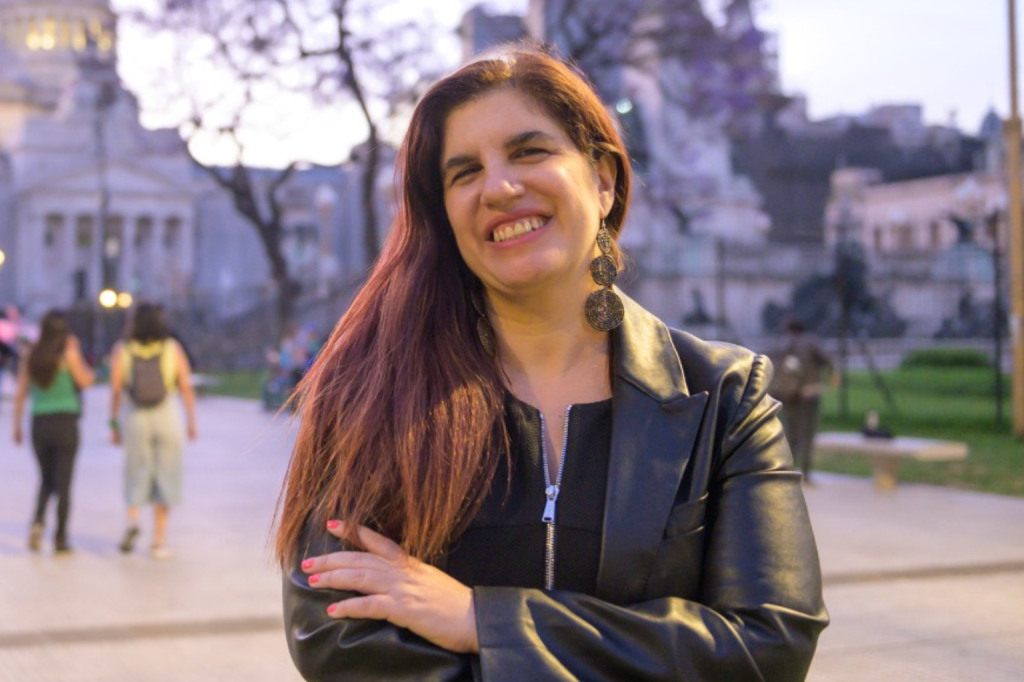
Luciana Peker, a 28-year experience feminist journalist and writer who works for Infobae news portal, has been living in exile since December 20, 2023, after receiving threats in connection with her coverage of an infamous 2018 rape complaint involving an Argentinian actor. “You deserve to be next,” one threat said, according to Peker.
According to a legal complaint filed by Peker in September 2021, reviewed by CPJ, she alleges “certain sectors connected to [Argentina’s] security forces” started a trolling campaign against her. She added, “They were well-known individuals who now occupy strategic positions in Javier Milei’s government.”
Peker, now a Spanish citizen, said she wants to go back to Argentina at some point but not under Milei’s government due to the growing hostile environment against journalists, especially female journalists, and women in general. She said that even the feminist agenda was captured and monopolized by men. “It’s what I call ‘Machopolis’: it is ultimately men who speak out publicly about abortion, gender-based violence and other topics.”
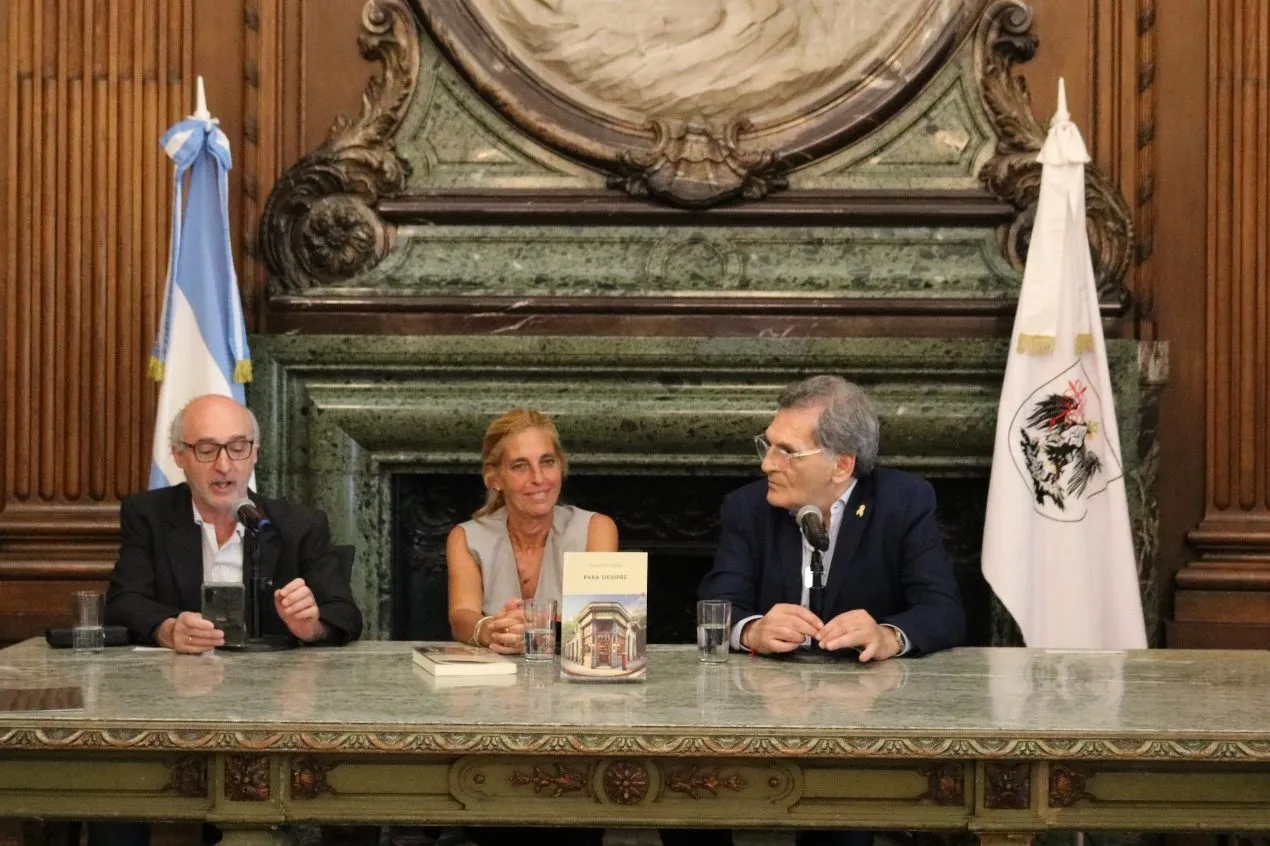
In her new book to be published by Libros del K.O. in February, “La Odiocracia, al fondo a la derecha” (“Odiocracy, in the background on the right”), she’ll speak about the far-right targeting of women.
Incidents of assault
The Buenos Aires Press Union—with the International Journalists Federation, the Argentina Press Workers Federation and the Buenos Aires University—presented the 2025 Argentina Freedom of Expression report to the Argentinian Senate on December 2, 2025. The report outlines a 66% increase in the number of press workers attacked by security forces in Argentina during protests, naming judicial persecution of journalists, the obstruction of journalistic work, and social media harassment as the Milei administration’s “preferred strategies for attempting to silence and discipline dissenting voices.”
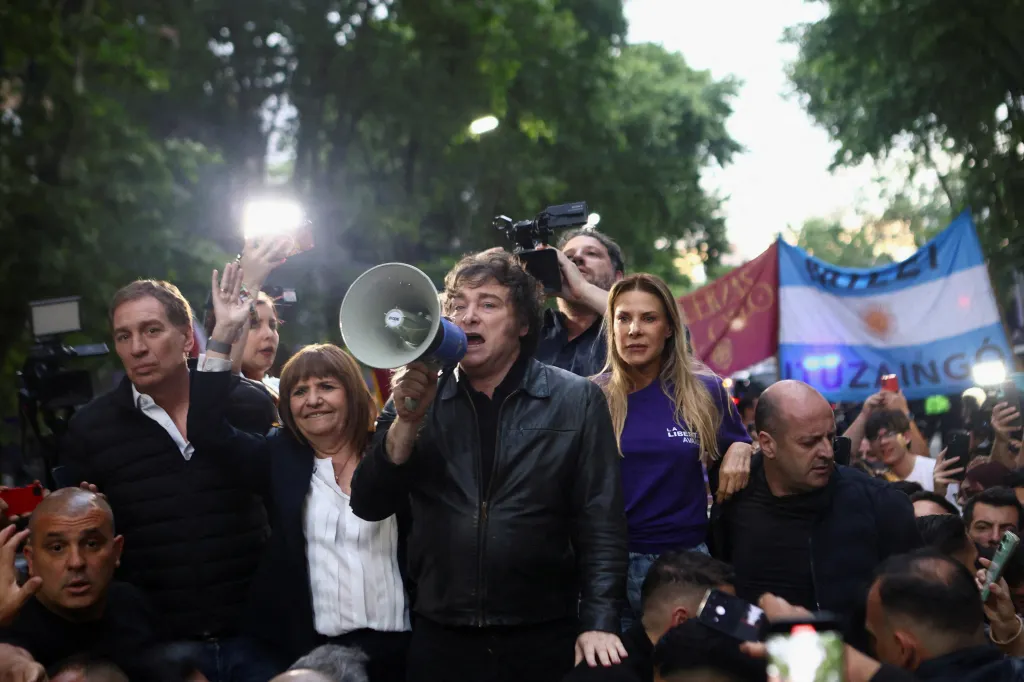
In an Interamerican Commission of Human Rights hearing on November 19, 2025, to assess press freedom in the country, 18 attending organizations to the special rapporteur of freedom of expression requested a visit to the country in light of escalating government repression. CPJ has called on Argentinian authorities to stop attacking and preventing journalists from safely doing their jobs and has called for justice in photographer Pablo Grillo’s case.
The corporal who fired the tear gas canister who struck Grillo in the head was prosecuted for not following security protocol; his assets were seized; he must report periodically to the police, and cannot leave the country; but he was not imprisoned. Grillo’s family has filed a complaint with Argentina’s Federal Criminal and Correctional Court No. 1 against the corporal, requesting that he be charged with attempted murder.
Grillo’s father, Fabián, told CPJ that the defense appealed the sentence in October but no final decision has been taken, adding that his son spent his 36th birthday still hospitalized in Buenos Aires following the incident.
“The justice system should be ashamed of itself,” said Fabián Grillo. “Caporal Guerrero took an order but the final responsibility rests on [Patricia] Bullrich [former National Security minister and currently a senator]. The only thing I want from this government is to ask them why they lied and keep lying,” said Fabián.
CPJ’s messages to President Milei’s and Bullrich’s press officers did not receive any immediate response.