


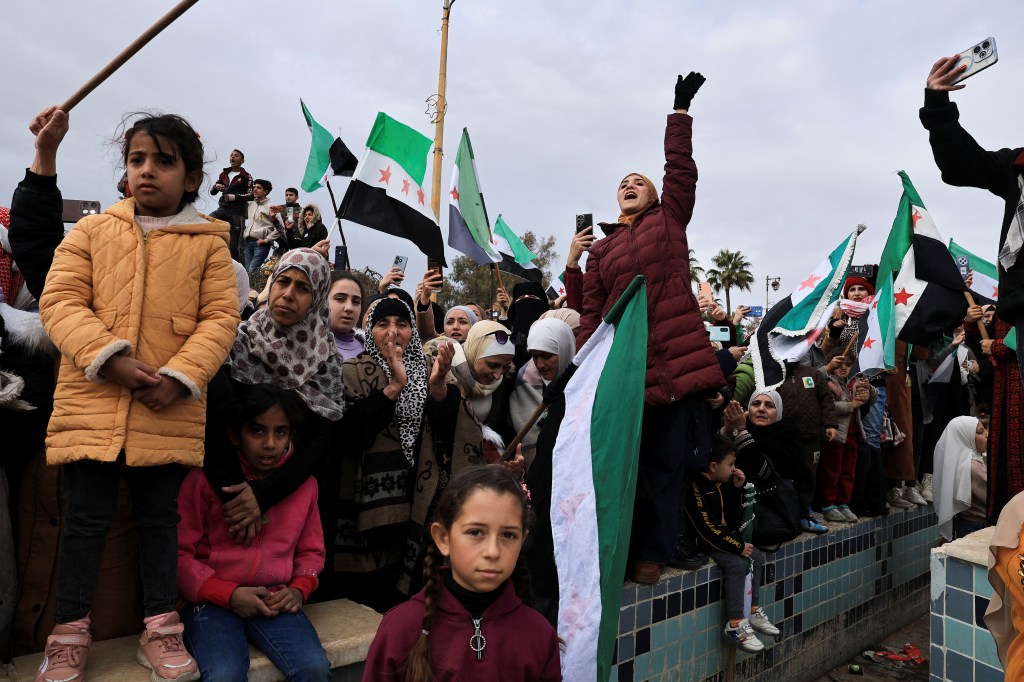
One year after the toppling of Bashar al-Assad, whose family ruled Syria through iron and fire for five decades, journalists say they enjoy more freedom than ever but also uncertainty in the face of conflict as they wait for the introduction of new media laws.
CPJ’s interviews with 20 journalists and press groups found conditions have dramatically improved. All media outlets are able to travel and report freely, including coverage critical of the government, though the foundations of genuine press freedom are not yet secure.
“The first and most important difference is freedom of movement, which is the basis of any journalistic work,” said the digital NoonPost’s reporter Hamza Abbas.
Interviewees’ opinions were heavily influenced by their politics, religion, and location, and their outlets’ coverage of Syria’s patchwork of competing authorities and communities. The country remains fractured as President Ahmed al-Sharaa’s government seeks to integrate multiple groups seeking regional autonomy, from the northeastern Kurdish-led Syrian Defence Forces (SDF) and the coastal Alawites to the southern Israeli-backed Druze.
Most media killings, injuries, detentions, and assaults since al-Assad’s ouster on December 8, 2024, stem from these political divisions, with violations often carried out by regional militias, rather than government forces, CPJ’s reporting found.

“The danger increased because of identity, opinions, work, and the outlets journalists work for,” said freelance journalist Solin Mohammed Amin, who was threatened with death by armed tribal fighters for speaking Kurdish during July’s sectarian violence near the southern city of Sweida.
“I feel unsafe because some people act without punishment,” she said, referring to the “unknown individuals” who harassed her.
The risks of conflict reporting place some journalists in constant danger.
In March, three journalists were shot and others assaulted, mostly by forces loyal to al-Assad who were fighting government troops in coastal Latakia province, in which about 1,300 people were killed. Since that defeat, most Assad loyalists and Alawite fighters have gone underground.
Aside from such upheavals, Latakia-based freelancer Kamal Shahin, who contributes to the online outlet Syria Untold, said the media has experienced a sharp shift in the last year.
“There is no censorship at this moment or limits,” said Shahin, a veteran investigative journalist who recently reported on the new government’s failure to provide security.
Although relieved to be free from the repression of the al-Assad era, Shanin was cautious, warning that the new system “does not contain democratic factors that allow us to bet on the future.”
Fighting brings fear in Sweida, Golan Heights
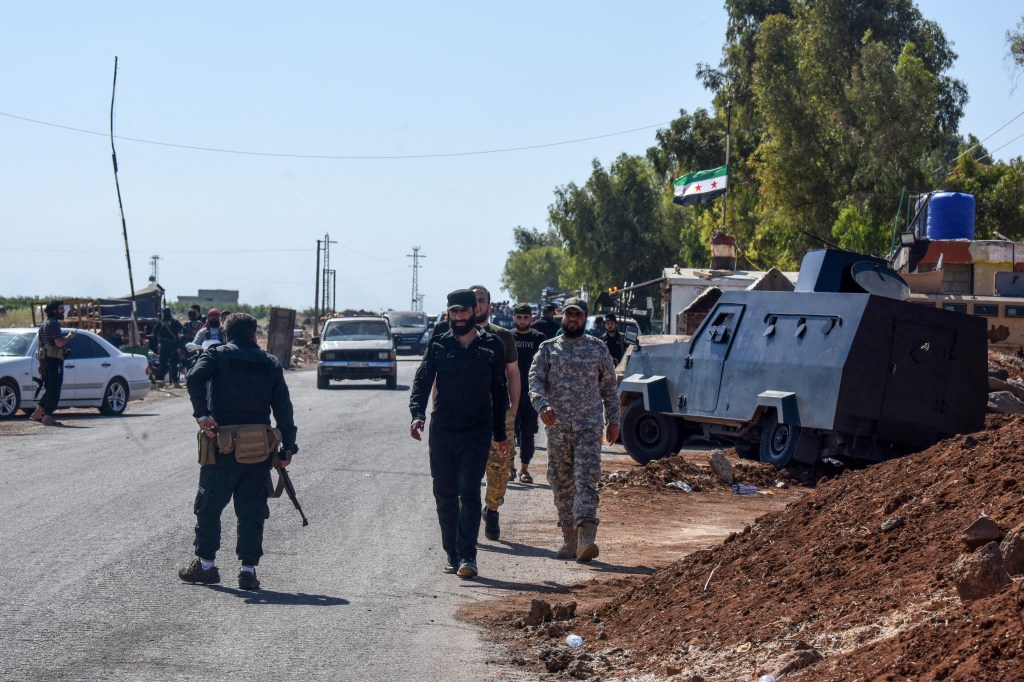
Journalists were also killed, shot at, and harassed during July’s clashes between Druze militias and government forces besieging Sweida. Conflict continues as the Druze have refused to yield to Damascus, demanding self-determination.
Rayan Maarouf, editor-in-chief of the Druze-focused outlet Suwayda 24, is one of the few journalists still in Druze-controlled Sweida, with government checkpoints barring independent reporters from the city.
“I can’t go to areas controlled by the government — we’re honestly afraid of checkpoints on both sides,” he told CPJ, describing a “multi-layered” environment where each faction pushes its own narrative.
“The journalist is unfortunately the weakest link because they are threatened by all sides … We document the violations committed by all parties — from the government to the armed factions, to the militias, to the gangs,” he said.
A new area of conflict has opened up on Syria’s southern border with Israel, which responded to al-Assad’s fall by seizing control of a demilitarized buffer zone in the Golan Heights, set up under a 1974 ceasefire. In Quneitra Governate and parts of Damascus, Israeli incursions occur almost weekly, with a recent raid killing 13 people.
“We are facing extremely severe difficulties, fear, and terror when trying to document and monitor Israeli incursions,” said Nour Abu Hassan, a reporter for the Lebanon-based Al-Modon, who has covered multiple attacks and been chased by Israeli soldiers. He said journalists risk arrest by Israel, but continue to report “even if it means filming from behind a wall, a window, or any angle we can manage.”
Press freedom is also declining in northeastern SDF-controlled territory, where the media have faced assaults, detentions, and bans since the region gained de facto autonomy in 2012, journalists told CPJ.
One reporter told CPJ on condition of anonymity, citing fear of reprisals, that they were recently barred from working for two months after Rudaw TV — which was banned in 2022 — reposted their report. They said the media regulator later reduced the penalty to a warning that repeat violations would bring “legal measures.”
Jwan Mullah Ibrahim, co-chair of the Autonomous Administration of North and East Syria’s media department, told CPJ the administration had licensed more than 95 outlets since 2012 but blocked those that were “politicized” or used “language of incitement and sedition.”
‘A big change’ with accountability

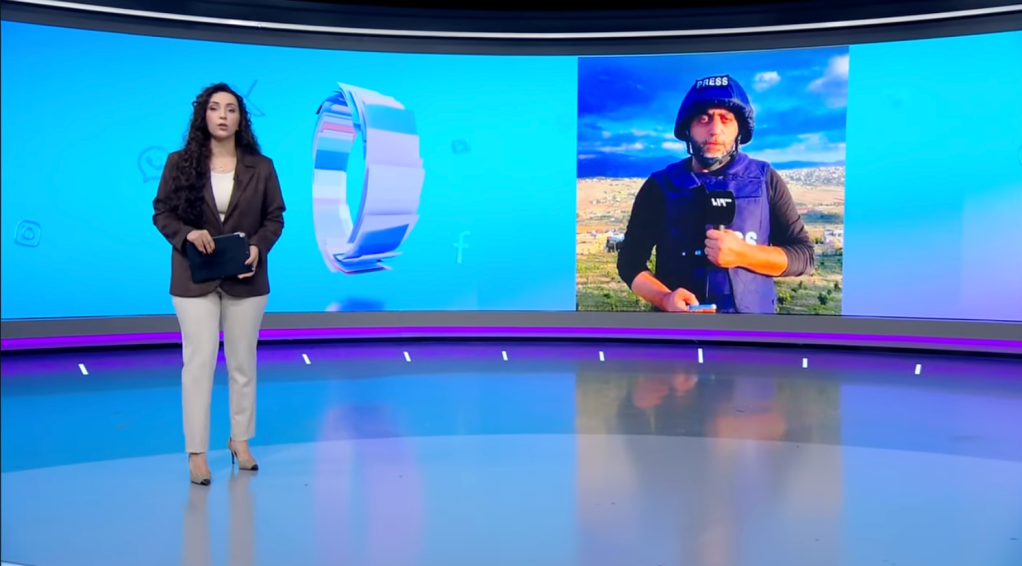
Anas Idrees, a journalist since Syria’s 2011 revolution and now a reporter for Istanbul-based Syria TV, told CPJ that “a very big change” had taken place as the new authorities do not interfere with reporting unless “a journalist incites violence.” The Homs-based journalist has stopped using a pseudonym because he feels safer under the new government.
Idrees was also pleased by the government’s response when he was threatened in September by a member of the security forces who warned him on Facebook, “Don’t play with fire” after the journalist commented on an attack on a Christian family.
“I raised my voice… went to the governor’s office, and spoke openly,” he said, adding that officials working for Al Qusayr city’s governor “assigned a lawyer and filed a complaint” for him, and the officer involved “was immediately detained.”
Countering disinformation in a legal vacuum
Ali Eid, editor-in-chief of the independent news site Enab Baladi and director of the investigative platform Syria Indicator, agreed there were “encouraging developments,” such as government censors no longer reviewing journalists’ content pre-publication.
“I am working freely. There is no red line, no one blocked us from reporting, no one asked us to not write harshly,” he said, while calling for further reforms.
“We need a truly stable environment — one that requires, at minimum, clear laws to protect media work,” he said, highlighting the importance of fact-checking and countering disinformation.
The government has suspended the al-Assad era’s press laws, which functioned more as punitive tools than protections. Tight security and surveillance made independent journalism virtually impossible, journalists told CPJ, as only the government’s version of events was permitted and any deviation could lead to interrogation, arrest, or worse. Hundreds of journalists were killed, imprisoned, or disappeared under the al-Assads.
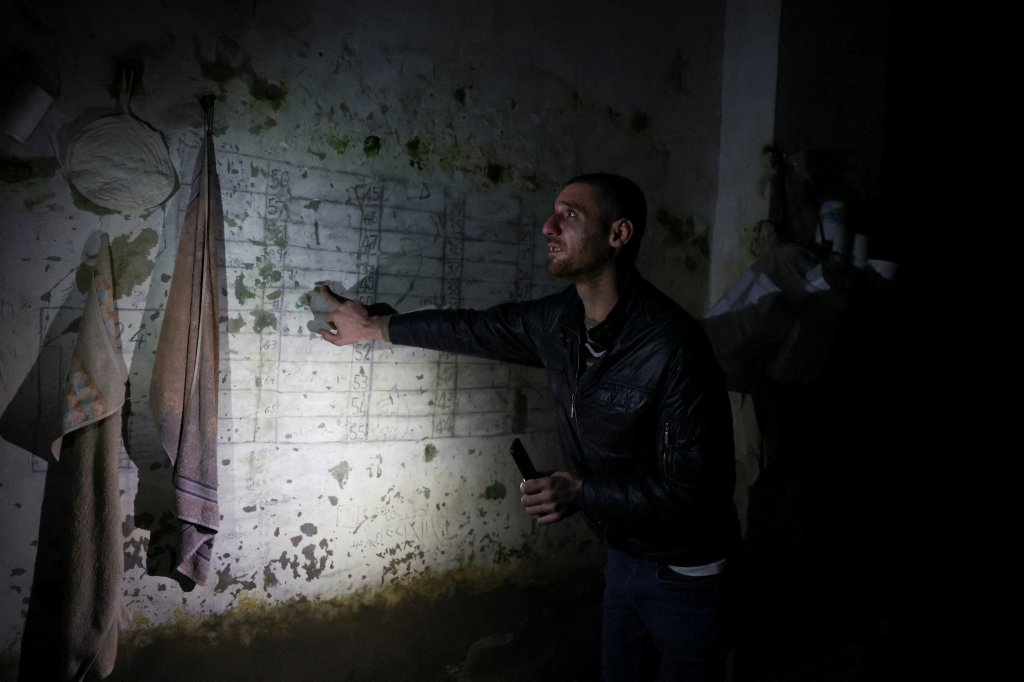
Omar Haj Ahmed, the information ministry’s director general of press affairs, told CPJ his ministry would introduce “a modern media law that respects freedom of expression and professional responsibility” and it had hosted at least 16 media ethics workshops, with wider consultations planned.
He dismissed as inaccurate complaints reported to CPJ about the issuance of temporary, rather than permanent, media licenses and allegations that journalists seeking press cards underwent invasive background checks, saying his ministry would soon start issuing cards with “no security vetting.”
For NoonPost’s Abbas, it is the new-found sense of freedom that stands out above all.
“Many things changed,” he said. “Our work became more about accessing information and reaching people; it became smoother and better than before. There is no longer the threat of arrest, no more fear, and that made all the difference for me.”