


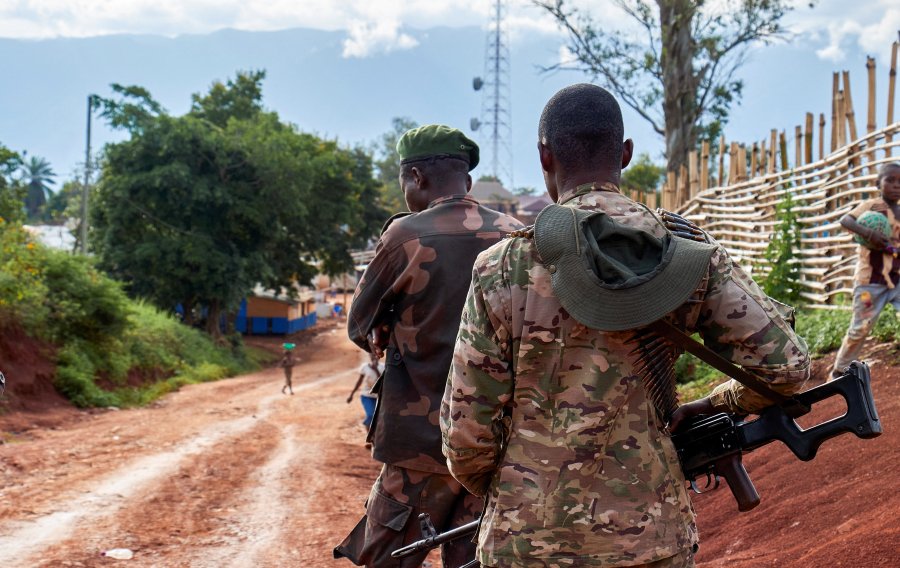
The eastern Democratic Republic of the Congo has joined a growing number of conflicts where drones are being used to target journalists, as two strikes hit a community radio station, followed by calls and messages threatening further attacks over its reporting on militia abuses.
The bombing of Radio Tuungane in South Kivu province’s rebel-controlled Minembwe commune came as the United Nations warned in March that civilians were facing additional risks from drones and clashes between the government and rebels escalated. Elsewhere in South Kivu, two journalists told CPJ they were currently unable to work due to threats and harassment.

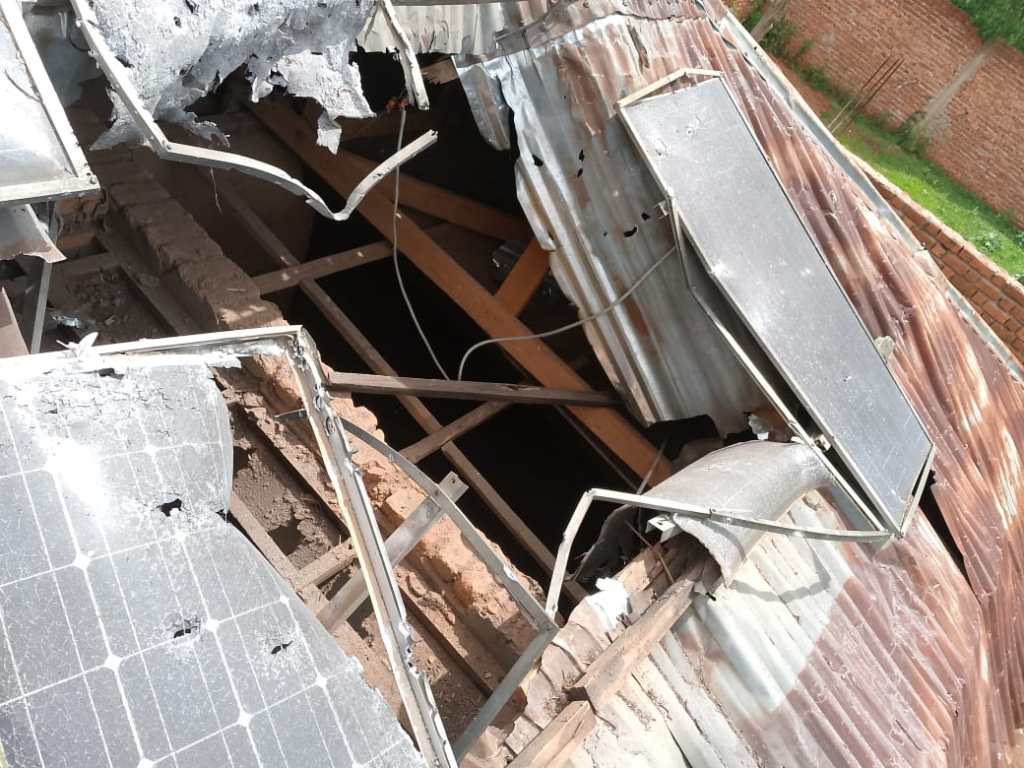
On March 3 and 26, Radio Tuungane, which broadcasts from the mountainous Fizi Territory, was attacked by a military drone, three journalists from the station told CPJ, on condition of anonymity, citing fear of reprisals. Its staff escaped but the strikes damaged the building and equipment, including solar panels and batteries, they said.
The journalists said government-allied Wazalendo militia and government soldiers, who are seeking to capture Minembwe, had called the station in February and accused its staff of broadcasting news implicating their forces in atrocities against civilians.
One of the journalists said they had received death threats in February and April from the Wazalendo.
“The authors of these [text] messages and phone calls say they will kill me, including through drone attacks, as has already happened twice against our radio station in the space of a month,” the journalist told CPJ.
Over 60 journalists and media workers have been killed by drones since 2023. Journalists are considered civilians under international law and their deliberate targeting by any party to a conflict can constitute a war crime.
Both the DRC government and the rebels have carried out high-profile drone strikes this year.

CPJ’s call to interim government spokesperson, Lt. Col. Mak Hazukay Mongba, went unanswered. CPJ was unable to find a contact for the Wazalendo.
‘My life will be immediately in danger’
The Minembwe area is controlled by Twirwaneho, an armed group from the minority Banyamulenge community. Twirwaneho is in coalition with the M23 and the Congo River Alliance (AFC) rebel groups.
The rebels’ advance across eastern DRC in late 2024 and early 2025 forced many journalists to flee, while those who remain face a myriad of threats from both sides. Elsewhere, intelligence agents and police have also cracked down on reporting critical of local governance.
“I fear that if Minembwe falls under the control of government forces, my life will be immediately in danger because of my reporting that exposes their actions,” said the journalist, who reports for YouTube-based, Kinyarwanda-language Mukirambi TV1, as well as Radio Tuungane, which produces news in Kiswahili, French, and English on FM radio and YouTube.
The journalist said they had reported for both outlets on abuses by the militia.
Accused of collaborating with rebels
Similarly, Olivier Ramazani Alvin, who is based in South Kivu’s port city of Uvira, told CPJ that he had received multiple death threats since February from Wazalendo accusing him of collaborating with the rebels. Ramazani said that he was the only reporter in Uvira who provided footage and photos to international journalists, based some 300 kilometers north in Goma, when Uvira was occupied by the M23/AFC between December 2025 and January 2026.
Ramazani, publishing director of News Home Magazine, said he stopped working in February because of the threats, although his colleagues continue to publish on the YouTube-based site. But that did not stop the threats, he said, adding that he had received a call and a message a few days earlier on May 8.
Journalist hides after summons for ‘intelligence purposes’

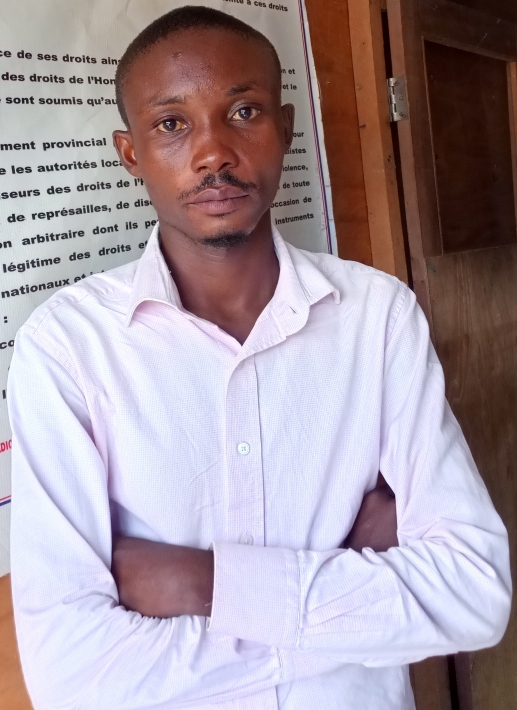
Also in Uvira, journalist Cléophas Kyembwe Babu Bumba went into hiding after receiving a summons on April 27 from the National Intelligence Agency (ANR) to appear at its local headquarters the following day for “intelligence purposes.”
The next day, two ANR agents and three police officers searched for Kyembwe at his home and at privately owned Radio Lukula FM, where he holds the post of director, saying that he had shamed local authorities with his social media posts, CPJ was told by Kyembwe and another journalist, who spoke on condition of anonymity, citing fear of reprisals.
The posts by La Cloche Magazine, where Kyembwe is a reporter and cartoonist, included a cartoon about locals’ refusal to pay a sanitation tax and another about a no confidence motion against the governor of South Kivu province, Jean Jacques Purusi, for incompetence and embezzlement of public funds.
Interim Uvira mayor Kifara Kapenda Kyky told CPJ that he was unaware of Kyembwe’s situation. Contacted via messaging app, one local ANR manager declined to comment, while another did not respond.
Police brutality in Kasai-Oriental province
Press freedom is also under pressure elsewhere in the DRC.

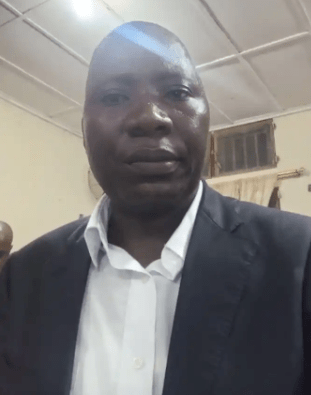
In Mbuji-Mayi, capital of central Kasai-Oriental province, about seven police officers punched and briefly detained Placide Cilewu Mukonga Bantu, a reporter with Radio Television of the Evangelical Church of Witnesses of Christ (RTEETC), on May 15, injuring his left eye and causing his left leg to swell, Cilewu told CPJ.
He said the police attacked him for interviewing, without authorization, female street sweepers demonstrating on a major avenue in the city, demanding local authorities increase their pay and improve working conditions.
Cilewu said the officers pulled him by his clothes and belt, forced him into their jeep, and detained him at a local police station for about four hours, before returning him to the protest site and releasing him unconditionally.
On May 16, the Union Nationale de la Presse du Congo in Kasai province, a journalists’ union, issued a statement, reviewed by CPJ, calling for provincial authorities to hold the perpetrators accountable and ensure Cilewu receives medical treatment.
CPJ’s call to Kasai-Oriental’s provincial police commissioner, André Mbombo Manda, went unanswered.