


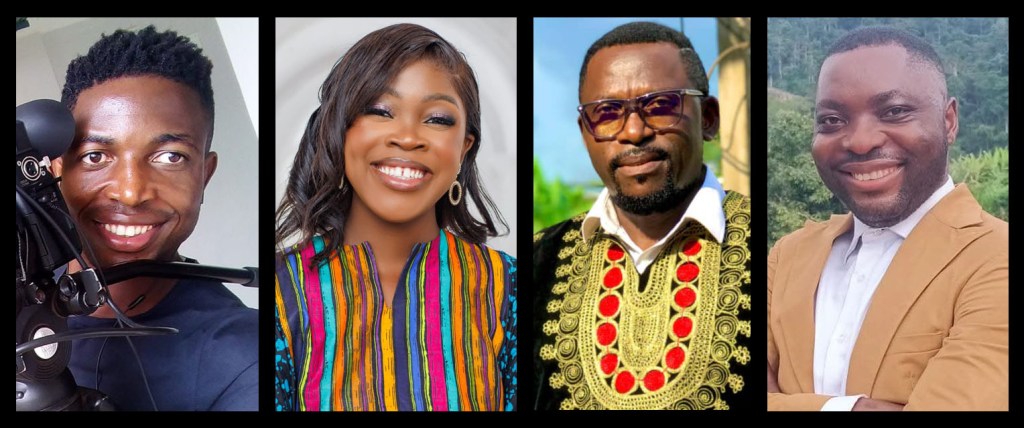
Dakar, February 23, 2026—The Committee to Protect Journalists calls on Cameroonian police to drop a criminal trespass investigation into four journalists who were detained for five hours and had their equipment seized last week, three of whom were reporting for the Associated Press (AP) on the secret deportation of African migrants from the United States.
“Cameroonian authorities must stop harassing journalists for doing their jobs and respect the public’s right to be informed,” said CPJ Africa Director Angela Quintal. “Judicial police must immediately return the journalists’ confiscated equipment and refrain from tampering with their devices, accessing confidential sources, or using private information to retaliate against them.”
On February 17, judicial police in Cameroon’s capital, Yaoundé, detained reporter Nalova Akua, photographer Angel Ngwe, and videographer Arnold Ndal, who were on assignment for the AP news agency. Freelance reporter Randy Joe Sa’ah was accompanying Joseph Awah Fru, a lawyer representing several deportees.
Fru, who was later hired by the AP to represent its news crew, told CPJ that the journalists were being investigated for criminal trespass and their equipment, including cellphones and a laptop, had yet to be returned.
“They have not been charged yet, but their gear is still with police whose modus operandi is to pry into their equipment and start fabricating charges,” he said, adding that he was concerned the police could circumvent the journalists’ passwords and invade their privacy.
“Most especially, I am afraid their anonymous sources can be compromised,” he added.
The AP journalists had interviewed deportees from numerous African countries who had been secretly flown out of the United States the previous day to join other migrants who were similarly deported by the Trump administration in January.
The presence of unknown people taking photographs of the detention center alarmed its director, who checked their photos and video footage, questioned the journalists and Fru closely, and called in the judicial police, Sa’ah told CPJ.
About a dozen officers arrived, confiscated the journalists’ equipment, and took them under heavy escort to the nearby judicial police headquarters, he said.
All five were questioned separately by police, he said. Ngwe and Ndal were taken to a communal holding cell with other male detainees, while Akua and Sa’ah were kept in the offices where they had been interrogated.
Sa’ah said he and Ngwe were both told they would be “crushed,” and Ngwe was also told that she would “disappear without a trace.”
A policeman, meanwhile, insulted Ndal, grabbed him roughly by the neck, and shoved him onto the filthy cell floor, although the journalist was not hurt.
Cameroon is one of the worst countries in Africa for press freedom, with journalists regularly intimidated, arrested, or assaulted while reporting.
René Emmanuel Sadi, minister of communication and government spokesman, declined to comment, saying he did not yet have details about the incident.
CPJ’s calls seeking comment from police spokesperson Joyce Ndjem and an email to the AP’s press office went unanswered.
Editor’s note: This text has been updated in the 12th paragraph to add detail about the assault on Ndal.