


Abuja, November 14, 2025—At least three journalists in Nigeria have been detained since August on allegations of violating the country’s Cybercrime Act, despite last year’s reform of the law, highlighting its ongoing use to harass the media. One journalist, known under the pen name Fejiro Oliver, has been behind bars since mid-September.
“Nigerian authorities appear stuck in an era where they see the Cybercrime Act as a readily available tool to harass the press, which is particularly concerning as citizens look to inform themselves ahead of national elections in early 2027,” said CPJ Africa Director Angela Quintal. “We call on authorities to repeal or reform sections of the Cybercrimes Act, and of the penal and criminal codes, that are regularly used to jail journalists.”
In the countdown to Nigeria’s presidential and state elections in 2027, CPJ is increasingly concerned about press freedom in the country. During the year before the 2023 elections, CPJ documented at least five cases where police detained and charged journalists for cybercrimes in connection to their work.
- On September 18, police detained Oliver, an investigative journalist and publisher of privately owned Secret Reporters news outlet, at his office in the Nigerian capital, Abuja, then flew him to Asaba, the capital of southern Delta State. Oliver’s real name is Tega Oghenedoro.
On October 3, Oliver was charged with cyberbullying, according to court documents, which CPJ reviewed, and his lawyer, Inibehe Effiong, who spoke with CPJ.
The charge sheet alleged that Oliver made several “malicious” publications on his Facebook account in July and August “aimed at destroying the reputation” of Delta State Governor Sheriff Francis Orohwedor Oborevwori by calling him “defamatory names and accusing him of incompetence” and “rigging.” In his reporting, Oliver has consistently alleged mismanagement by Oborevwori, according to CPJ’s review of the Secret Reporters site.
The same charge sheet accused the journalist of “cyberstalking” Delta State’s Central Senator, Ede Dafinone Omueya, with Facebook posts between May and July “aimed at destroying his reputation” by calling him names and accusing him of stealing.
The charge sheet said Obovwowri and Omueya made statements to the police and presented screenshots of the publication as evidence.
Oborevwori’s spokesperson, Festus Ahon, told CPJ by phone on October 1 that the governor had not made any complaints against Oliver.
On October 16, Oliver was granted bail on condition that he provides 15 million naira (US$10,430) bail bond with two sureties to take responsibility for his obligations to the court, according to the privately owned Daily South Nigeria news site.
Oliver remains behind bars as he was unable to meet this requirement, Effiong told CPJ.
On October 17, authorities filed two more defamation charges under the criminal code, accusing Oliver of seeking to “injure the reputation” of two other politicians with corruption allegations and insults on Facebook between February and May, according to copies of the charge sheets, reviewed by CPJ. On October 29, Oliver was granted bail in these cases, Effiong said.
CPJ’s requests for comment to Omueye and Delta State police spokesperson Edefa Bright via phone and messaging app did not receive any replies.
- In August, Azuka Francisca Ogujiuba, publisher of the privately owned Media Room Hub news site, was arrested twice in Abuja for publishing a court injunction related to a disputed land sale, she told CPJ. The first time, she was held for five hours; the second time, for three days. Police searched and retained her phone for five days.
On August 11, she was released after interventions from friends, taking down the article, and writing an apology.

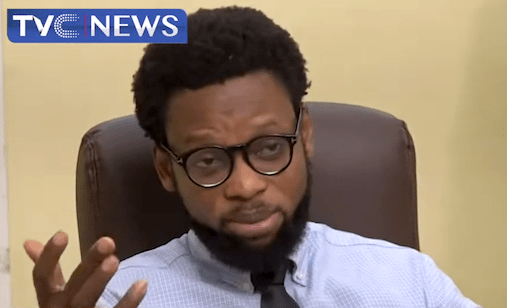
- On September 9, police in western Ekiti State detained Sodeeq Atanda, a reporter with the privately owned Foundation for Investigative Journalism (FIJ), on allegations of cyberbullying, criminal defamation, conspiracy, blackmail, and malicious misrepresentation. Atanda was responding to a letter summoning him for questioning, following a complaint by a university vice-chancellor over FIJ’s allegations of sexual harassment.
FIJ founder Fisayo Soyombo told CPJ that Atanda was detained for 11 hours, then freed without charge after multiple calls for his release. Police also wrote to ask Soyombo to come in for questioning on cyberbullying charges.
Ekiti State police spokesperson Abutu Sunday told CPJ that police were constitutionally empowered to invite journalists for questioning.
FIJ has been the target of repeated harassment. Police assaulted FIJ reporter Daniel Ojukwu in August after he asked them to comment on extortion allegations and journalist Emmanuel Uti was threatened by a businessman in September after he reported allegations of fraud.
Reached by CPJ, Lagos State police spokesperson Abimbola Adebis said he would investigate the matter, then provided several other police phone numbers to call for comment but CPJ’s calls were not answered.
Journalists jailed and harassed
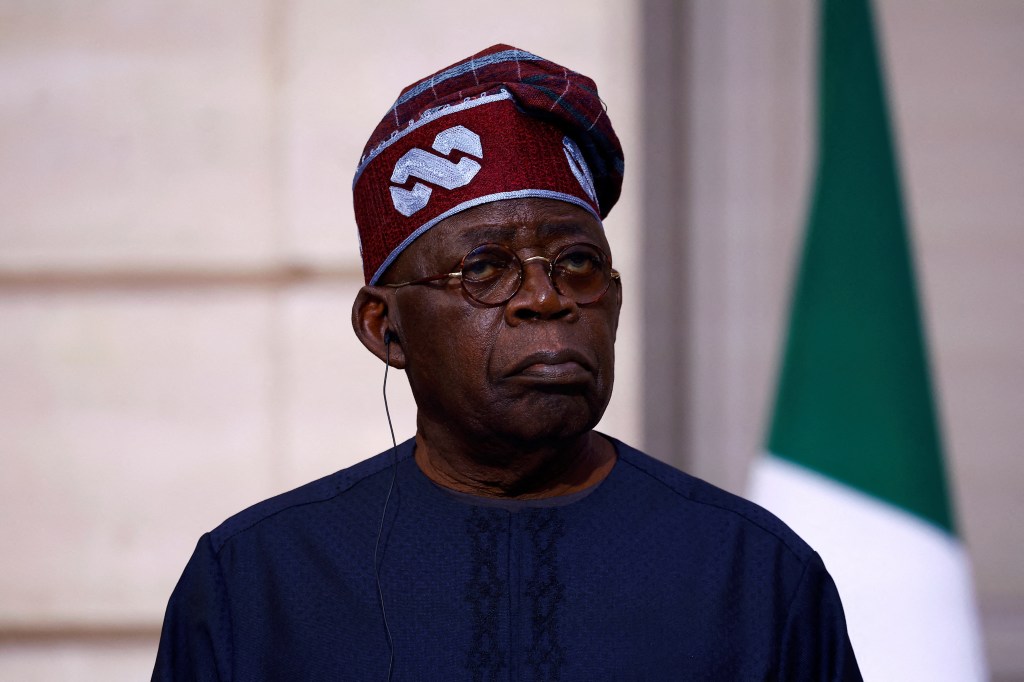
In February 2024, President Bola Ahmed Tinubu signed the cybercrime amendments into law, reducing the scope of Section 24, which now relates to computer communications that are pornographic, “known to be false for the purpose of causing breakdown of law and order or posing a threat to life.” But these reforms left journalists at risk of arrest and maintained that section’s penalty of up to three years in prison.
CPJ research shows that at least 25 journalists faced prosecuted under the Cybercrimes Act before the 2024 reforms, including Oliver, who was charged in a separate case in 2017. Five journalists have been prosecuted for cybercrime since the reforms — Oliver, and four other journalists jailed for almost six months before being freed in an out of court settlement.
Five were harassed, but not formally charged, between March and May 2024:
- Segun Olatunji was detained for two weeks, blindfolded, chained, and dumped 400 kilometers from home, after publishing allegations of military corruption.
- Police threatened FIJ board chairperson Bukky Shonibare, while Soyombo went into hiding after publishing a smuggling investigation.
- Daniel Ojukwu disappeared for days after reporting on government corruption.
- Two International Centre for Investigative Reporting journalists were questioned for nine hours after alleging police corruption.