


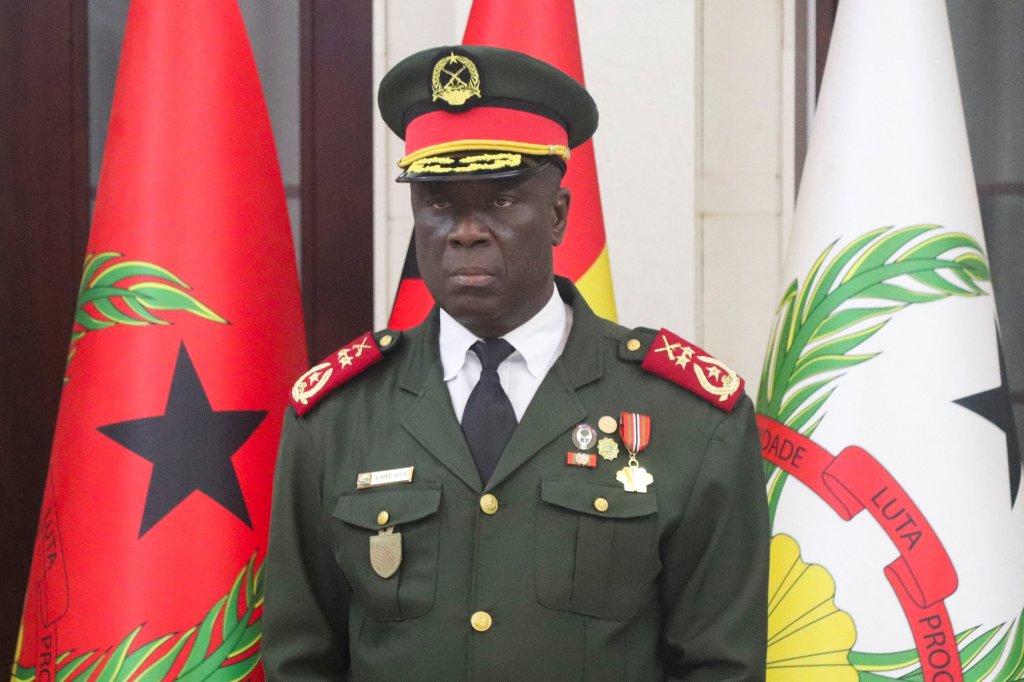
New York, January 20, 2026—The Committee to Protect Journalists calls on military authorities in Guinea-Bissau to rescind an order prohibiting unauthorized press conferences and public statements, as reporters warned of an increasingly repressive media environment following the junta’s November 26 seizure of power.
“During times of political instability, freedom of expression and access to information must be protected to ensure that the public can make crucial decisions about their lives,” said CPJ Africa Program Coordinator Muthoki Mumo. “It is alarming that the military junta in Guinea-Bissau is using vague national security justifications to run roughshod over these rights. Authorities must allow journalists to report freely.”
The High Military Command’s January 9 statement, reviewed by CPJ, said that “it is expressly prohibited to hold any unauthorized press conferences or make any unauthorized public statements that jeopardize peace and social cohesion.”
It added that those who violated the order would be “severely reprimanded.”
Despite their fear, several journalists told CPJ that they continued to attend and cover news conferences.
“We need to defy the junta’s instructions to do journalism, otherwise we’ll only be covering their agenda,” said one.
Other reporters told CPJ that government interviews and statements were their only source of news.
‘We do our jobs in fear’
CPJ spoke to multiple state and private-sector journalists who said reporting had becoming increasingly risky since the military took power last year, with a growing tendency to self-censor.
“We do our jobs in fear and many of our colleagues just stay at home for their safety,” one said.
The West African nation has struggled to find political stability following an armed struggle to free itself from Portuguese colonial rule in 1974, with more than a dozen coups, attempted coups, mutinies, and assassinations.
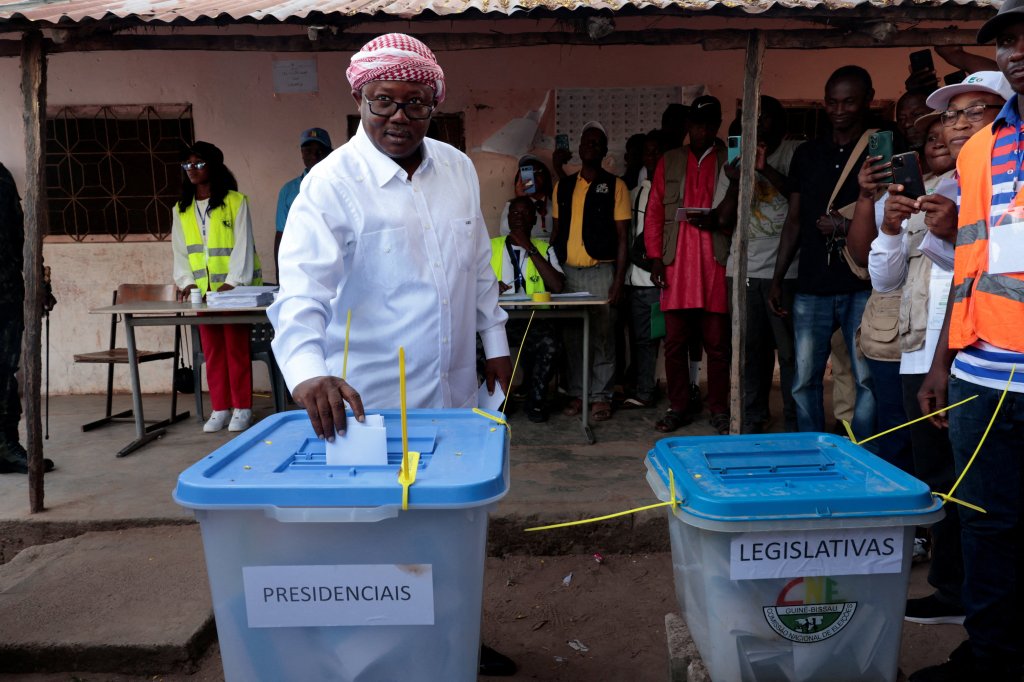
Former army general President Umaro Sissoco Embaló had been seeking a second term in the November 23 vote, after delaying the election by a year and dissolving parliament in 2023, following an alleged coup plot.
On November 26, Embaló told France 24 that the military had deposed him, a day before the results were due to be announced. Others were skeptical, with some suggesting the president had masterminded a “staged crisis” to block the release of unfavorable results.
A statement read by an officer on state-owned Televisão da Guiné-Bissau said that the military was deposing the president and suspending the election and “all activities of all media” as it sought to “restore order.”
Journalists told CPJ that only the state-owned broadcaster remained on air to transmit the junta’s announcements.


Three days later, other media outlets resumed work, although one journalist said the High Command’s orders not to defy its authority felt like “veiled threats.” Another told CPJ they felt “extremely vulnerable,” and a third described the media environment as “increasingly repressive.”
Journalists in Guinea-Bissau have long faced threats, arrests, assaults, raids, and shutdowns. In August, Embaló’s administration suspended two Portuguese media outlets and expelled their journalists. In October, commentator Luis Vaz Martins was abducted and assaulted by men in police uniforms who accused him of disrespecting the president.
“We run risks of prison, kidnap, of being beaten — this is all usual here,” one journalist told CPJ.
Major-General Samuel Fernandes, Deputy Chief of the General Staff of the Armed Forces, who has been speaking for the High Command, did not answer CPJ’s calls to request comment.