


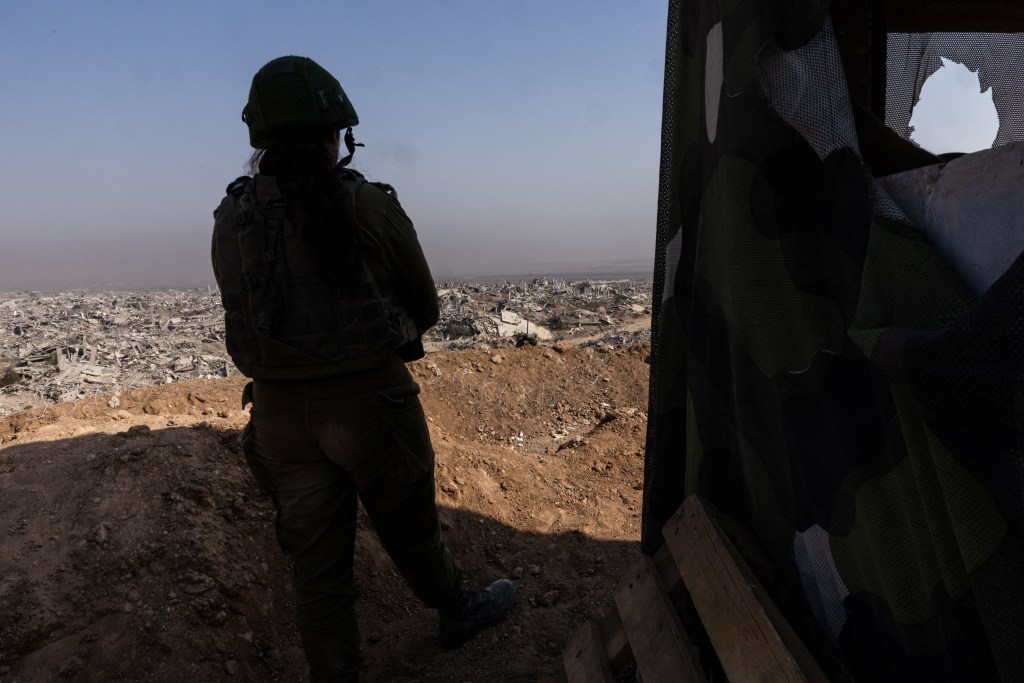
New York, January 26, 2026—As Israel’s Supreme Court considers petitions on Monday challenging the ban on foreign journalists entering Gaza, the Israeli government has simultaneously doubled down on restrictions against foreign media operating inside Israel. The Committee to Protect Journalists calls on the Israeli authorities to immediately allow foreign journalists to freely enter and report from Gaza safely, and to end all restrictions on foreign media broadcasters operating in Israel and the occupied Palestinian territory.
On January 26, the Israeli government approved a 90-day extension to the ban on Qatar-based Al Jazeera and Beirut-based Al Mayadeen, under a 2024 law allowing the communications minister and prime minister to shut down offices, block websites, seize equipment, or shut down foreign broadcasters deemed a “security threat.” In December 2025, the Knesset extended this so-called “Al Jazeera Law” for two more years.
The recent decision, promoted by Israeli Minister of National Security Itamar Ben Gvir, consolidates powers that can silence independent reporting and intimidate foreign media, expanding the Israeli police’s authority to impose media bans, censorship, and surveillance.
The extension comes on the same day the Israeli Supreme Court held a hearing on the Foreign Press Association’s challenge to the ban on foreign journalists in Gaza. During the hearing, the government attorney argued that allowing journalists to enter Gaza, even during the ceasefire and in areas where no IDF troops are present, poses a risk to the soldiers operating in the Strip. The government declined to provide a public explanation about those risks, and was granted a closed court session. CPJ and Reporters Without Borders presented oral arguments as amici curiae, emphasizing that a blanket ban fails the tests of necessity and proportionality under international law, and highlighted the risk-based zoning system used by Ukraine as an alternative approach.
The prolonged ban forces Palestinian journalists to carry the burden of frontline reporting under extreme conditions, leaving them exposed to violence, detention, hunger, and death. More than 250 journalists and media workers have been killed since October 7, 2023.
By restricting independent media inside Israel and barring entry into Gaza, the Israeli government limits transparency, blocks scrutiny of its actions, and undermines the public’s right to information. Israel’s actions risk setting a dangerous precedent for press freedom in conflict zones worldwide.
CPJ demands that the Israeli government immediately lift all restrictions on foreign broadcasters operating in Israel and the occupied Palestinian territory, and reaffirms the arguments set out in its Supreme Court amicus brief, which outlines why the ban is unlawful and inconsistent with international press freedom standards. The brief details how Israel has less restrictive means available to address security concerns, and why IDF-escorted press tours cannot substitute for free and independent access.
We also call on the international community to ensure Israel complies with its international legal obligations to protect freedom of expression and to ensure that all journalists — foreign and local — can report safely and independently without fear of reprisal.