


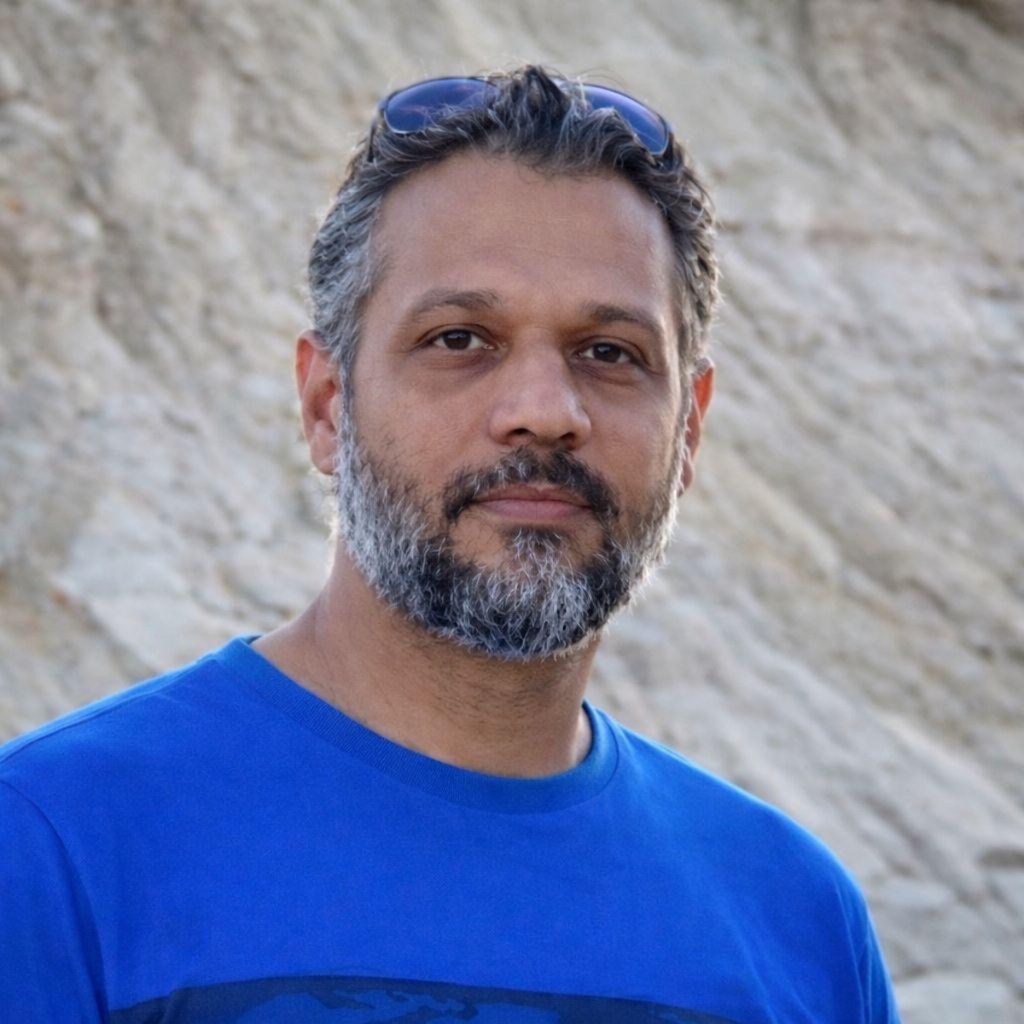
Paris, January 19, 2026—The Committee to Protect Journalists calls on Iranian authorities to immediately release freelance documentary photographer Navid Zarrehbin Irani, and to halt the systematic harassment and intimidation of journalists in Iran.
Irani was arrested on January 16, 2026, at his home in Mashhad, the capital of Khorasan Razavi province in northeastern Iran, according to two sources familiar with the case. Security forces reportedly raided his home and confiscated all of his personal and professional equipment, the sources told CPJ.
Irani’s family has received no information about his whereabouts or place of detention since his arrest, Niloofar Azimian, Irani’s sister-in-law who lives in the Netherlands, told CPJ.
Iran’s ongoing nationwide internet blackout, imposed on January 8, has further isolated detainees and restricted families from obtaining reliable information, intensifying the opacity surrounding Irani’s arrest.
Irani has been a documentary photographer for more than two decades and his work has been published in books and by various media outlets.
“Because of his Bahá’í faith, he has long been barred from publicly exhibiting his work in Iran,” Azimian told CPJ. “We guess he had been documenting recent protests and previously authorities had attempted to seize his studio,” she said.
After his arrest, his family deactivated his social media accounts to avoid further surveillance.
“Iran’s arrest of Navid Irani is part of a broader effort to silence independent reporting and suppress freedom of expression, said CPJ Regional Director Sara Qudah. “Authorities must immediately disclose his whereabouts, ensure his safety, and release him unconditionally.”
Human rights groups warn that Bahá’ís in Iran face systematic discrimination, including exclusion from certain professions and educational opportunities, placing them at heightened risk of persecution.
In a related incident, on January 19, Iran’s Press Supervisory Board suspended Tehran-based Ham-Mihan newspaper after it reported on protests and hospital raids which occurred during the prolonged internet shutdown and information blackout.
Hackers briefly disrupted Iranian state television’s satellite transmissions to air footage of exiled Crown Prince Reza Pahlavi on multiple state-owned channels, the Associated Press reported.
CPJ emailed the Iranian mission to the United Nations in New York for comment, but did not receive a response.
Editor’s note: This text has been updated to clarify that Irani’s family is unsure why he was arrested.