



New York, July 2, 2025—The dead have been buried and most journalists detained during Iran’s 12-day war with Israel have been freed, but the media are still reeling, as authorities crack down on critical voices and disrupt internet access.
The state news agency has announced a “season of traitor-killing,” with hundreds of people arrested and at least six executed since the war ended on June 25. Parliament approved a law on June 29 that mandates the death penalty for collaborating with Israel, the United States, or other “hostile” countries – a charge often used to describe media that report critically.
London-based Iran International TV spokesperson Adam Baillie said the new law would “widen the legal dragnet” against journalists and criminalizes contact with media outlets based abroad.
Journalists trying to report within Iran also face internet restrictions.
“We technically have internet, but access to the global web has been cut by half,” Hassan Abbasi, a journalist with Rokna news agency told CPJ from the capital Tehran on July 1, referring to reduced speeds and frequent disruptions.
Abbasi said internet access was selectively granted during the war. The communications ministry restricted access on June 13, the first day of the conflict, citing “special conditions.” Connectivity was largely restored after the ceasefire.
“Only large media outlets aligned with the government’s narrative were allowed to stay online,” Abbasi said. “Independent and local journalists like us couldn’t report – many agencies were effectively silenced, he said. “They wanted to cut off access to outside news and stop reports from inside.”
The June 29 law also banned the use or import of unauthorized internet communication tools like Elon Musk’s Starlink satellite internet service, punishable by up to two years in prison.
‘Journalists are not enemies of the state’
“The arrests, internet disruptions, and intimidation of journalists during and after the Iran-Israel war reflect a troubling continuation of Iran’s ongoing efforts to control the media,” said CPJ Regional Director Sara Qudah. “These acts of censorship undermine press freedom and create fear among those trying to report the truth. Journalists are not enemies of the state.”

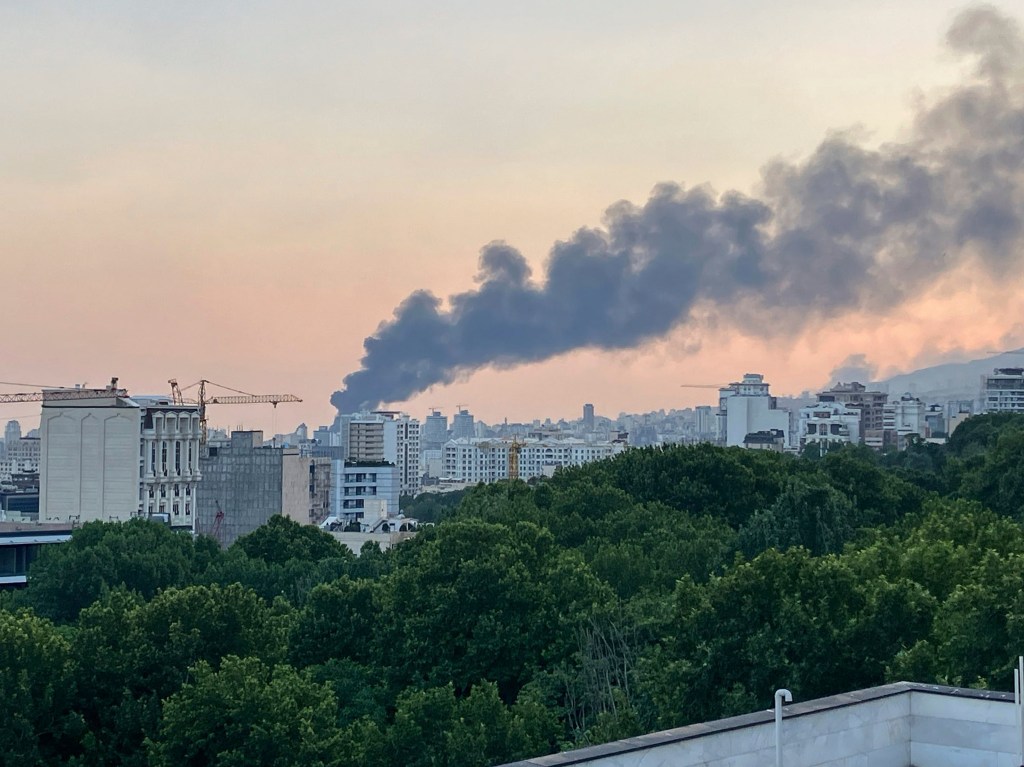
Since the war began, CPJ has documented the following incidents:
- On June 15, journalist Saleh Bayrami was killed by an Israel airstrike on Tehran.
- On June 16, journalist Nima Rajabpour and media worker Masoumeh Azimi were hit by an Israeli airstrike on state-owned broadcaster IRIB’s headquarters and died the following day.
- On June 16, Shargh journalist Ali Pakzad was detained while covering airstrike damage in Tehran and released two days later.
- On June 17, freelance photojournalist Majid Saeedi was arrested in Tehran while photographing the aftermath of an Israeli airstrike on IRIB’s headquarters. He told CPJ he climbed to a high point to capture images of smoke when police detained him and later transferred him to Evin prison.
“The next day, a judge reviewed my case in the prison courtyard, where officials brought over a chair for him to sit on,” Saeedi added. “He said that because I had a valid press ID and authorization, there was no issue, and he ordered my release.”
- On June 21, Iran International TV reported that the Iranian Revolutionary Guard Corps (IRGC) had detained the mother, father, and younger brother of one of its presenters to pressure her into resigning.
In a June 27 email to CPJ, spokesperson Baillie confirmed that the family members had been released but described the incident as “a profoundly worrying turning point in the type of action taken by the IRGC and security forces against the families of Iranian journalists abroad.”
- On June 21, photographer and designer Reza Daryakenari was arrested in a Tehran café. His Instagram account went offline after June 26. As of July 1, he remained in detention on unknown charges.
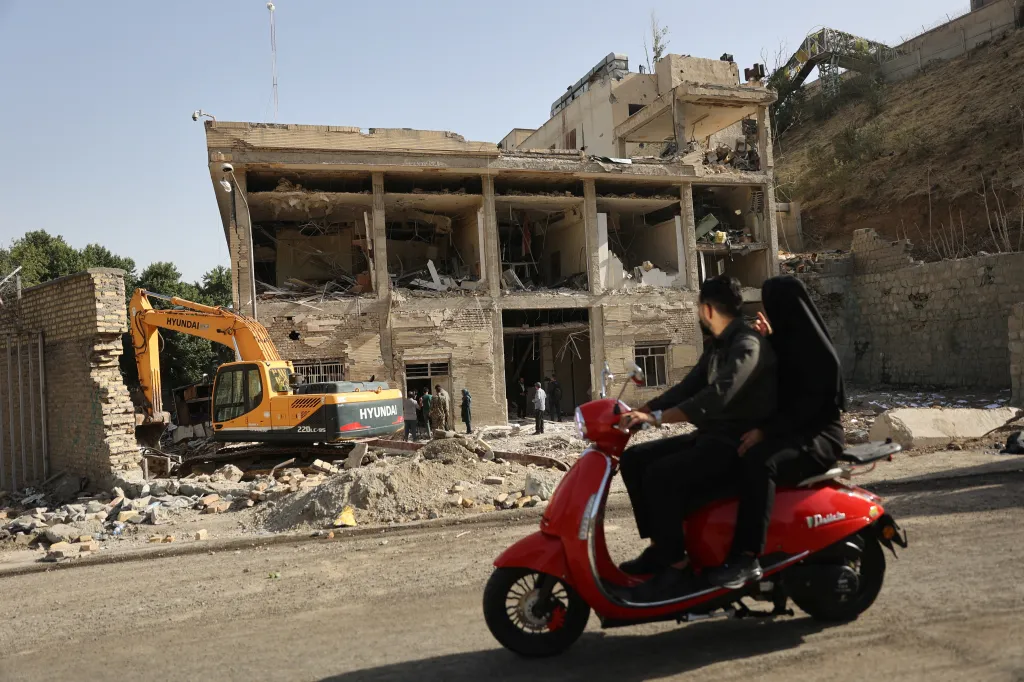
- On June 23, Israeli forces bombed Evin prison, which houses at least six journalists, including Iranian-American Reza Valizadeh. Authorities reported 71 deaths, including prisoners, but did not release names. One person with knowledge of Evin prison told CPJ that all the detained journalists were safe and had been transferred to other prisons.
- On June 24, the online outlet Entekhab News was blocked for “disruptive wartime reporting.” The judiciary said the outlet was undermining public security through its critical coverage. On June 30, it was unblocked.
CPJ’s emails requesting comment from Iran’s foreign affairs and information ministries did not receive any replies.