


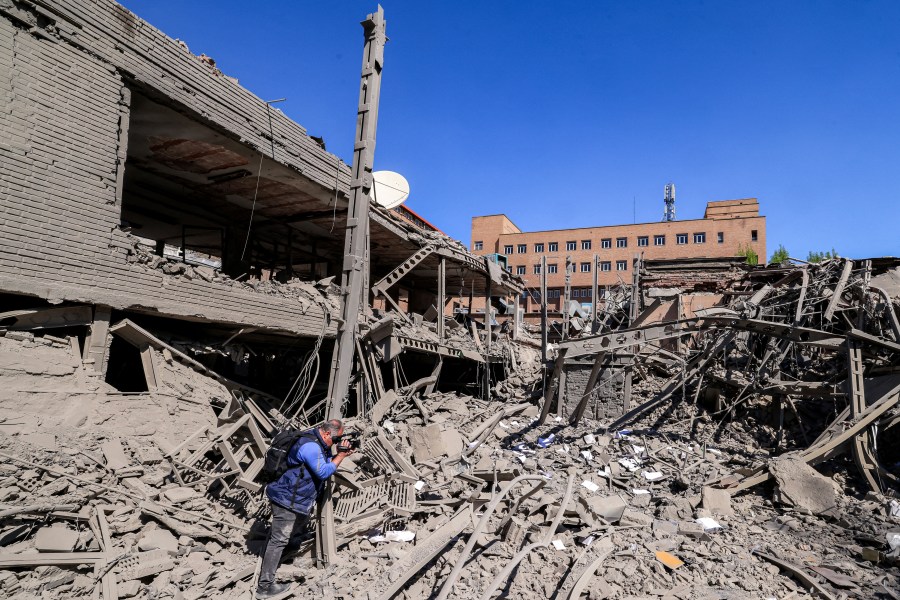
Arrest, prosecution, and censorship have long shaped the media landscape in Iran. Currently, nine journalists are known to be imprisoned for doing their job, including Iranian-American journalist Reza Valizadeh, who was detained in September 2024 and is currently serving 10 years in prison. But members of the press interviewed in August by the Committee to Protect Journalists say this year’s war with Israel and the United States has solidified these repressive measures.
The impact became clear when CPJ reached out to dozens of journalists to map the current reality inside Iran. Only five agreed to be interviewed. Many declined, others stopped responding after initial conversations, and several said they feared speaking — even anonymously — because they believed doing so could expose them to retaliation.
During a near-total internet blackout that lasted 88 days, connectivity plummeted to about 1%, leaving journalists unable to report on the surging violence in their country. But rather than describing an entirely new reality, journalists said the conflict exacerbated existing patterns of judicial harassment, surveillance, and self-censorship.
What some expected to be temporary wartime policies have instead endured after the large-scale fighting of the nearly six-month war eased months ago, trapping local journalists in a prolonged struggle and shaping their daily reporting.
Mounting legal risks
One veteran journalist in Tehran paused momentarily when CPJ asked him to describe the current state of affairs. “If I talk to you about what journalists face in Iran, I’ll become an example myself.”
“They will summon me, open another case against me, and ask why I spoke to a foreign organization,” said the journalist, requesting anonymity to speak freely.
In a country where CPJ has documented at least seven journalists facing arrest, detention or summons since the outbreak of war on February, 28, 2026, their self-censorship and calculated caution have become tools of navigating the conflict.
In July, Iran’s Intelligence Ministry published a list of “hostile” media outlets — including BBC Persian and Voice of America — and journalists, warning that providing them with information or interviews could lead to prosecution under the country’s espionage law.
In August, the Iranian government made a sweeping new legislative push when lawmakers approved the framework of a bill targeting “foreign influence.” The proposed law bans interviews with hostile media groups and mandates government clearance for some interactions with foreign journalists.
Earlier this month, Tehran’s Revolutionary Court sentenced veteran Iranian photojournalist Yalda Moaiery to 15 years in prison for giving interviews to media outlets deemed hostile by authorities and providing photographs to U.S.-linked organizations, charges she denies and is appealing.
Restricted movement and information blackout
Since war broke out, ordinary press credentials did not guarantee access to strike sites.
While, according to reports, Iranian authorities invited the press on coordinated media visits to homes and other civilian sites like schools and hospitals hit by strikes, journalists and photographers often reported facing restrictions on freely entering or documenting damaged areas.
Judicial authorities warned that photographing or distributing images of missiles impact areas could lead to prosecution. Some reporting and photography also required prior coordination with relevant security or police authorities.

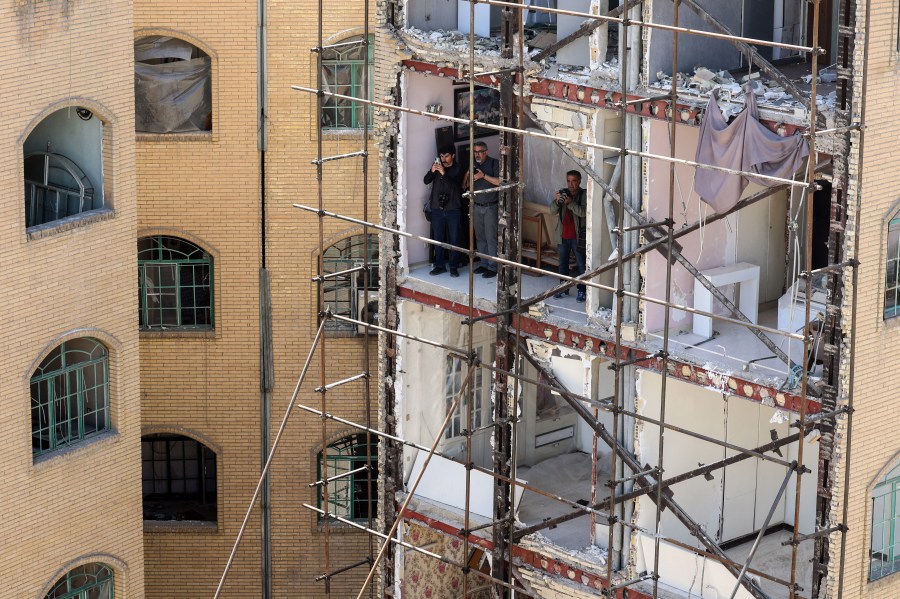
For journalist Hadi Kasaeizadeh, these pressures became personal when Israeli missiles struck near his home in Shahr-e-Ray, south of Tehran.
“My press card and even my official publishing license meant nothing. I wasn’t allowed to photograph or report what I was seeing,” said Kasaeizadeh, editor-in-chief of arts and culture magazine Meydan-e Azadi.
While some temporary wartime press restrictions are often justifiable, Iran’s heavy handed approach has been known to exceed legitimate national security needs.
A journalist for two decades, Kasaeizadeh has exposed state corruption through the Telegram channel he ran with colleague Majid Motalebzadeh called, “Journalists Against Corruption.” He told CPJ that authorities have opened numerous judicial cases against him, summoning and interrogating him for his reporting.
Despite the ease in strikes on Iran in recent months, access to areas affected by the conflict remains heavily restricted.
Access to the internet was also cut off. “When the global internet was cut, we didn’t even have Google,” he said. “The main source of news became Iran International and BBC Persian, even though they weren’t inside Iran. We were inside the country but couldn’t report our own reality.”
During the conflict, the severe blackout cut access to international databases, shipping trackers and crucial official data. The journalists said routine reporting was near impossible.
“If we received information by telephone, we often had no way to verify it with photographs, videos or documents,” said Maryam Shokrani, an economic journalist at Shargh newspaper.
Despite the easing of the internet blackout in late May, Shokrani said slow internet speed, forced VPN usage, blocked video calls and heavy online surveillance are still the order of the day.
Silent sources and self-censorship
For journalist Reza Asadabadi, who covers the labor market and economy, the most profound shift has been what he describes as a total erosion of trust.
“Many of my sources, including officials and ordinary people, are afraid to speak in the current security climate,” he said. “Even when we promise that their names will not be published, and that they will only be talking about unemployment, the economy, or other non-political issues, they still refuse to speak.”
Several journalists said the contacts who once introduced reporters to knowledgeable sources before the war have become increasingly reluctant to do so. Witnesses, they say, hesitate to share photographs, experts increasingly decline interviews and officials often refuse to speak on the record.
“We sometimes check a single story with seven or eight different people because official sources won’t speak openly,” said Asadabadi.
Shokrani agrees. For her, today’s biggest challenge is not so much finding the courage to report, but finding sources who are willing to talk.
“Professional reporting was pushed into the shadows,” she said.

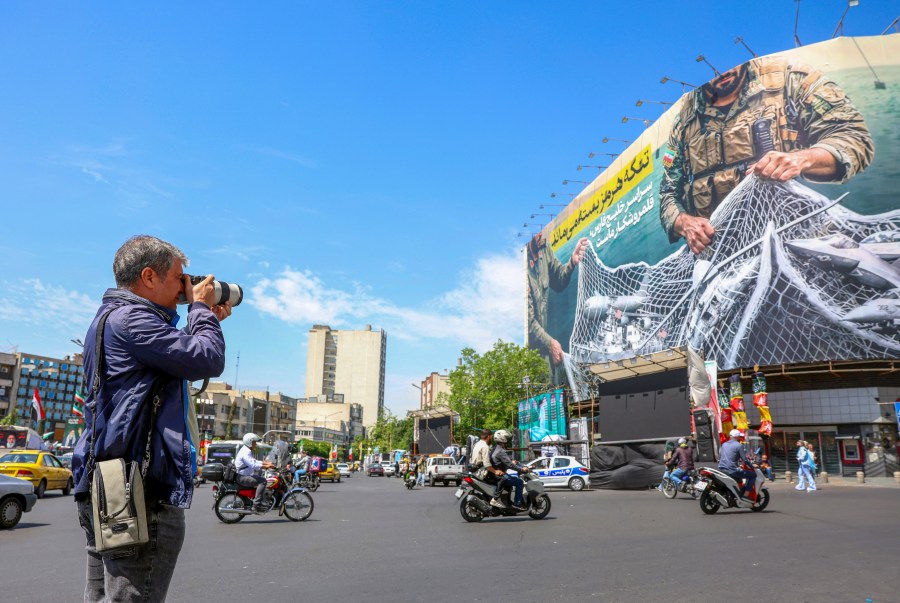
She also pointed to growing newsroom caution, and a rising fear that reporting on certain matters could later be interpreted as an offense to national security.
“The risk of writing became much higher,” she said.
Despite never having been summoned, one political reporter at a leading Tehran daily said the fear of prosecution changed the way he works, including avoiding sensitive topics and cutting contact with sources abroad.
“I constantly feel that possibility [of being summoned] hanging over me,” said the journalist, who requested anonymity for fear of reprisal.
According to him, behind closed doors, his editors are routinely taking orders from security officials on how to cover sensitive subjects, and journalists are exceptionally cautious about whether to contact a source at all, with Signal and Telegram being their preferred means of communication due to their advanced encryption.
“I now try to use more secure ways of communicating. Before this, I was much less cautious — the fear itself changes how you work.”
Financial pressures
At the same time, the already-dire financial pressures weakening independent journalism in Iran have been compounded by the war, according to journalists.
“The financial pressure on journalists today is, in many ways, more exhausting than the security pressure,” explained labor and economic journalist Asadabadi.
Many news organizations struggle to pay salaries on time, forcing journalists to work multiple jobs while financially strained media outlets become increasingly dependent on state support or commercial interests.
Many news organizations struggle to pay salaries on time, forcing journalists to work multiple jobs, while financially strained outlets are also cutting staff. In April, Shargh reported that more than 100 journalists and administrative employees had been laid off from one of Iran’s largest private media outlets, and around 50 journalists at prominent economic and financial newspaper Donya-e Eqtesad, as other outlets closed or failed to pay salaries and bonuses.
According to Kasaeizadeh, wartime office raids and confiscated equipment forced him to stop publishing his magazine. He said he was forced to sell his motorcycle and later his car to pay household expenses and his children’s university tuition. “I had no other choice,” he said.
Despite the growing restrictions, none of the journalists interviewed by CPJ said they intended to stop reporting.
“We cannot lose journalism,” said Shokrani. “If we lose it, rebuilding it for society may become impossible. We have a responsibility to preserve it, even in its most limited form.”
Kasaeizadeh, who has paid an immense cost for his reporting, said the pressure has never changed his commitment to journalism.
“They tell me: don’t criticize, don’t fight corruption, mind your own business,” he said. “But this is my job.”