
Cubans exiled in Spain: Integration or disintegration?
Desperate realities call for hope. It is not just a game of words, because you don’t play with hunger and the future (my own and my family’s). It is about going deeper into another version of circumstances. And seeing the rainbow where others see a gloomy sun and a stubborn and relentless rain.I am writing…
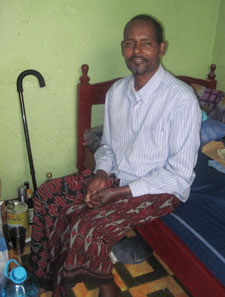
Exiled Somali journalist Hassan Mohamed dies in Nairobi
Veteran Somali radio journalist Hassan Mohamed, 45, died early yesterday morning in Eastleigh, a Nairobi suburb. He had fled Mogadishu in 2010, having been threatened, kidnapped, and shot twice. One of hundreds of Somali refugees in Kenya, many of them journalists, Hassan struggled to support himself and survive worsening diabetes-related ailments, despite relentless support from…
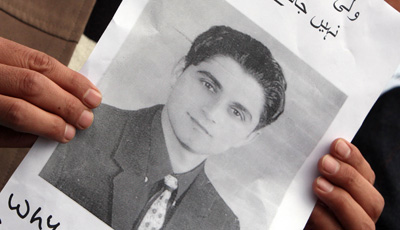
Attacks on the Press in 2011: Iran’s Vast Diaspora
Journalists who have fled Iran to avoid prison face a tense and lengthy process toward resettlement, an uncertain financial and professional future, and most of all, fear that the Iranian government will catch up with them. By María Salazar-Ferro and Sheryl A. Mendez >> فارسي
In Nairobi, plans to improve aid to exiled journalists
Kassahun Yilma left Ethiopia quickly in December 2009. He didn’t have time to save money for the journey, choose a place to go, arrange housing or a job. He left his wife, his mother, his house and all his friends behind. Yilma didn’t know what lay ahead. He only knew that if he stayed, he…
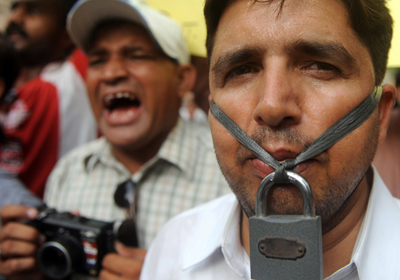
A killing field: The targeting of journalists in Pakistan
For the past several weeks, CPJ’s Asia and Journalist Assistance programs have been in regular contact with local and international organizations who are concerned about the rising number of journalists and media workers at risk in Pakistan. CPJ and several other groups are working together on viable, in-country solutions: Journalists in Pakistan are in need…

Left for dead in Haiti: How CPJ helped one journalist
Ten years ago I joined the staff of the Committee to Protect Journalists to launch the Journalist Assistance program, an initiative, as CPJ board member Gene Roberts describes, developed to establish a standing direct response mechanism for journalists facing threats and attacks. When I left the position in 2009, many people asked me what case…
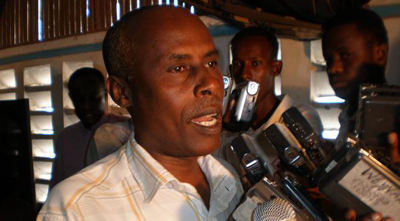
Evacuating Somali reporters who face unrelenting violence
Somalia was among the world’s deadliest countries for journalists in 2009, the year I began working with CPJ’s Journalist Assistance program. On June 7, two gunmen shot Mukhtar Mohamed Hirabe and Ahmed Omar Hashi, the director and news editor of the country’s leading independent station, Radio Shabelle. Hirabe died at the scene. Hashi barely survived…

A global partnership to assist journalists in distress
One of the most rewarding parts of my job at Canadian Journalists for Free Expression (CJFE) for the last eight years has been my work on our Journalists in Distress program. Through this program I have had quick glimpses into the lives of hundreds of courageous journalists from countries all over the world. Most of…
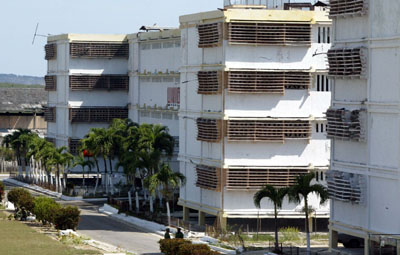
Assisting journalists in Cuba: Hurdles in prison and beyond
In mid-2006, CPJ’s Journalist Assistance program began sending regular remittances to the families of independent Cuban journalists in prison. By CPJ’s count, of the 29 journalists jailed during a massive crackdown in 2003, 24 were still in prison at the time–making Cuba the world’s second-worst jailer of journalists in the world. The remittances, sent monthly,…