


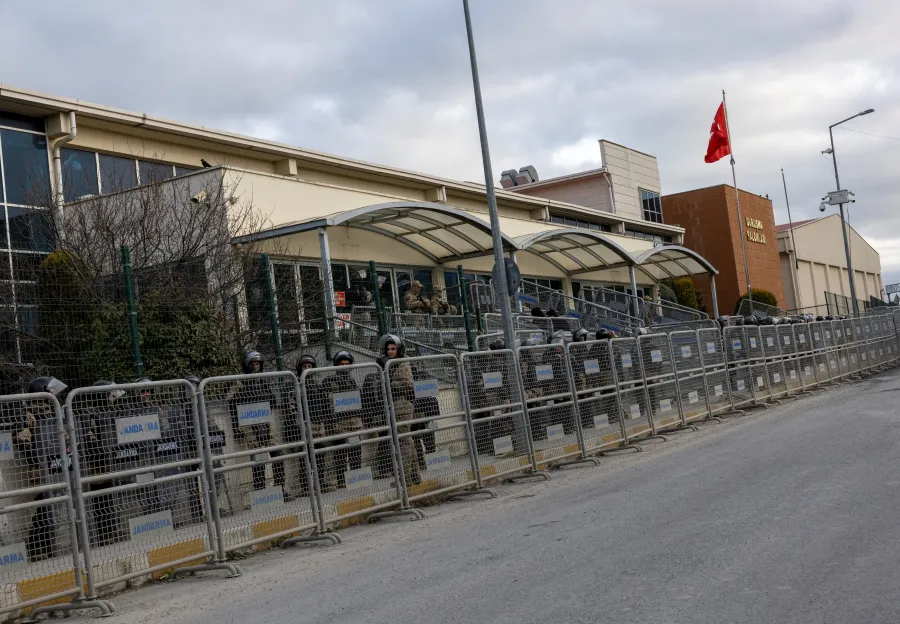
Istanbul, September 15, 2026—Turkish authorities must release arrested journalist Selahattin Günday without delay and stop abusing the country’s laws to harass journalists and prevent them from doing their jobs, the Committee to Protect Journalists said Tuesday.
Günday, a former broadcast reporter for the now closed Doğan News Agency (DHA), was taken into custody by Istanbul police on September 10 as part of a newly reopened investigation into the death of Turkish intelligence operative Kaşif Kozinoğlu in 2011.
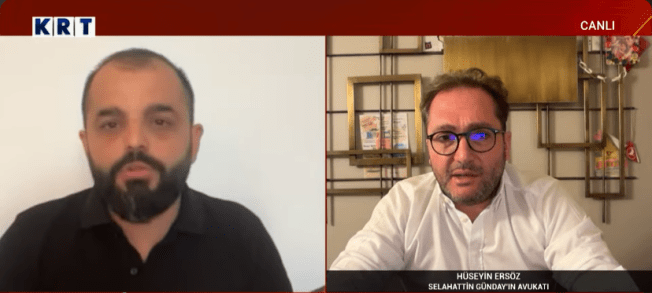
On September 12, Günday was arrested on suspicion of exposing an intelligence operative and illegally obtaining personal data while reporting on Kozinoğlu in 2011, his lawyer Hüseyin Ersöz told local media.

Camera operator İdris Tiftikçi, who worked with Günday at DHA, was also taken into custody on September10 but he was released pending trial under judicial control.
“The arrest of journalist Selahattin Günday defies logic: how could he be involved in any way in the death of Kaşif Kozinoğlu, a jailed man he never met?” said Özgür Öğret, CPJ’s Turkey representative. “The authorities must release Günday immediately and stop harassing the press.”
Kozinoğlu, who worked for the National Intelligence Agency ((MİT), was arrested in March 2011 and died in prison in November that same year, just days before he was due to testify in the Ergenekon trials, a series of court cases against individuals, including journalists, accused by the authorities of plotting to overthrow the government in a military coup.
According to reports in local media, the accusations against Günday and Tiftikçi relate to their coverage of Kozinoğlu’s appearance at a court in Istanbul after his arrest, with authorities claiming they were the first to broadcast the news in violation of a law relating to publishing information about MİT or its officers.
Ersöz said on social media on September 15 that he had objected to the arrest warrant and expected a decision on this objection to be made within days.
He previously said the arrest was made under Article 27 of the MİT law, which was altered in 2014 to ban exposing the identities of intelligence operatives, and that in any case the statute of limitations had already passed for the alleged offences.
“An arrest warrant was issued for an act that was not a crime at the time but, in any case, had ‘lapsed under the 15-year statute of limitations,’” Ersöz wrote on X.
CPJ emailed the Chief Prosecutor’s Office of Istanbul for comment but did not receive a reply.