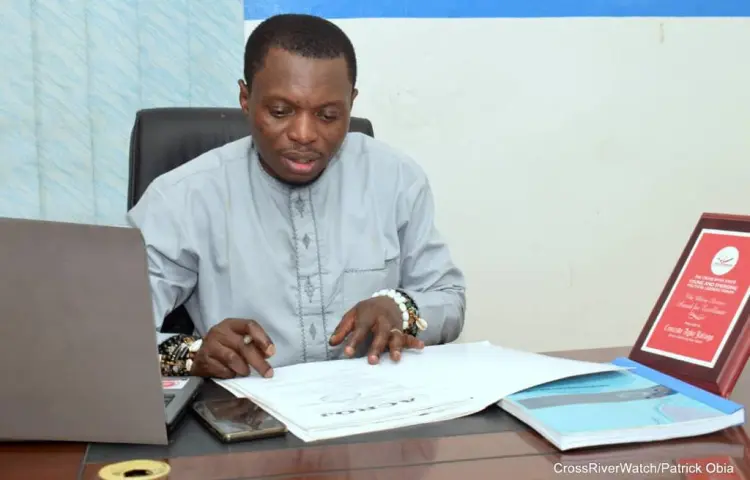
Nigerian journalist Agba Jalingo charged with cybercrime over report on governor’s relative
Abuja, January 26, 2023 – Authorities in Nigeria should swiftly drop the cybercrime charges against journalist Agba Jalingo, cease harassing him for his work, and reform the country’s laws to ensure journalism is not criminalized, the Committee to Protect Journalists said Thursday. On December 8, 2022, authorities in the southern Nigerian state of Cross River…
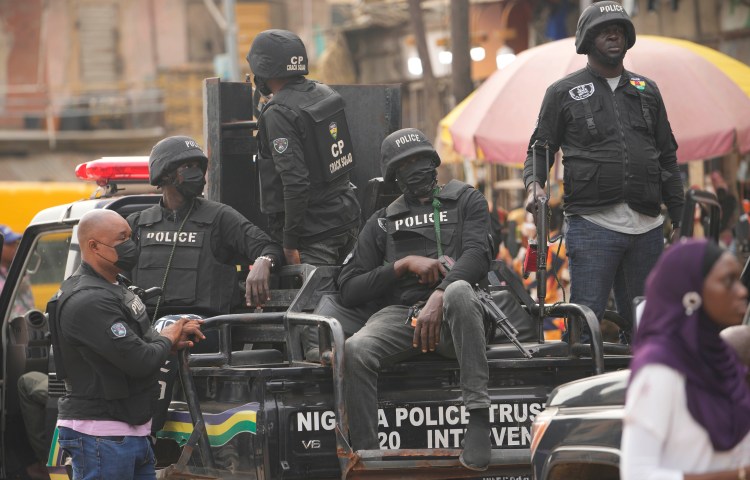
Nigerian journalist Ayodeji Adebayo detained for 6 days over report about local politician
On September 29, 2022, two police officers arrested journalist Ayodeji Adebayo at the office of the privately owned newspaper The Nation in Wuse, a commercial hub in Nigeria’s capital Abuja, according to Adebayo, who spoke to CPJ by phone, and a report by privately owned Sahara Reporters news website. Adebayo is the publisher of the…