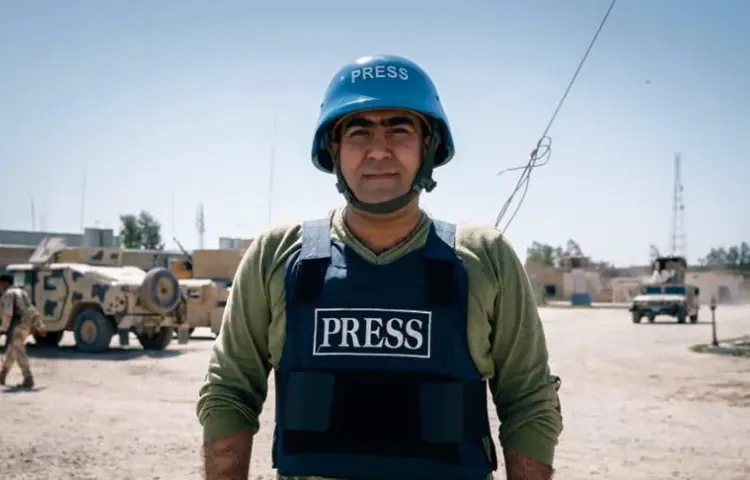
Syrian Kurdish security forces detain fixer Kamiran Sadoun overnight in Raqqa
On June 16, 2021, officers with the Syrian Democratic Forces’ General Security agency detained Kamiran Sadoun, a fixer for international journalists, for several hours in a jail in the city of Raqqa, according to the journalist, who spoke to CPJ via messaging app, and a statement by the local press freedom group the Syrian Kurdish…
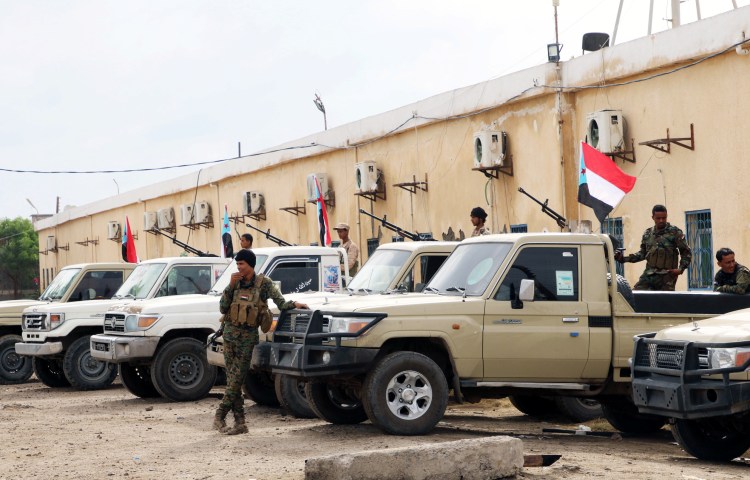
Journalist Adel al-Hasani held by Yemen’s Southern Transitional Council since September
New York, February 8, 2021 – Yemen’s breakaway Southern Transitional Council should release journalist Adel al-Hasani immediately and stop arbitrarily detaining and harassing members of the press, the Committee to Protect Journalists said today. On September 17, 2020, at a checkpoint between the southern cities of Aden and Abyan, security forces with the Southern Transitional…
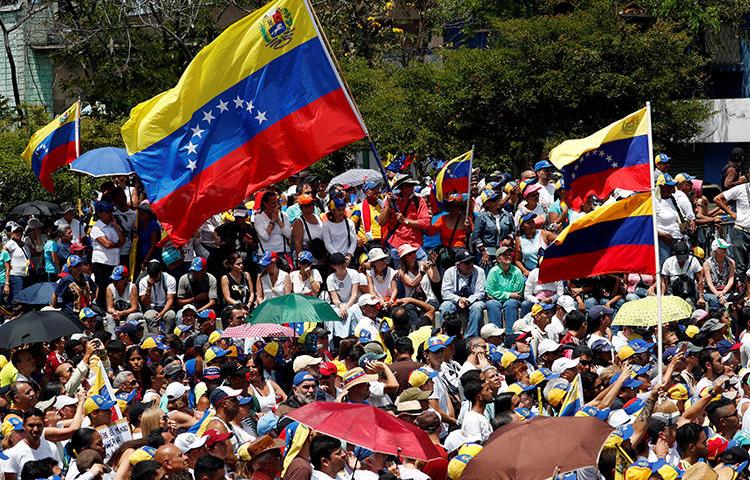
Venezuelan counterintelligence agents detain U.S. freelancer, Venezuelan fixer
Miami, March 6, 2019–Venezuelan authorities should immediately release a U.S. freelance journalist and a Venezuelan fixer who were detained after counterintelligence agents raided their homes this morning in Caracas, the Committee to Protect Journalists said today.
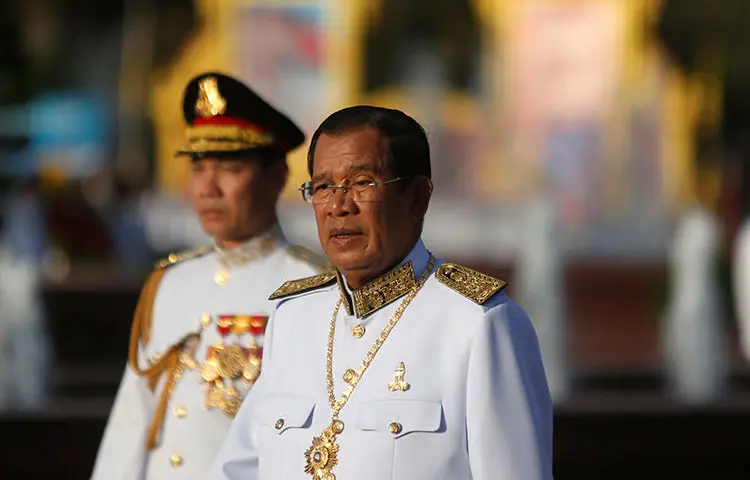
News fixer deported from Thailand to Cambodia on ‘false news’ accusation
Bangkok, December 13, 2018–A Cambodian news fixer who helped to produce a documentary on sex trafficking for Russian government-funded international news network Russia Today, or RT, was deported yesterday from Thailand to Cambodia on accusations of abetting the production of false news, according to news reports.
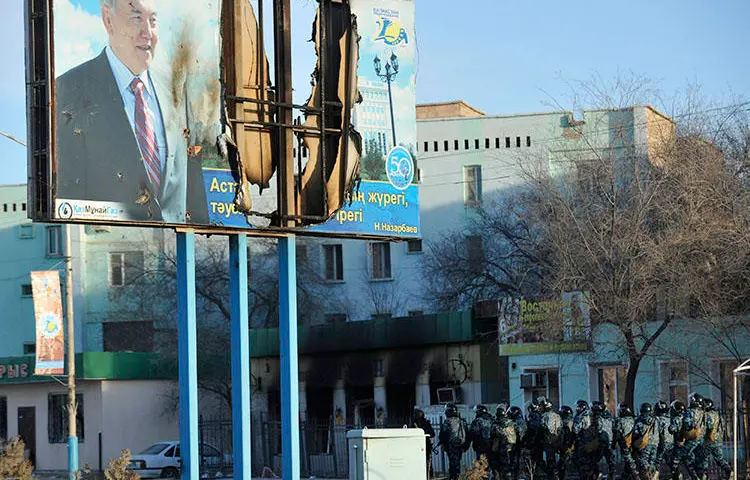
Kazakhstan detains French journalist and bans him from filming
New York, September 27, 2018–Kazakh authorities should allow French journalist Vincent Prado and his local fixer Danara Ismetova to work without obstruction, the Committee to Protect Journalists said. Prado and Ismetova were briefly detained by police this morning, before a judge fined Prado and banned the journalist from filming in the Manghystau region of Kazakhstan,…
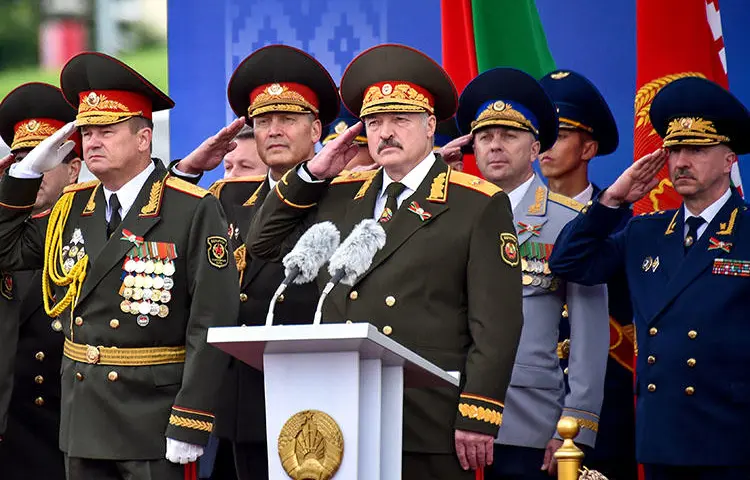
Belarusian journalist to go on trial
Kiev, July 6, 2018–Belarusian authorities should immediately release journalist Dzmitry Halko and drop all the charges against him, the Committee to Protect Journalists said today. Halko, also known as Dmitry Galko, is scheduled to be tried by a Minsk court on July 10 on charges of assaulting a police officer at his Minsk apartment last…
Don’t Forget Rasool: In international reporting, local journalists often suffer
When two journalists from VICE, Jake Hanrahan and Philip Pendlebury, were arrested with Iraqi journalist Mohammed Ismael Rasool on August 28, a familiar scenario unfolded. A week later, Hanrahan and Pendlebury were released following a media flurry and worldwide attention. Still behind bars is Rasool, an experienced journalist and translator who had worked extensively in…
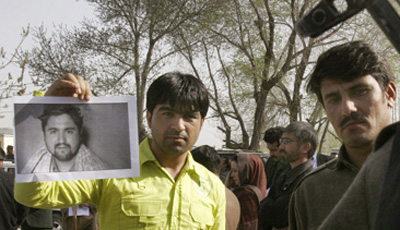
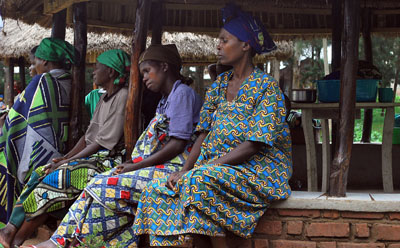
Honoring local journalists on World Press Freedom Day
Today, May 3, is World Press Freedom Day. But on this day, this year, I am not thinking about the dangers for the many journalists whose bylines I’ve come to associate with places like Mogadishu or Manila, Kabul or Islamabad. It’s not because I don’t have immense respect for them and for the risks they…
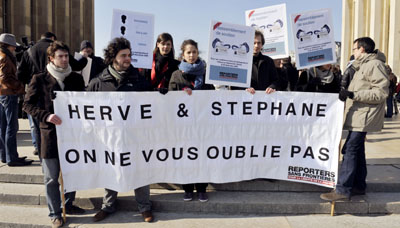
Rallying (hesitantly) for reporters abducted in Afghanistan
What can we do to help liberate our colleagues? French journalists have been struggling with this dilemma since December 30, when two reporters of the public service TV channel France 3 and their three Afghan fixers were abducted by a group purportedly linked to the Taliban in the region of Kapisa, in eastern Afghanistan.