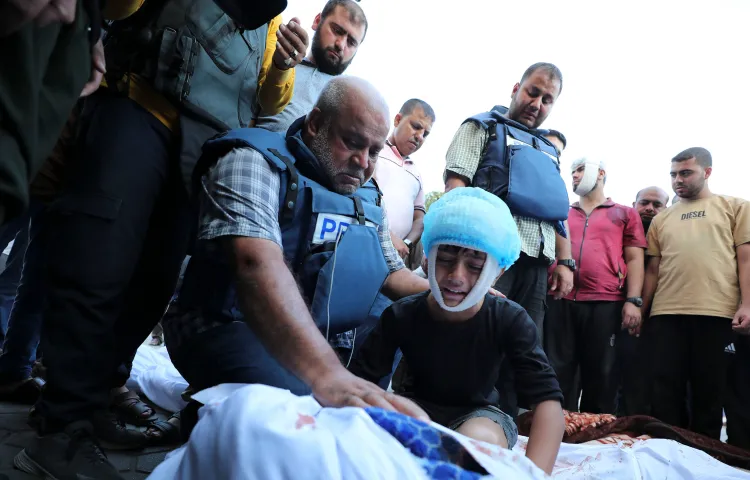
Attacks, arrests, threats, censorship: The high risks of reporting the Israel-Gaza war
Since the Israel-Gaza war began on October 7, journalists and media across the region have faced a hostile environment that has made reporting on the war exceptionally challenging. In addition to documenting the growing tally of journalists killed and injured, CPJ’s research has found multiple kinds of incidents of journalists being targeted while carrying out…
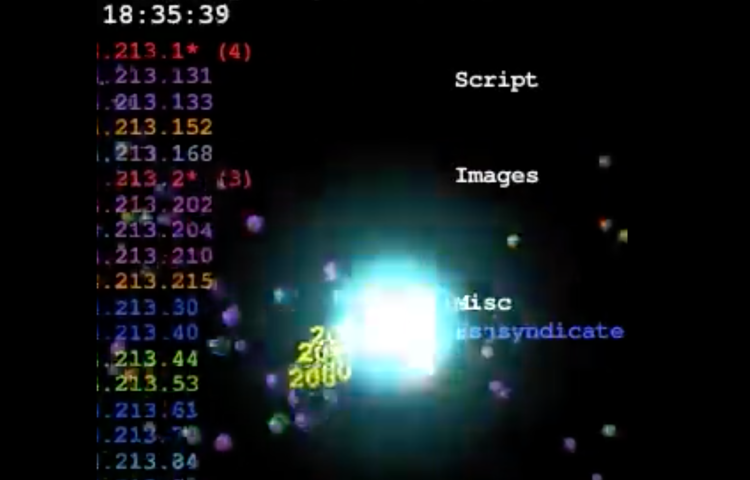
‘Network abuse’: Attacks on 3 media sites involved services of US, UK firms
Cyberattackers used services of technology companies based in the U.S. and U.K. to target media sites from Somalia, Kosovo, and Turkmenistan, Qurium, a nonprofit hosting the sites, said Tuesday. Earlier this month, CPJ reported on how cyberattackers used a Nebraska company, RayoByte, in attempts to knock those same media sites offline, as well as at…
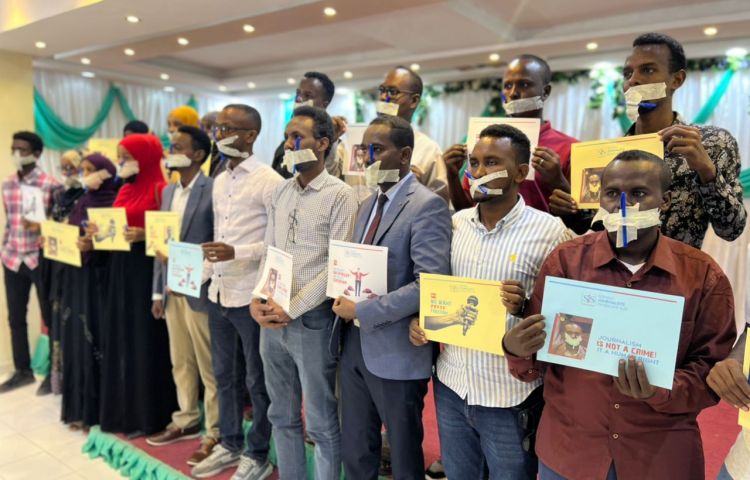
Cyberattackers used US company RayoByte in efforts to crash media sites
The cyberattack against the Somali Journalists Syndicate could not have come at a worse time. A distributed denial-of-service attack, known by its acronym DDoS, flooded the local press freedom group’s website with traffic in early August and knocked it offline. Days later, authorities arrested SJS staff member and Kaab TV editor Mohamed Ibrahim Osman Bulbul…
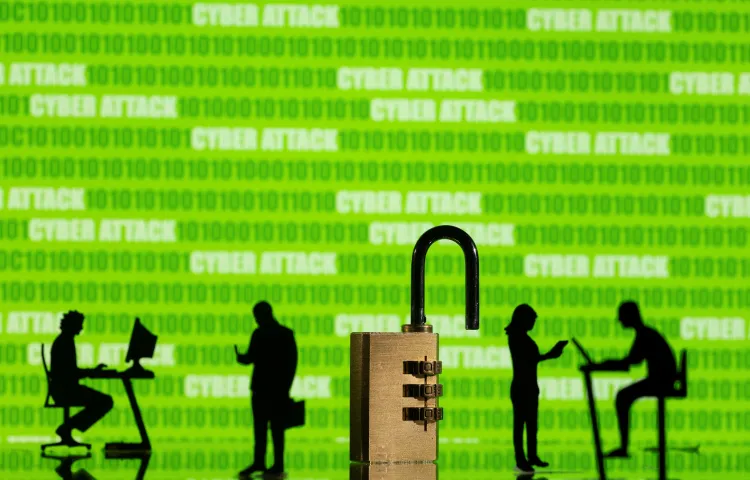
CPJ strongly condemns cyberattack on Konde.co in Indonesia
Bangkok, November 1, 2022—Authorities in Indonesia must launch an independent investigation into a cyberattack on the Konde.co news website and identify the perpetrators, the Committee to Protect Journalists said Tuesday. On October 24, Konde.co was hit by a distributed denial-of-service (DDoS) attack that temporarily brought down the independent local news website, according to news reports and the…

Nigerian journalist Agba Jalingo detained over defamation, cyberattack complaint
Abuja, August 25, 2022–Nigerian authorities should drop all investigations into publisher Agba Jalingo, compensate him for his previous unlawful detention, and stop harassing the journalist, the Committee to Protect Journalist said Thursday. On August 19, a group of about 15 police officers arrested Jalingo, publisher of the privately owned news website CrossRiverWatch, at his home…
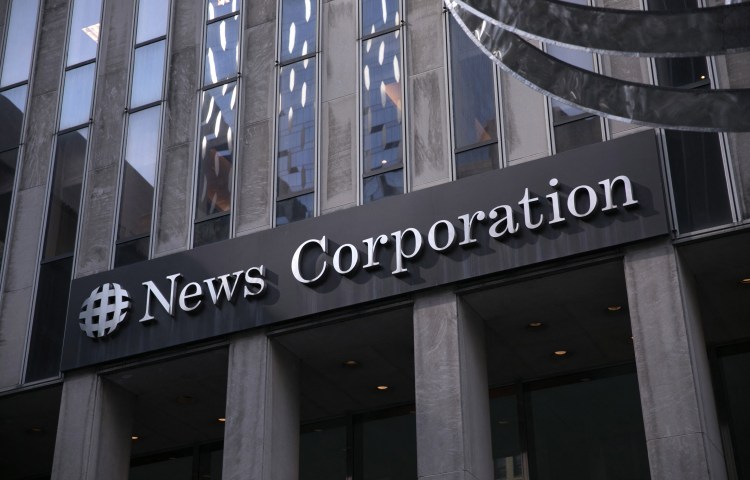
CPJ condemns cyberattack on News Corp media publications
Washington, D.C., February 7, 2022—The Committee to Protect Journalists on Monday expressed grave concern about the cyberattack on News Corp that gave hackers access to journalists’ emails and other documents, and urged Chinese authorities to conduct a thorough investigation into who was behind the attack. The Wall Street Journal reported on Friday that the attack…
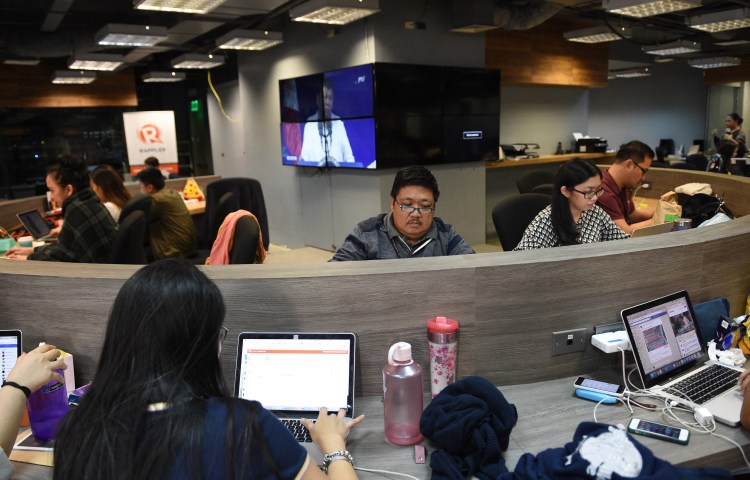
Three Philippine media outlets face latest in a string of cyberattacks
Three Philippine news websites, ABS-CBN News, Rappler, and Vera Files, publicized separate distributed denial-of-service (DDoS) attacks between December 11 and 23, 2021. The attacks flood websites with requests to prevent them from functioning, and the sites were periodically forced offline by huge spikes in traffic coinciding with political news coverage. All three sites have been…
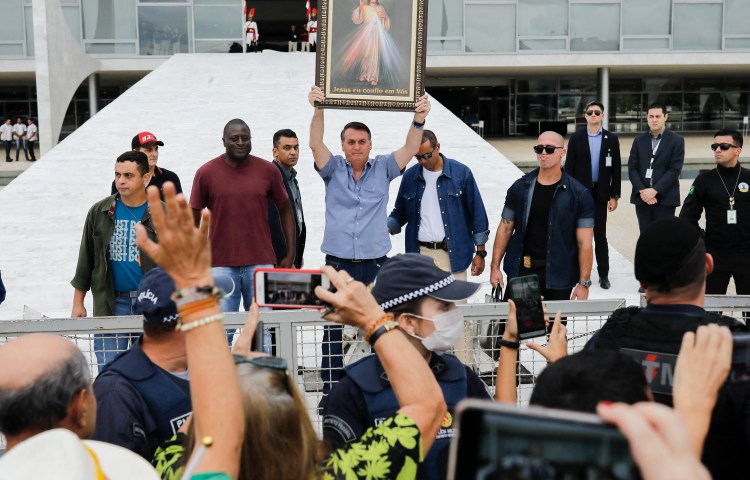
Brazilian media outlet that covers women’s rights targeted with DDoS attack
Between March 26 and April 2, 2021, unidentified internet users orchestrated distributed denial-of-service (DDoS) attacks on Portal Catarinas, an online media outlet specializing in gender, feminism, and human rights, according to Paula Guimarães, the portal’s executive director and a report by the Brazilian Association of Investigative Journalism (ABRAJI). The attacks flooded the site with traffic…

New York Times journalist Nicole Perlroth on the secret trade in tools used to hack the press
The last time New York Times cybersecurity journalist Nicole Perlroth spoke with Emirati activist Ahmed Mansoor in 2016, his passport had been taken and he had recently been beaten almost to the point of death. “We learned later on that our phone conversation had been tapped, that someone was in his baby monitor, that his…

Investigative outlet Repórter Brasil targeted with cyberattacks, threats, attempted break-in
Rio de Janeiro, January 13, 2021 — Brazilian authorities must swiftly and thoroughly investigate threats to Repórter Brasil, and hold the perpetrators to account, the Committee to Protect Journalists said today. From January 6 to 12, unidentified internet users orchestrated a distributed denial-of-service (DDoS) attack on the website of Repórter Brasil, an investigative reporting and…