
Special report: When spyware turns phones into weapons
How zero-click surveillance threatens reporters, sources, and global press freedom By Fred Guterl Published October 13, 2022 Aida Alami has always been wary of surveillance. As a journalist from Morocco, a state with a track record of intercepting phone calls and messages of political rivals, activists, and journalists, she habitually took precautions to protect her…
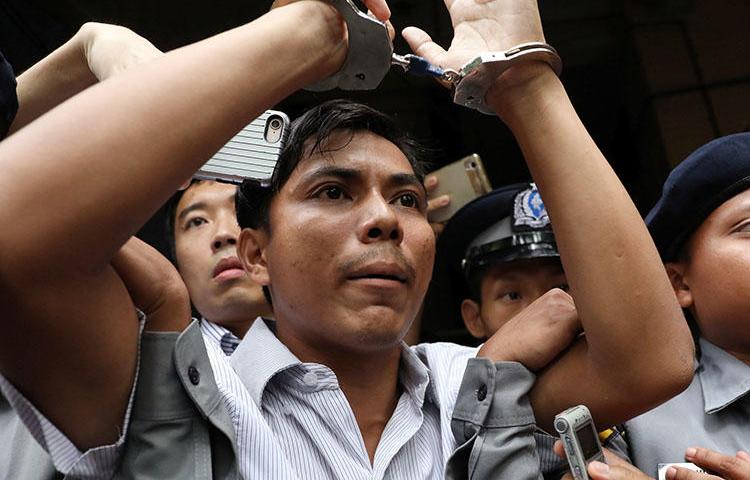
Hundreds of journalists jailed globally becomes the new normal
For the third year in a row, 251 or more journalists are jailed around the world, suggesting the authoritarian approach to critical news coverage is more than a temporary spike. China, Egypt, and Saudi Arabia imprisoned more journalists than last year, and Turkey remained the world’s worst jailer. A CPJ special report by Elana Beiser
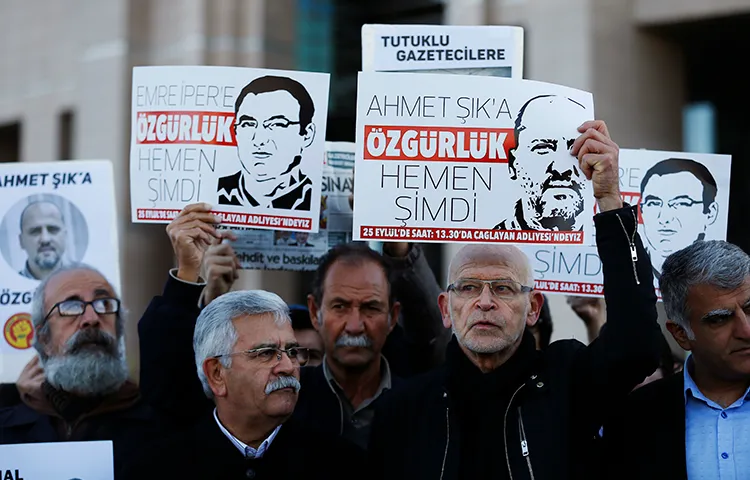
Record number of journalists jailed as Turkey, China, Egypt pay scant price for repression
For the second year in a row, the number of journalists imprisoned for their work hit a historical high, as the U.S. and other Western powers failed to pressure the world’s worst jailers–Turkey, China, and Egypt–into improving the bleak climate for press freedom. A CPJ special report by Elana Beiser
China, Egypt imprison record numbers of journalists
Egypt is second only to China as the world’s worst jailer of journalists in 2015. Worldwide, the number of journalists behind bars for their work declined moderately during the year, but a handful of countries continue to use systematic imprisonment to silence criticism. A CPJ special report by Elana Beiser
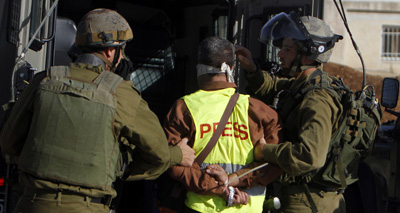
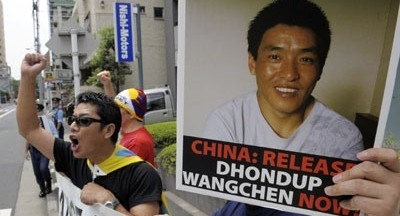
CPJ’s 2009 prison census: Freelance journalists under fire
New York, December 8, 2009—Freelancers now make up nearly 45 percent of all journalists jailed worldwide, a dramatic recent increase that reflects the evolution of the global news business, the Committee to Protect Journalists said today. In its annual census of imprisoned journalists, CPJ found a total of 136 reporters, editors, and photojournalists behind bars…

Audio Report: Middle East Bloggers
In our special report “Middle East Bloggers: The Street Leads Online,” CPJ’s Mohamed Abdel Dayem says blogging has become a crucial front in the region’s struggle for freedom of expression. Here, Abdel Dayem describes how two regional trends–booming Internet audiences and repression of traditional media–have made blogging a vibrant news alternative. Listen to the mp3…
The Moroccan Facade
Ahmed Reda Benchemsi, the 33-year-old publisher of the independent Moroccan weekly TelQuel, sensed someone was trying to send him a message. In a matter of months, two judges had ordered him to pay extraordinarily high damages in a pair of otherwise unremarkable defamation lawsuits.